

A Look Inside Shenqi's Factory: Quality Control in Skid Module Manufacturing
2025-12-20 11:45A Look Inside Shenqi's Factory: Quality Control in Skid Module Manufacturing
1. Laying the Foundation: Incoming Material Verification and Digital Traceability
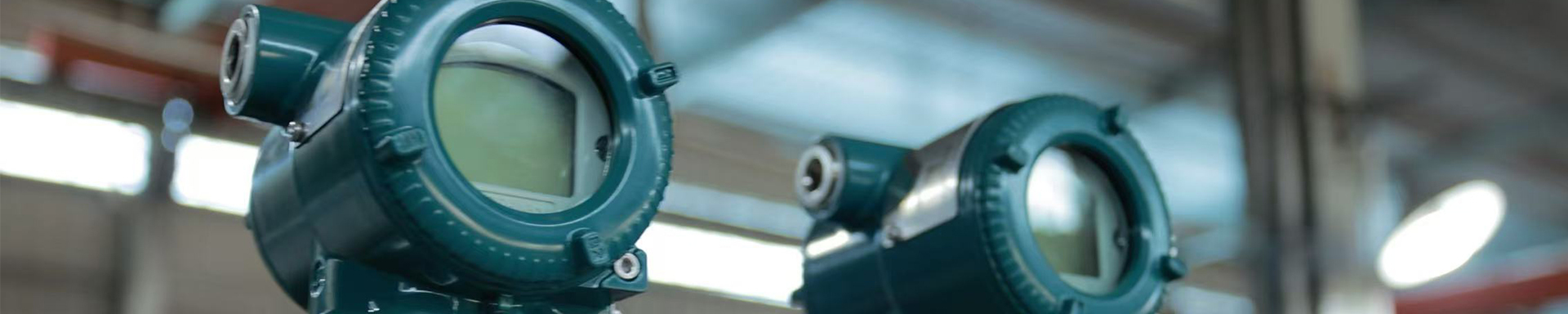
The journey towards an impeccable skid module begins long before assembly, with the rigorous inspection of all incoming raw materials and components. Upon arrival, each piece of raw steel plate, every pipe, valve, and instrument is subjected to a thorough verification process. This includes checking Material Test Certificates (MTCs) against project specifications to ensure chemical composition and mechanical properties compliance. Critical components are often subjected to additional tests, such as positive material identification (PMI) using handheld X-ray fluorescence (XRF) analyzers to confirm alloy grades. Furthermore, a robust digital traceability system is implemented from the outset. Each major material item is tagged with a unique identifier, logging its origin, batch number, and inspection status into a centralized database. This creates an unforgeable "birth certificate" for the skid, enabling full traceability throughout the manufacturing lifecycle and providing clients with complete transparency and peace of mind.
2. Precision in Execution: Controlled Assembly and In-Process Inspection
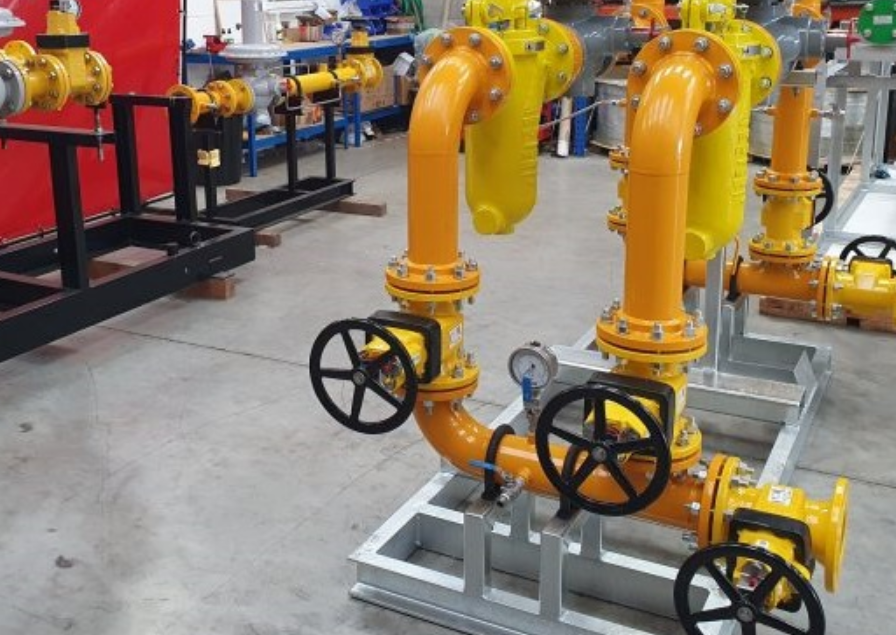
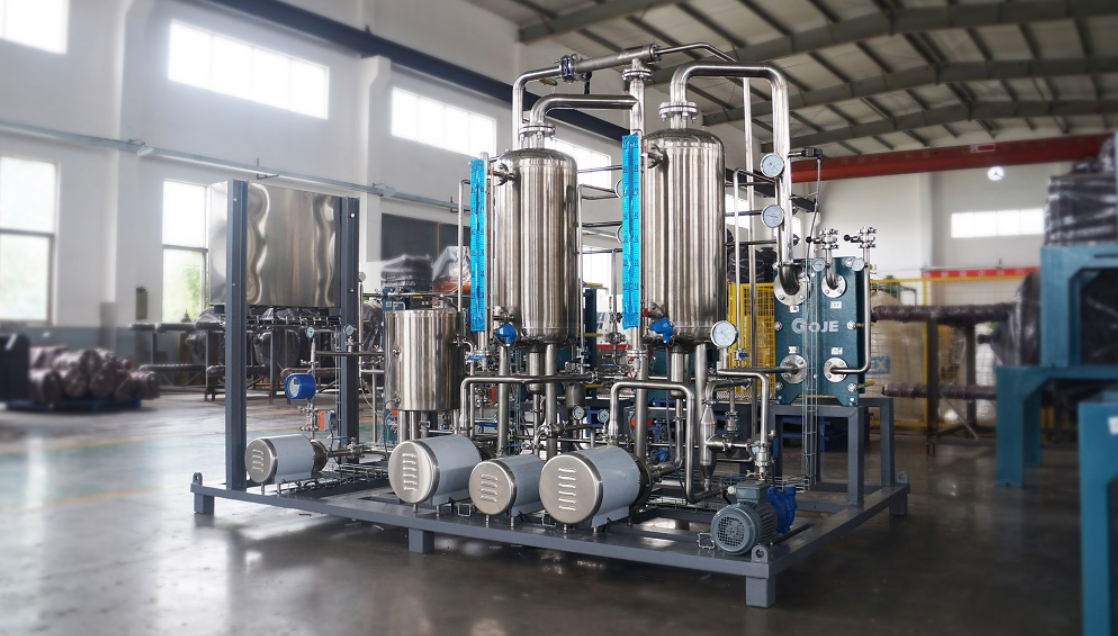
Within the spacious, organized fabrication shop, precision is paramount. The assembly process follows detailed Isometric drawings, Piping & Instrumentation Diagrams (P&IDs), and 3D models. Skilled welders, certified to international standards like ASME Section IX, perform critical welds using qualified Welding Procedure Specifications (WPS). Each weld is meticulously inspected; visual inspection is followed by non-destructive testing (NDT) methods such as radiographic testing (RT) or ultrasonic testing (UT) based on design requirements, ensuring internal integrity without compromising the material. Dimensional accuracy is constantly verified at every stage—from the initial structural frame alignment to the final placement of instruments—using precision tools like laser levels and theodolites. This systematic approach of in-process inspection, where quality is checked and documented at each milestone, prevents the propagation of errors and is far more effective than relying solely on a final inspection.
3. The Final Validation: Integrated Testing and Pre-Shipment Verification
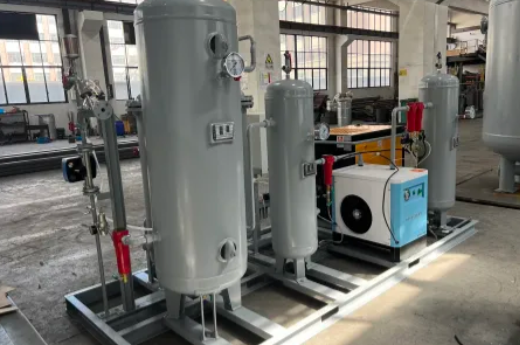
The final and most critical phase of quality control occurs after the skid is fully assembled and painted. This is where the individual components are validated as a complete, integrated system. The skid undergoes a comprehensive Factory Acceptance Test (FAT), often witnessed by the client. The FAT is a rigorous simulation of operational conditions, typically including a hydrostatic test to verify the strength and leak-tightness of the entire pressure system by filling it with water at 1.5 times the design pressure. This is followed by a functional performance test, where utilities (air, power) are connected, and the control system is powered up. Instruments are calibrated and tested, control valves are stroked, and interlocks are verified to ensure all components communicate and function as designed. This end-to-end testing regimen ensures that the module leaving the factory is not just a collection of high-quality parts, but a fully operational, reliable, and ready-to-install system, drastically reducing commissioning time and risks on site.
Summary
Shenqi's factory is not merely a production site but a hub of quality assurance where every step—from material receipt to final testing—is governed by stringent protocols. This unwavering commitment to controlled processes, precision craftsmanship, and integrated system validation is what transforms raw materials into dependable skid modules. It ensures that clients receive equipment that delivers promised performance, ensures operational safety, and provides long-term value, solidifying trust in the Shenqi brand.