


Advantages of Prefabricated Skid Modules Over Traditional Field Construction
2026-03-21 16:00Advantages of Prefabricated Skid Modules Over Traditional Field Construction
Unmatched Schedule Certainty and Drastic Time-to-Operation Savings
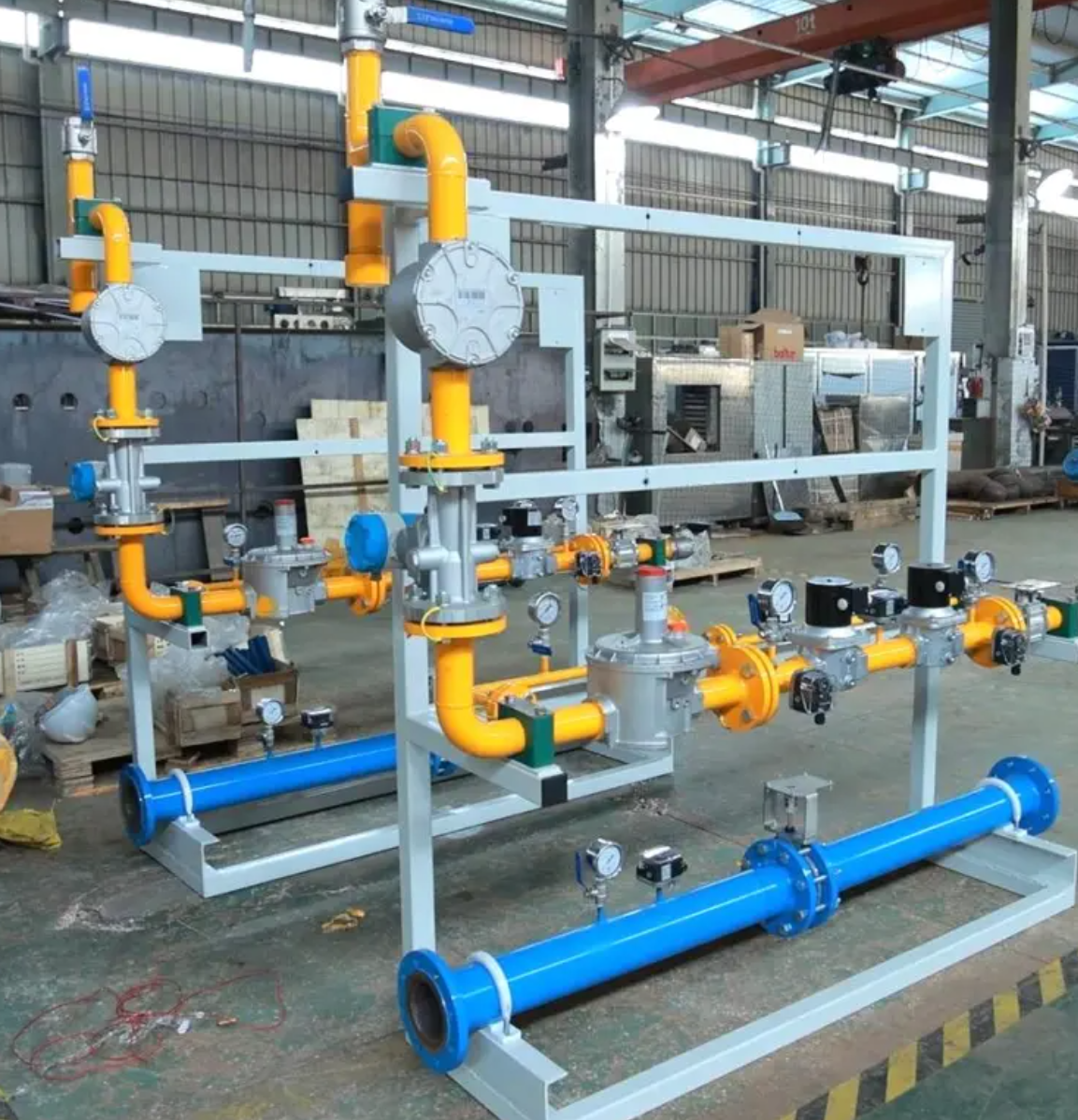
The most compelling advantage of prefabricated skid modules is their revolutionary impact on project schedules. Traditional stick-built construction is a sequential, weather-dependent process vulnerable to cascading delays: site preparation, civil work, structural steel erection, and the meticulous, piece-by-piece installation and welding of process equipment, piping, and instrumentation. Each phase is subject to weather disruptions, labor shortages, delayed material deliveries, and on-site coordination conflicts, making final completion dates highly uncertain. In stark contrast, skid module fabrication is a parallel, controlled process. While the greenfield site is being prepared, the complete process module—including vessels, pumps, piping, valves, instruments, and electrical conduits—is assembled, welded, tested, and painted within a dedicated, climate-controlled fabrication shop. This concurrent engineering eliminates the critical path dependency of field work. Skid modules are delivered as near-complete, functional packages, requiring only connection to site utilities, foundations, and inter-connecting pipe racks. This approach can compress overall project timelines by 30% to 50%, enabling faster capital deployment, earlier revenue generation, and a significant reduction in the financing costs associated with prolonged construction periods. Time is transformed from a major risk into a predictable asset.
Superior Quality, Enhanced Safety, and Reduced Financial Risk
Quality, safety, and cost control are intrinsically elevated in a prefabrication environment. The controlled shop environment is a game-changer for quality assurance. Welding is performed under ideal conditions (out of wind, rain, and dust) by certified welders using calibrated equipment, resulting in superior, more consistent weld integrity that is easier to inspect via advanced non-destructive testing (NDT) methods. Precision machining, alignment, and system integration are achieved with machine-shop accuracy, unattainable in the field. Comprehensive Factory Acceptance Testing (FAT) is conducted before shipment. The entire assembled system undergoes hydrostatic, pneumatic, and functional loop testing, allowing issues to be identified and resolved in the shop with ready access to tools, spare parts, and engineering support. This guarantees a higher quality, more reliable end product. From a safety perspective, the majority of hazardous hot work (welding, cutting) and complex assembly at height is moved from a congested, dynamic construction site with multiple contractors to a controlled, disciplined fabrication facility with established safety protocols, drastically reducing the potential for jobsite accidents and injuries. Financially, this approach converts a large portion of variable, unpredictable field labor costs into fixed, predictable shop fabrication costs, providing superior budget control and significantly mitigating the financial overrun risks endemic to large-scale field construction projects.
Operational Excellence: Simplified Logistics, Commissioning, and Future Flexibility
The benefits of skid modules extend powerfully into the operational phase of a plant's lifecycle. Simplified logistics and installation are a direct result. A few large, pre-assembled modules are transported to site, as opposed to thousands of individual components. This drastically reduces the number of site deliveries, material handling operations, and the associated risk of loss, damage, or misplacement. On-site, the heavy lifting is concentrated on a few critical sets, minimizing the duration of disruptive heavy lift operations. Commissioning and startup are accelerated and de-risked. Since the module arrives as a pre-tested, pre-instrumented "black box," the commissioning team's focus shifts from debugging individual component installations to verifying inter-connections and system-level performance. This leads to faster, smoother startups and more reliable performance from day one. Furthermore, skid modules offer unparalleled operational flexibility and lifecycle value. For expansions, additional capacity can be added by simply connecting a new, pre-engineered module. For plant modifications, entire process sections can be replaced or upgraded by swapping out a skid during a planned turnaround. This modularity also facilitates maintenance, as a complete skid can sometimes be bypassed, isolated, and even replaced with a spare unit to minimize production downtime. This design philosophy future-proofs the investment, ensuring the plant can adapt to changing market demands or technological advancements with minimal disruption and capital expenditure.
In conclusion, the shift from traditional field construction to prefabricated skid modules represents a fundamental advancement in project execution philosophy. It is a move from a high-risk, sequential, and labor-intensive site-based activity to a predictable, parallel, and quality-focused manufacturing process. The advantages are comprehensive and compelling: dramatic reductions in project schedule and financial risk, a quantum leap in built quality and worker safety, and the delivery of an operational asset that is easier to commission, more reliable to run, and inherently adaptable for the future. For plant owners and operators seeking a competitive edge, the decision to adopt skid modules is not merely an equipment choice; it is a strategic investment in predictability, efficiency, and long-term operational excellence. It embodies the modern industrial imperative of doing more, with higher quality, in less time and with less risk.