

The Role of Ball Valves in Skid-Mounted Fluid and Gas Control Systems
2026-03-20 15:57The Role of Ball Valves in Skid-Mounted Fluid and Gas Control Systems
The Workhorse of Flow Control: Fundamental Function and Reliability
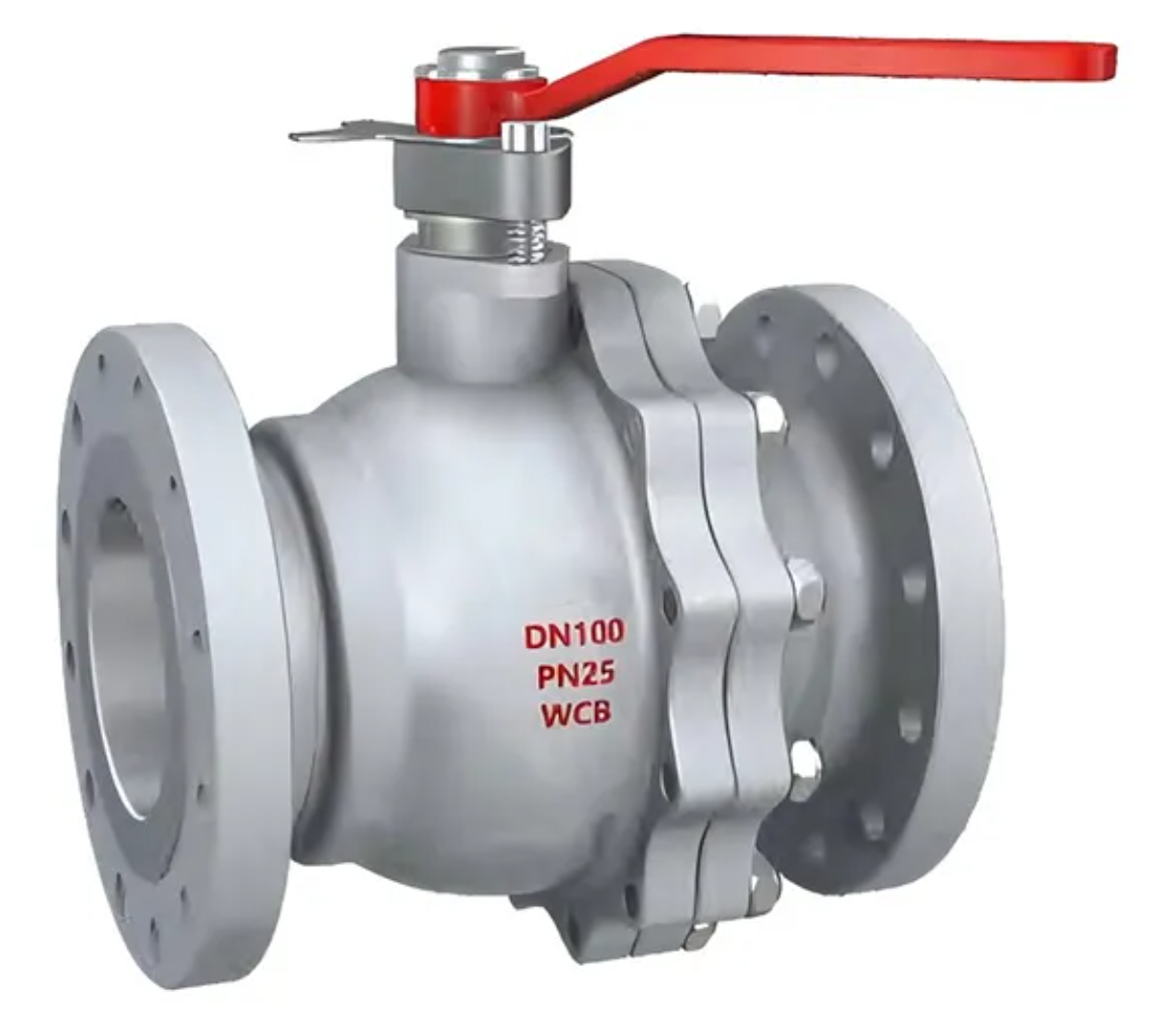
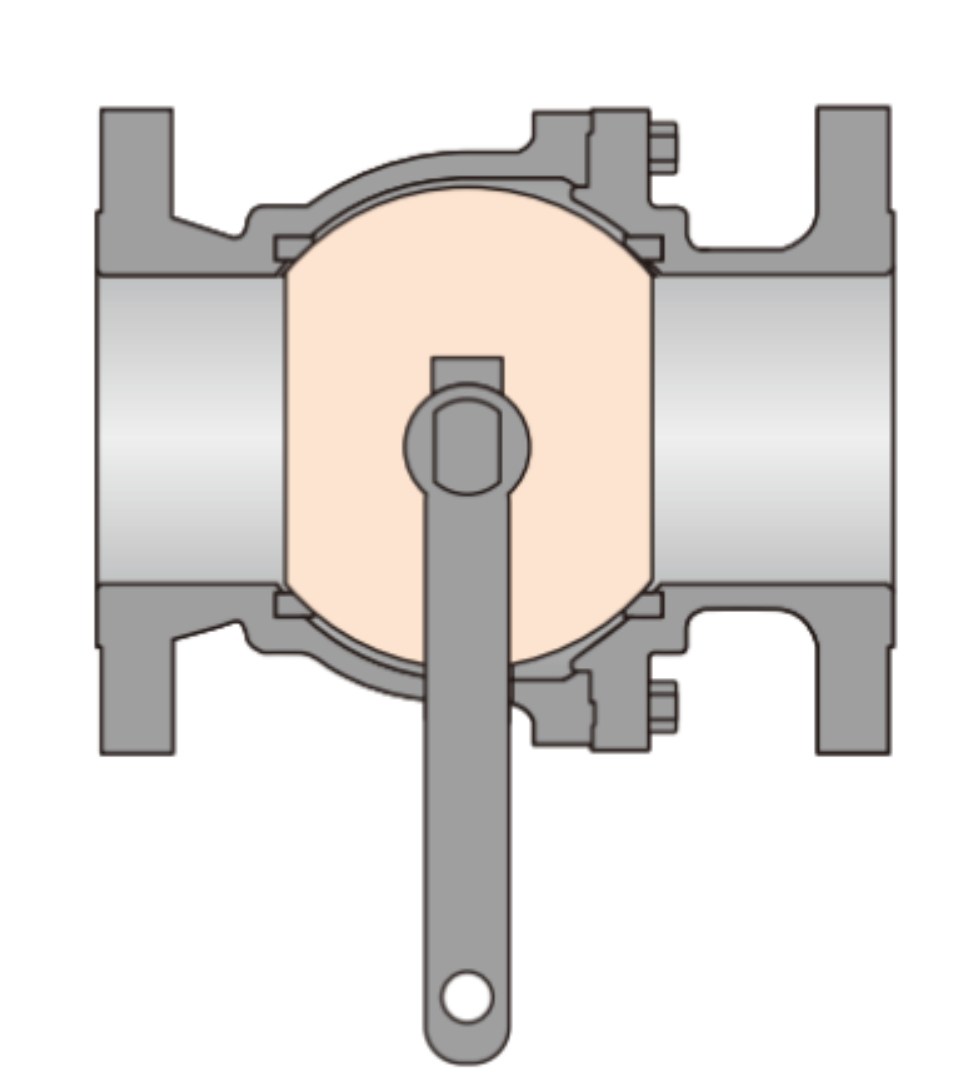
Within a skid-mounted fluid or gas control system, the ball valve is the indispensable, versatile workhorse for managing the flow of process media. Its role is foundational: to provide rapid, reliable, and leak-tight shut-off or diversion of liquids, gases, and slurries. The simple yet robust design—a spherical disc (the ball) with a through-hole, rotated 90 degrees by a stem—enables full flow in the open position and positive shut-off in the closed position. This quarter-turn operation is a key advantage, allowing for quick response during normal operations, process upsets, or emergency shutdowns. In the context of a prefabricated skid designed and built by specialists, ball valves are strategically placed at critical points: upstream and downstream of major equipment like pumps, filters, and regulators to permit isolation for maintenance; at the inlet and outlet of the skid itself; and on bypass lines around sensitive instruments. Their reliability is paramount. A high-quality, industrial-grade ball valve, with appropriate material selections (such as carbon steel, stainless steel, or specialized alloys) and resilient or metal-seated trim, ensures long-term integrity under system pressure, temperature, and corrosivity. This dependable performance minimizes the risk of unplanned downtime, making ball valves the first line of defense for isolating subsystems and safeguarding the entire skid's operation, directly supporting the functional and modular design principles of the unit.
Enabling Efficiency, Flexibility, and Safety
Beyond basic isolation, ball valves are critical enablers of operational efficiency, system flexibility, and enhanced safety within a skid. Their full-port design offers minimal flow restriction when open, reducing pressure drop and energy loss across the valve, which contributes to the overall energy efficiency of the system. This is especially important for pump suction and discharge lines. Furthermore, multi-port ball valves (3-way, 4-way) provide elegant solutions for complex flow pathing, such as diverting flow from one line to another, blending streams, or selecting between different sources, all within a single compact valve body. This simplifies piping, reduces potential leak points, and saves valuable space on a densely packed skid frame. From a safety perspective, ball valves are integral to creating safe work environments. The positive shut-off they provide allows for the safe depressurization, drainage, and lockout/tagout (LOTO) of individual sections for maintenance without affecting the entire skid. When paired with pneumatic, hydraulic, or electric actuators and integrated into the skid’s control logic, they become automated safety elements. They can be programmed to close automatically upon a signal from a pressure sensor, level switch, or gas detector, executing critical safety functions as part of an Emergency Shutdown (ESD) or Safety Instrumented System (SIS). This layered safety approach, with ball valves as the final control element, is a hallmark of professionally engineered skid packages.
Integration, Selection, and Quality in Prefabricated Design
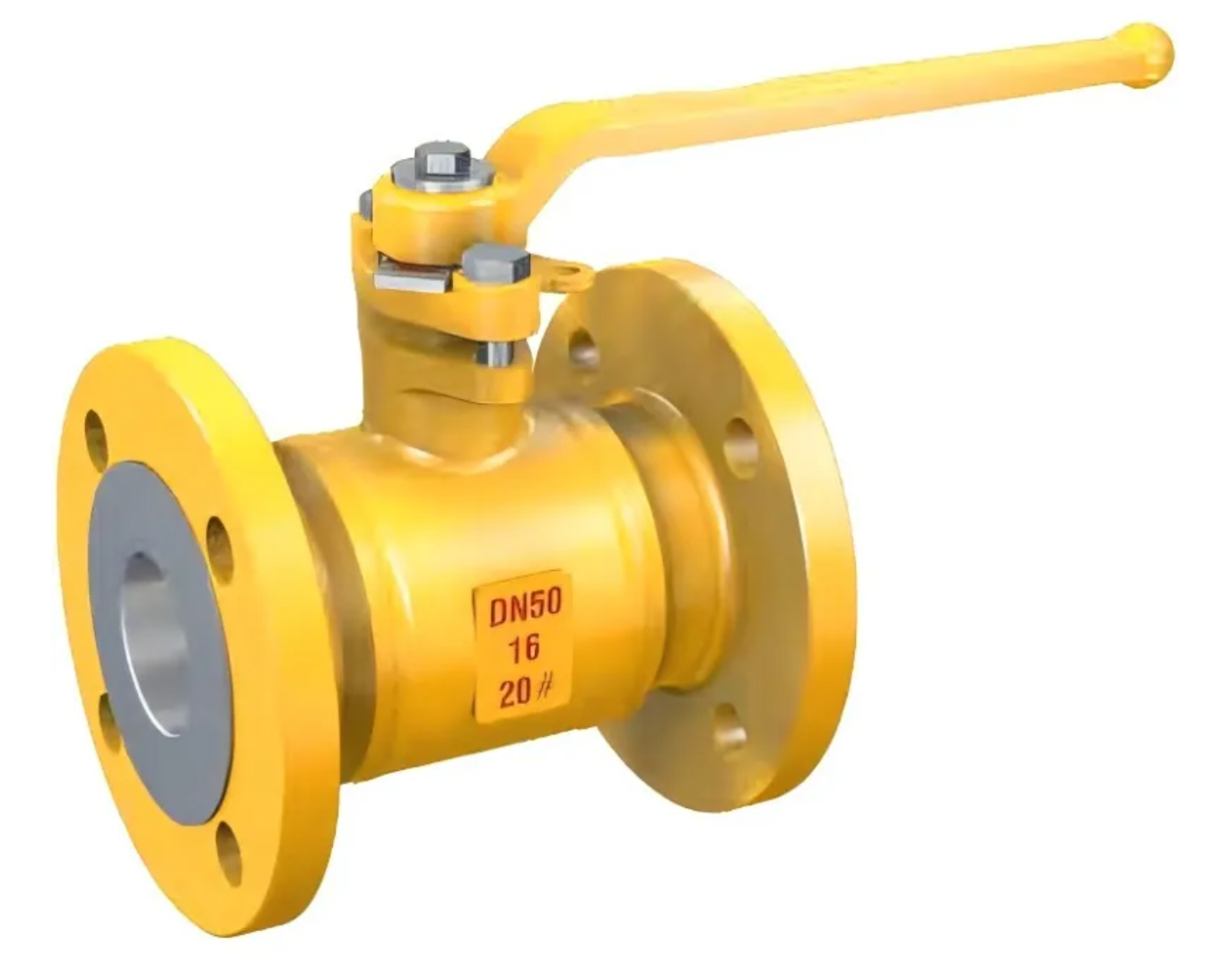
The true effectiveness of a ball valve is realized through its seamless integration into the overall skid system during the design and fabrication phase. For a skid builder, valve selection is not a generic exercise. It is a precise decision based on the process conditions: the fluid’s compatibility with valve body and seat materials (e.g., PTFE for chemicals, metal seats for high temperature), the required pressure class (e.g., ANSI 150, 300, 600), and the operating temperature range. The choice between a standard and a fully welded "engineered" ball valve for fugitive emission control is critical for environmental compliance in handling volatile organic compounds (VOCs). The valves are then strategically located on the piping and instrumentation diagram (P&ID), and the physical layout on the skid frame is meticulously planned for optimal operator access, maintainability, and pipe routing efficiency. High-quality skid fabricators source valves from reputable manufacturers and subject them to rigorous incoming inspection. During skid assembly, the valves are installed as integral components of the pre-fabricated pipe spools. The entire assembly then undergoes comprehensive testing, including hydrostatic pressure tests and functional tests, verifying that every ball valve operates smoothly and seals perfectly under design conditions. This front-loaded quality assurance ensures that the valves, as critical components, contribute to the skid’s promise of being a reliable, leak-free, and ready-to-operate packaged system upon delivery.
In conclusion, ball valves are far more than simple piping components within a skid-mounted system; they are fundamental actuators of control, enablers of efficiency, and guardians of safety. Their role spans from providing basic, reliable isolation to facilitating complex flow schemes and executing critical automated safety functions. The precision with which they are selected, specified, and integrated—based on exact process requirements and within a meticulously engineered skid layout—is a direct reflection of the system fabricator’s expertise. A skid equipped with correctly chosen, properly installed, and thoroughly tested ball valves delivers the operational reliability, safety integrity, and maintenance readiness that define a high-quality, professional fluid or gas control package. Their quiet, dependable operation is essential to the seamless functionality of the entire modular unit, solidifying their status as a cornerstone of modern industrial skid design.