



What is a Dual-Stage Gas Pressure Regulator
2026-03-19 15:53What is a Dual-Stage Gas Pressure Regulator
The Fundamental Principle: Cascading Control for Unmatched Precision
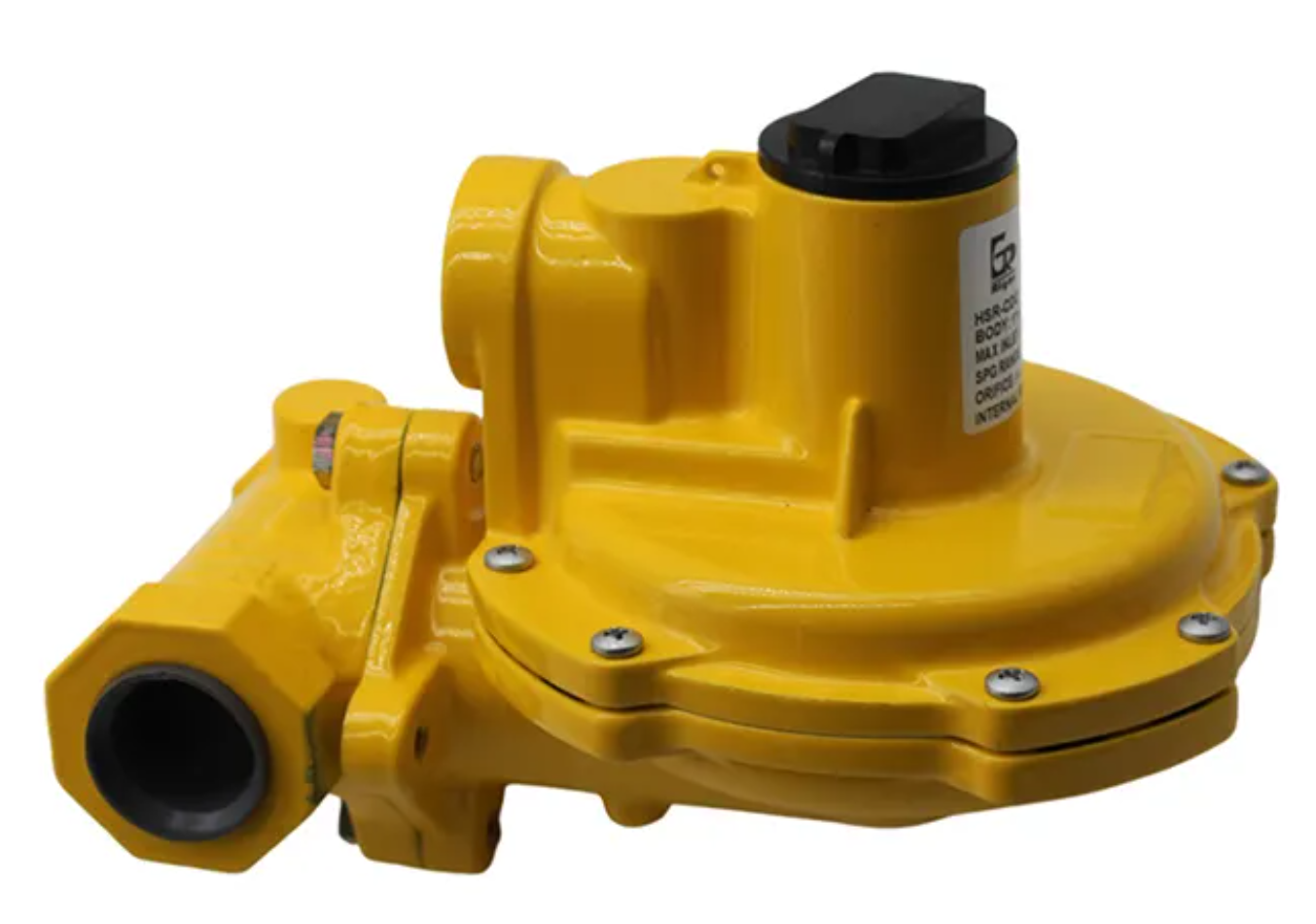
A Dual-Stage Gas Pressure Regulator is a sophisticated pressure control device engineered for applications where standard single-stage regulators are insufficient. It fundamentally operates on the principle of cascading pressure reduction. Rather than performing the entire pressure drop in one step, the gas passes through two independent, sequential regulating stages housed within a single compact body or assembly. The first stage acts as a "coarse" or "holding" regulator. It accepts a highly variable and potentially unstable high inlet pressure and reduces it to a stable, lower, yet still elevated, intermediate pressure. This intermediate pressure is held constant regardless of upstream supply fluctuations, serving as the new, stabilized supply for the second stage. The second stage is the precision control element, often called the "working" regulator. It takes this stable intermediate pressure and performs the final reduction to the exact, finely tuned outlet pressure required by the process or equipment. This two-step architecture effectively isolates the final outlet from virtually all upstream variations. Each stage is typically comprised of its own loading mechanism (spring/diaphragm/piston), valve orifice, and sensing element, all meticulously calibrated to work in concert. This design is crucial for systems where the outlet pressure must remain absolutely stable despite significant changes in flow rate, cylinder pressure decay, or varying mainline supply conditions, ensuring the ultimate downstream equipment operates with unwavering reliability.
Key Advantages: Superior Performance in Demanding Applications
The dual-stage design delivers distinct performance advantages that make it the preferred choice for critical industrial and commercial gas systems. Its foremost benefit is exceptional outlet pressure stability. Since the second stage operates from a stable intermediate pressure, the final outlet pressure remains constant despite large variations in inlet pressure or rapid changes in downstream flow demand, a scenario where single-stage regulators can exhibit noticeable "droop" or "creep." This translates directly to superior process consistency, equipment protection, and combustion efficiency. Secondly, it offers enhanced safety and reliability. The two-stage pressure reduction inherently lowers the energy load on each individual stage, reducing stress on components and minimizing the risk of component fatigue or failure. Furthermore, the first stage can be viewed as a buffer, shielding the precision second stage from the full force of potentially damaging high-pressure spikes or surges from the supply. This extends the regulator’s service life and improves overall system uptime. Finally, dual-stage regulators are ideally suited for applications with a high pressure drop (ΔP) or a wide flow range. They can handle the high energy of gas expanding from, for example, 3000 psi to 50 psi far more effectively and with less freezing potential than a single stage, making them essential for cylinder supply, bulk tank outlets, and high-flow industrial applications where consistent performance is non-negotiable.
Typical Applications and System Integration
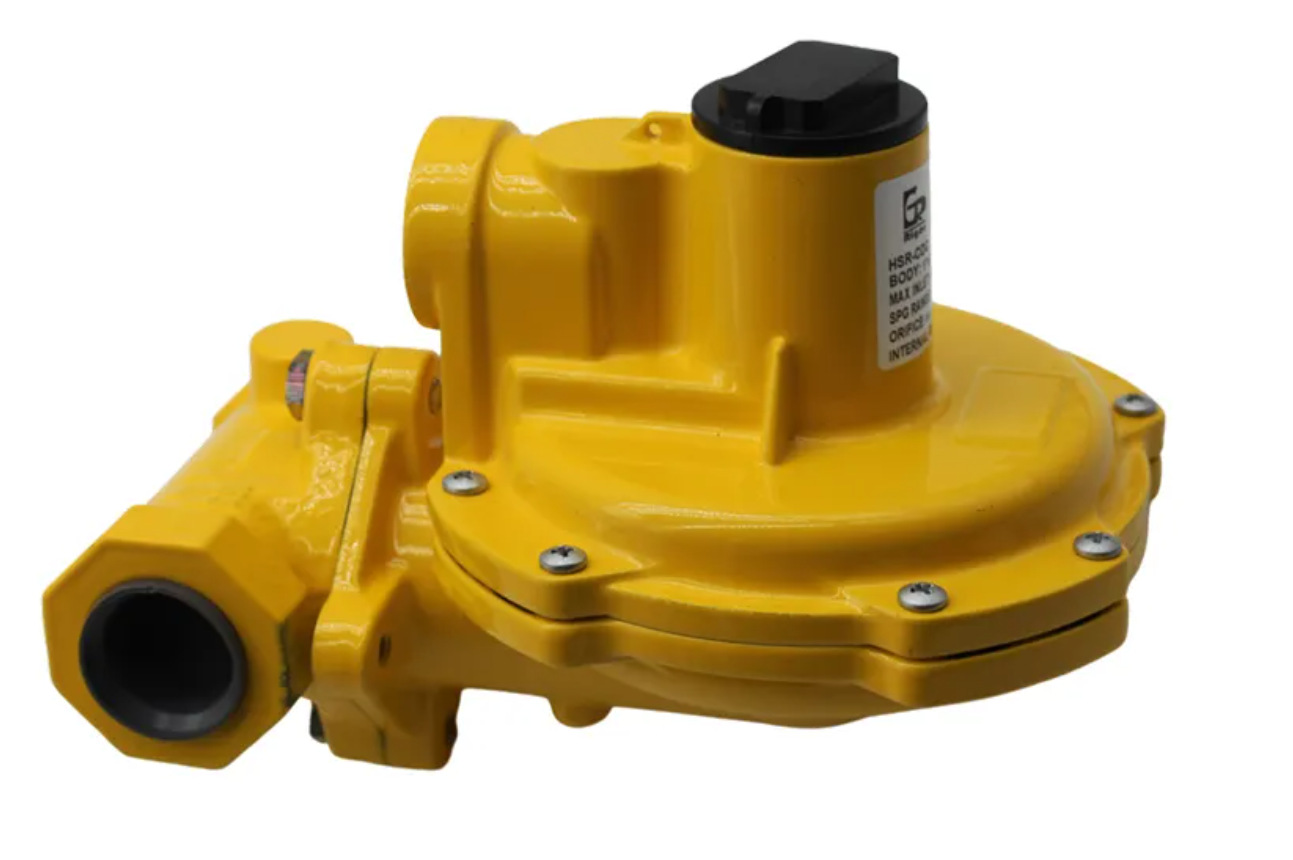
Dual-stage gas pressure regulators are the workhorse of critical and high-performance gas supply systems. A primary application is for bulk gas supply and cylinder banks, where inlet pressure can drop significantly as the source depletes. The regulator maintains a constant outlet pressure from a full tank to an empty one. In Natural Gas (NG) and LPG distribution, they are essential in pressure regulation skids at city gate stations, industrial plant inlets, or for high-purity gas panels, ensuring a stable supply despite fluctuations in the main transmission line. For high-flow industrial processes such as large furnace burners, heat treating, or metal cutting, dual-stage regulators guarantee consistent fuel gas pressure, which is critical for temperature control and product quality. They are also indispensable in specialty gas and laboratory applications where precise pressure control is required for analytical instruments. In the context of integrated solutions provided by firms like Shanghai Shenqi Machinery, a dual-stage regulator is not selected in isolation. It is a core component expertly integrated into a complete gas pressure regulation skid. The skid’s design incorporates upstream filtration to protect the regulator, instrumentation to monitor both intermediate and outlet pressures, and safety shut-off valves, all built on a prefabricated, tested frame. This system-level approach ensures the dual-stage regulator’s performance is maximized within a safe, reliable, and easily maintainable package, delivering a complete solution for demanding client needs.
In summary, a dual-stage gas pressure regulator is a precision-engineered control device that achieves superior performance by dividing the pressure reduction task into two sequential, isolated stages. This architecture is specifically designed to deliver unmatched outlet pressure stability, enhanced safety, and reliable operation under demanding conditions involving high inlet pressure, large pressure drops, or wide flow variations. Far from being a standalone component, it functions as the critical control heart within larger, integrated systems. For engineers and operators specifying equipment for critical gas applications, understanding the function and benefits of a dual-stage regulator is key to selecting a solution that ensures process integrity, protects valuable assets, and guarantees long-term, trouble-free operation. Its role is fundamental in building robust and reliable industrial gas infrastructure.