



How To Compare Chemical Process Pump Skids Beyond Initial Price
2026-04-01 16:16Comparing chemical process pump skids by purchase price alone often leads to the wrong decision. The U.S. Department of Energy’s pump life cycle cost guidance says the real cost of a pumping system usually includes not just initial purchase, but also installation and commissioning, energy, operation, maintenance and repair, downtime, environmental cost, and eventual disposal. Hydraulic Institute guidance adds that pump systems are generally optimized around total cost of ownership, which often means spending more up front for lower energy use, less maintenance, higher reliability, and longer service life.
Look At Life Cycle Cost, Not Just The Purchase Quote
A strong comparison should begin with life cycle cost rather than equipment price. DOE’s LCC guide specifically lists initial cost, installation and commissioning, energy, operation, maintenance and repair, downtime, environmental cost, and decommissioning as normal elements of pump-system cost analysis. That means a lower quotation is only one small part of the real financial picture.
Hydraulic Institute’s recent system-optimization guidance goes further and notes that, for a typical pumping system, about 65% of total cost of ownership is tied to energy and maintenance, while the initial cost is about 10%. For chemical process pump skids, this is especially important because continuous-duty service, difficult fluids, and tighter process control can magnify the cost of poor efficiency or repeated maintenance. A skid that is cheaper to buy but more expensive to run can quickly become the costlier option.
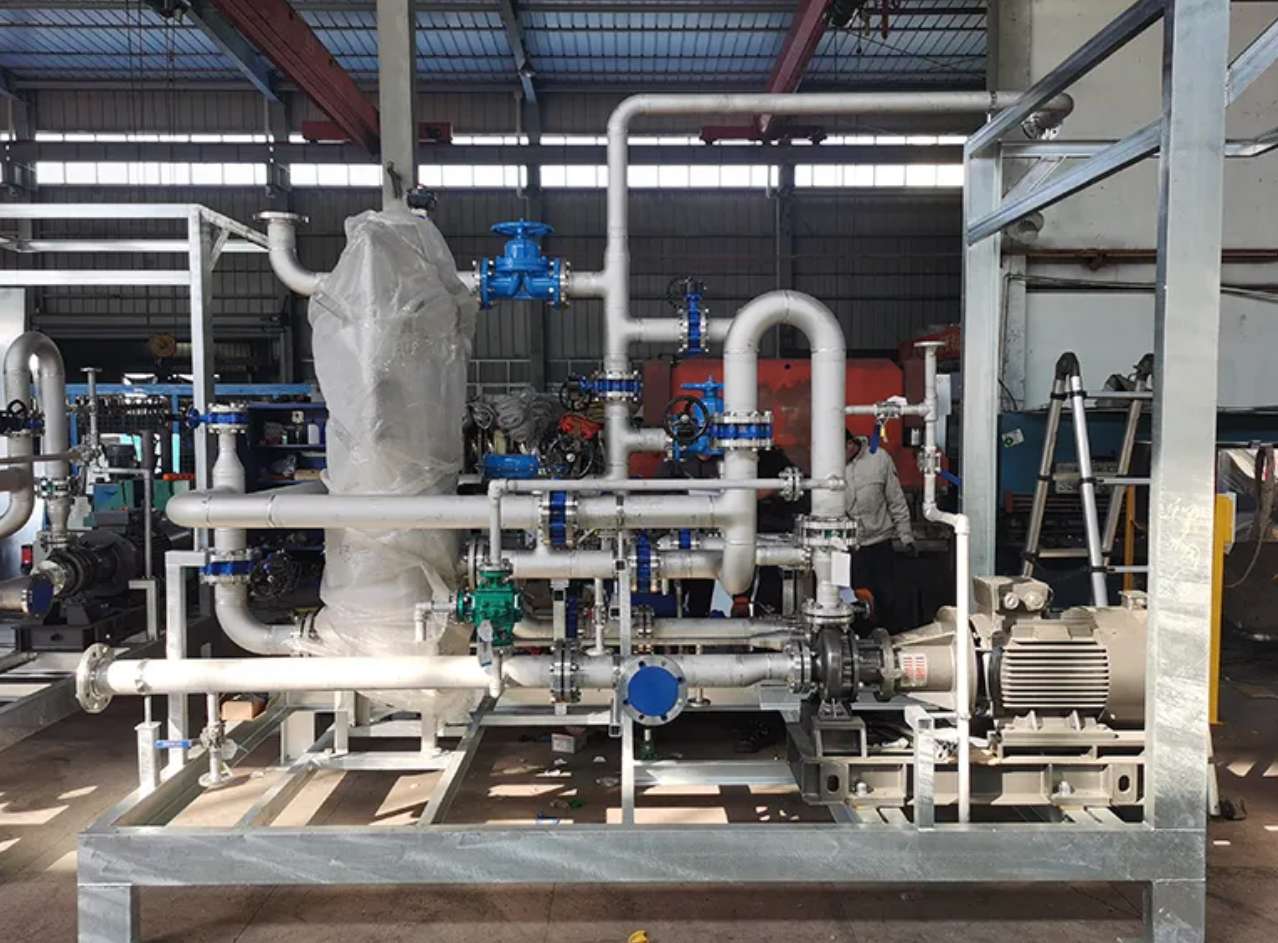
This is why hydraulic fit matters more than headline price. Grundfos explains that pump selection should follow the system curve to the real operating point, and its training material identifies a preferred operating area on the pump curve where efficiency and operating performance are strongest. If a skid is selected around the wrong duty point, the extra cost later often appears in wasted energy, unstable operation, and shorter equipment life rather than in the original quotation.
Compare Hydraulic Suitability, Materials, And Seal Systems
When chemical media are involved, hydraulic suitability should be checked together with suction conditions and material compatibility. Grundfos explains that NPSH is the pressure margin needed to avoid cavitation, and its guidance states that available NPSH should be greater than required NPSH plus a safety margin of at least 0.5 m (1.7 ft). A skid that looks cheaper on paper may become a poor choice if suction layout, tank level, temperature, or fluid properties leave too little NPSH margin in real service.
Seal design also deserves much more attention than it usually gets in a price comparison. API 682 is the widely recognized standard that specifies requirements and recommendations for shaft sealing systems for centrifugal and rotary pumps used in the petroleum, natural gas, and chemical industries. In other words, when the fluid is hazardous, toxic, valuable, or difficult to contain, the seal support arrangement is part of the real quality of the skid, not an optional accessory.
That is where leakage-control features can change the value equation. Flowserve’s API 682 support-plan guidance shows that Plan 65A and 65B are used for atmospheric leakage collection and detection on single mechanical seals, while Plan 66A uses dual throttle bushings to minimize leakage leaving the seal gland and allow failure detection. For a chemical process pump skid, these details may matter far more than a lower initial price because they affect emissions control, failure visibility, and operational safety.
Compare Maintainability, Testing, And Skid Integration Quality
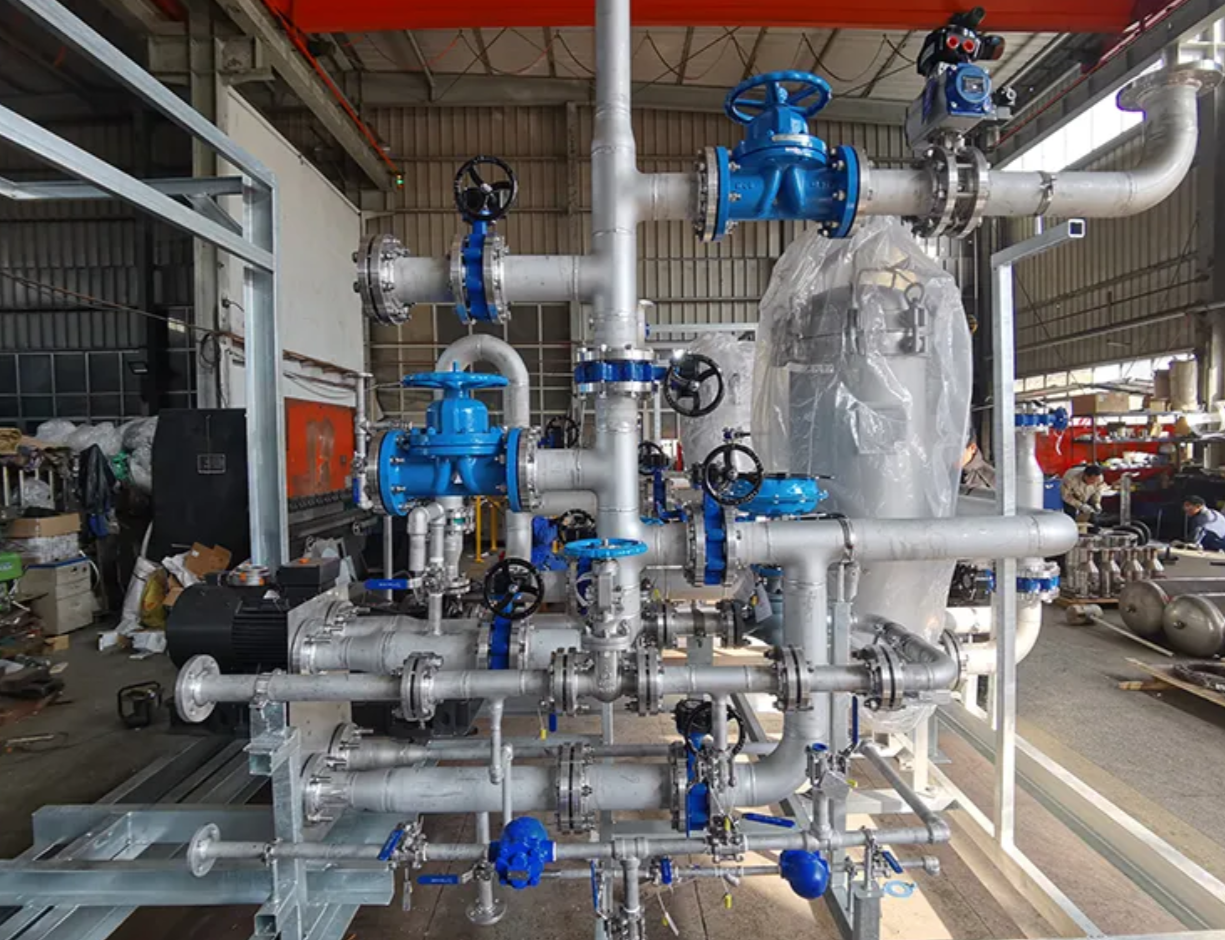
A cheaper skid can also lose its advantage if maintenance is harder or more frequent. DOE guidance on maintaining pumping systems recommends preventive actions, predictive actions, and periodic efficiency testing, and it specifically notes that oil analysis can reveal bearing problems and seal problems caused by pumped fluid entering the oil. This means the better skid is often the one that makes inspection, access, monitoring, and routine service easier, not simply the one with the lowest price tag.
Testing and documentation should also be part of the comparison. Carotek’s process-skid guidance notes that a proper P&ID defines key process information such as flow rates, pressures, temperatures, line sizes, components, instruments, and electrical control requirements, and its skid-package materials describe process skids as integrated mechanical and electrical systems that are pre-wired, mounted on a common base, and tested before shipment. Even though that is a manufacturer source, it reflects a practical reality of skid projects: integration quality, pre-shipment testing, and document completeness can save major time during installation and startup.
A useful comparison therefore goes beyond “pump brand versus pump brand.” It should ask whether the skid matches the real hydraulic duty, whether cavitation margin is adequate, whether the seal system is suitable for the chemical service, whether maintenance access is practical, and whether the package is tested and documented well enough to reduce startup risk. That broader comparison is usually what separates a lower purchase price from a lower long-term cost.
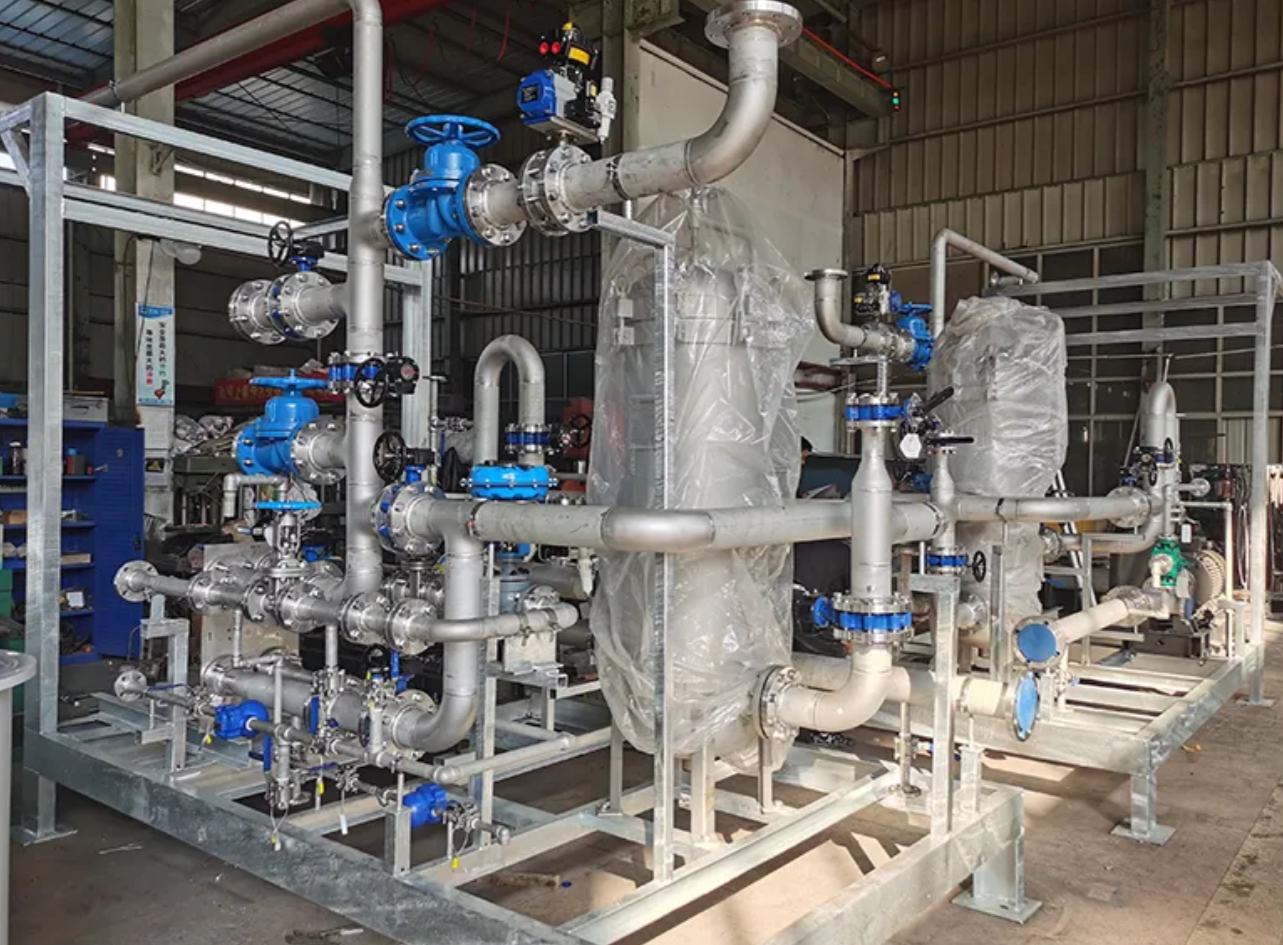
To compare chemical process pump skids beyond initial price, the most effective method is to compare them in three layers: life cycle cost, process suitability, and execution quality. DOE and Hydraulic Institute guidance both show that energy and maintenance usually outweigh initial purchase cost over time, while NPSH, seal-system design, maintainability, and pre-shipment testing all affect whether a skid performs reliably in chemical service. A skid that costs more at the start may still be the better choice if it reduces leakage risk, avoids cavitation, lowers maintenance burden, and shortens startup time.