

How to Select a Steam Pressure Control Skid
2026-03-05 15:53How to Select a Steam Pressure Control Skid
Defining Your Process Requirements: The Foundation of Specification
The selection of a steam pressure control skid begins with a precise and comprehensive definition of your process requirements. This foundational step determines all subsequent technical decisions. The primary parameters to specify are the Steam Conditions: the Maximum Inlet Pressure and Temperature of the steam supply, and the required, stable Outlet Pressure and Temperature for your downstream process. Equally critical is the Steam Flow Rate, defining both the normal operating load and the maximum expected demand. It is essential to clarify the Steam Type—whether it is saturated steam, superheated steam, or clean steam for pharmaceutical use—as this dictates design choices for desuperheating and materials. Equally important is to identify the System's Criticality. Is it for a non-critical utility application, or is it for a core process where failure could lead to production loss or safety hazards? This classification will influence the safety and redundancy level of the skid design. You must also define the Control Objectives: is the goal to maintain a constant outlet pressure regardless of flow fluctuations, or is a more complex cascade control involving temperature also required? Providing detailed information on the Plant's Utilities, such as the availability and quality of cooling water for desuperheating and instrument air for valve actuation, is necessary. For specialized industries, additional requirements like Material Traceability (for pharmaceuticals) or specific Surface Finishes (e.g., electropolishing) must be stated upfront. A manufacturer like Shanghai Shenqi Machinery uses this comprehensive specification to develop a process datasheet, which serves as the definitive benchmark for the entire project. Skipping or approximating this step risks an undersized, oversized, or otherwise unsuitable system.
Evaluating Technical Design and Safety Philosophy
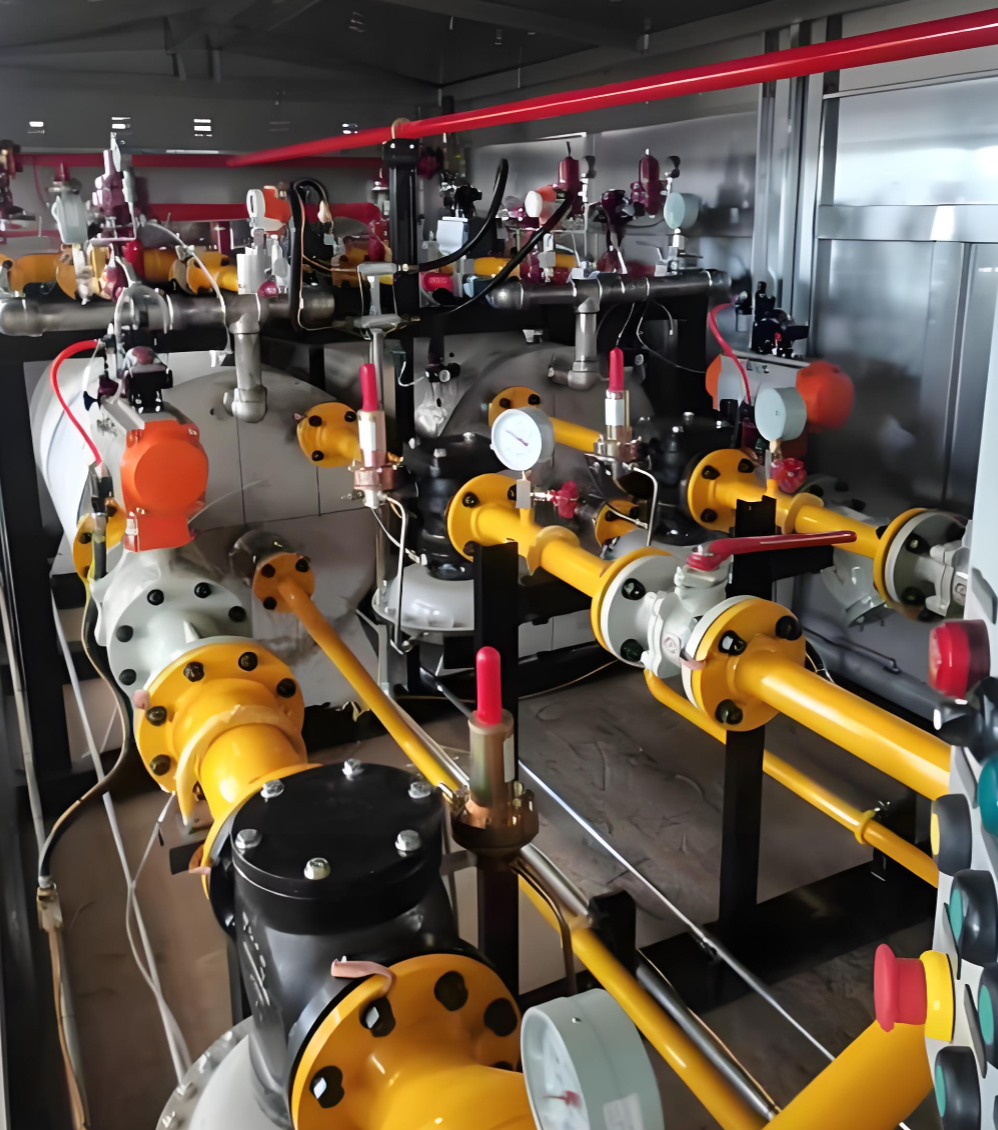
With clear process parameters, the selection process shifts to evaluating the technical design and safety architecture of the skid. A core decision is the choice of the Pressure Reducing Station Configuration. For non-critical applications, a simple Single PRV (Pressure Reducing Valve) with a Safety Relief Valve may suffice. For most industrial applications, a more reliable Active-Monitor (or Series) Regulator setup is standard. Here, an "active" control valve handles normal regulation, while a separate "monitor" valve, set slightly higher, acts as a fail-safe backup. For highly critical services, a Full 2-out-of-3 (2oo3) Redundant System with three valves and voting logic may be specified. The Desuperheater Technology must be matched to the application. Mechanical-Atomizing Desuperheaters are common for most services, while Steam-Atomizing types offer superior performance for high turndown ratios or viscous feedwater. The Control System is the brain of the skid. Determine the required level of automation: from simple local PID controllers to a fully integrated PLC/SCADA system with remote monitoring, data logging, and advanced control algorithms. Safety is non-negotiable. Ensure the design includes independent Safety Instrumented Functions (SIFs), such as separate pressure transmitters and a Safety Shut-off Valve (SSOV) that will isolate steam on high pressure. The skid should be designed and fabricated to relevant International Codes and Standards, such as ASME B31.1 for power piping and PED for the European market. Finally, assess the Manufacturer's Engineering Capabilities—do they use advanced design tools for noise prediction and stress analysis? Can they provide detailed P&IDs, GA drawings, and control narratives? A partner like Shenqi will demonstrate a proactive approach to designing for safety, efficiency, and maintainability.
Considering Fabrication Quality, Testing, and Supplier Partnership
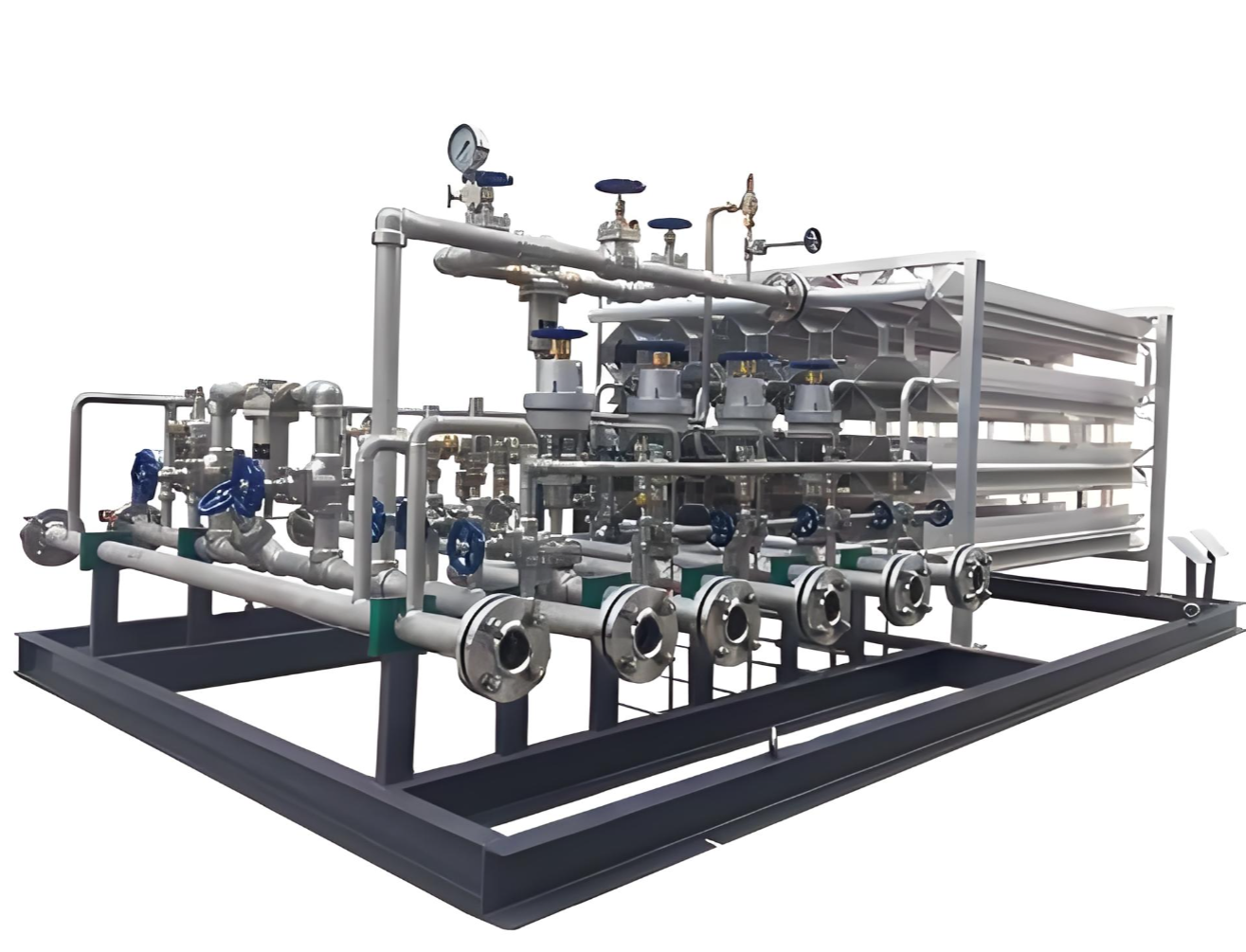
The final selection criteria move beyond the paper design to the tangible execution and long-term support. Fabrication Quality and Workshop Control are paramount. Inquire about the manufacturer's welding procedures (preferably automated orbital TIG for critical welds), material traceability systems, and cleanliness protocols, especially for clean steam applications. The skid should be a Pre-Assembled, Pre-Piped, and Pre-Wired Package, fully tested before shipment. The most critical evidence of quality is the Factory Acceptance Test (FAT). A reputable supplier will conduct a comprehensive FAT, simulating operating conditions to demonstrate pressure let-down stability, temperature control accuracy, and the functional response of all safety interlocks. Witnessing the FAT is the best way to verify performance. Consider the Total Cost of Ownership (TCO), not just the initial purchase price. A well-designed skid with high-quality components may have a higher upfront cost but will offer lower lifecycle costs through energy efficiency, minimal maintenance, and avoidance of unplanned downtime. Evaluate the Supplier's Project Execution Capability. Can they handle the entire package, from design and procurement to fabrication, testing, and documentation? Do they provide complete As-Built Documentation and Certification Packages (e.g., material certs, WPS/PQR, calibration reports)? Finally, assess their After-Sales Support for commissioning assistance, spare parts availability, and technical service. Choosing a partner like Shanghai Shenqi Machinery, who acts as a single-point responsible supplier for a fully integrated, code-compliant, and performance-guaranteed skid, mitigates project risk and ensures a smooth transition from procurement to reliable, long-term operation.
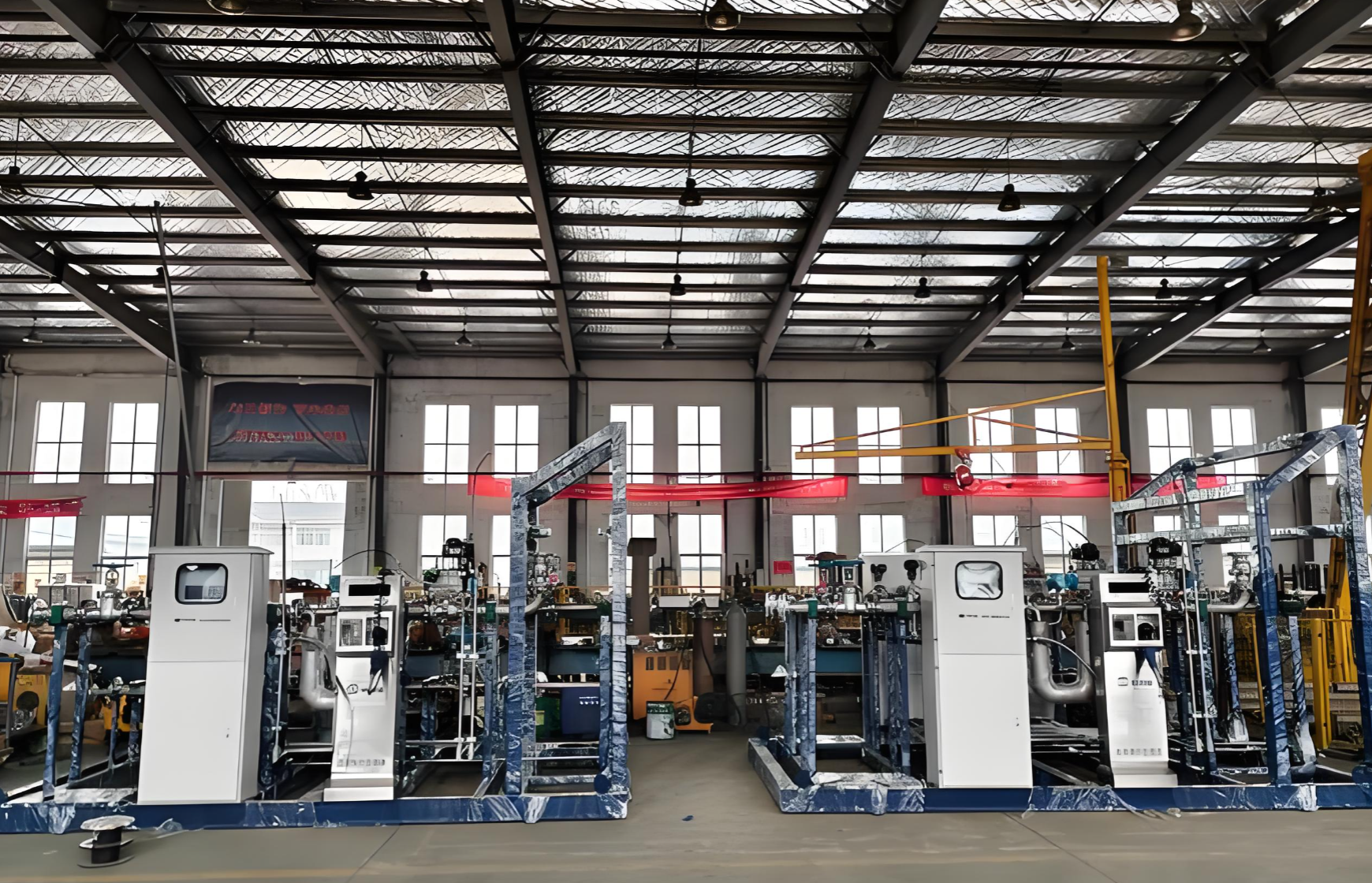
Selecting the right steam pressure control skid is a systematic process that balances precise process definition, rigorous technical evaluation, and a partnership with a capable manufacturer. It requires looking beyond a simple component list to understand the integrated system's design philosophy, safety integrity, and fabrication quality. By methodically defining your needs, scrutinizing the technical design for reliability and safety, and verifying the supplier's ability to deliver and support a fully validated package, you secure more than just equipment—you invest in a cornerstone of your plant's utility infrastructure that guarantees safe, efficient, and stable steam supply for years to come. Partnering with an expert integrator like Shenqi transforms this complex selection process into a streamlined path to operational excellence.