

Noise Reduction Techniques for Gas Pressure Let-Down Stations
2026-03-09 15:38Noise Reduction Techniques for Gas Pressure Let-Down Stations
Understanding the Source: Noise Generation in Gas Pressure Reduction
The primary source of high-intensity noise in gas pressure let-down stations stems from the rapid expansion and turbulent flow of high-pressure gas as it passes through a restriction, typically the Pressure Reducing Valve (PRV). This process generates three main types of noise: Mechanical Noise from vibrating internal components; Gas Flow Noise created by turbulence; and most significantly, Aerodynamic Noise, which is high-frequency, high-intensity "jet noise" produced as high-velocity gas mixes with slower downstream gas. The noise level is a function of the pressure drop ratio, flow rate, and gas properties, and it can easily exceed 110 dB(A) in severe cases, posing risks of hearing damage for personnel, noise complaints from the community, and even acoustic-induced fatigue in piping. For an experienced manufacturer like Shanghai Shenqi Machinery, the first step in noise control is a predictive analysis during the design phase. Using proprietary sizing software and industry models, engineers simulate the expected noise levels for the specific service conditions. This proactive approach allows for the integration of noise mitigation as a core design parameter, not an afterthought. The goal is to engineer a system that manages pressure efficiently while operating within acceptable acoustic limits, often mandated by local environmental regulations and occupational health and safety standards.
Primary Engineering Solutions: Design-Level Noise Mitigation
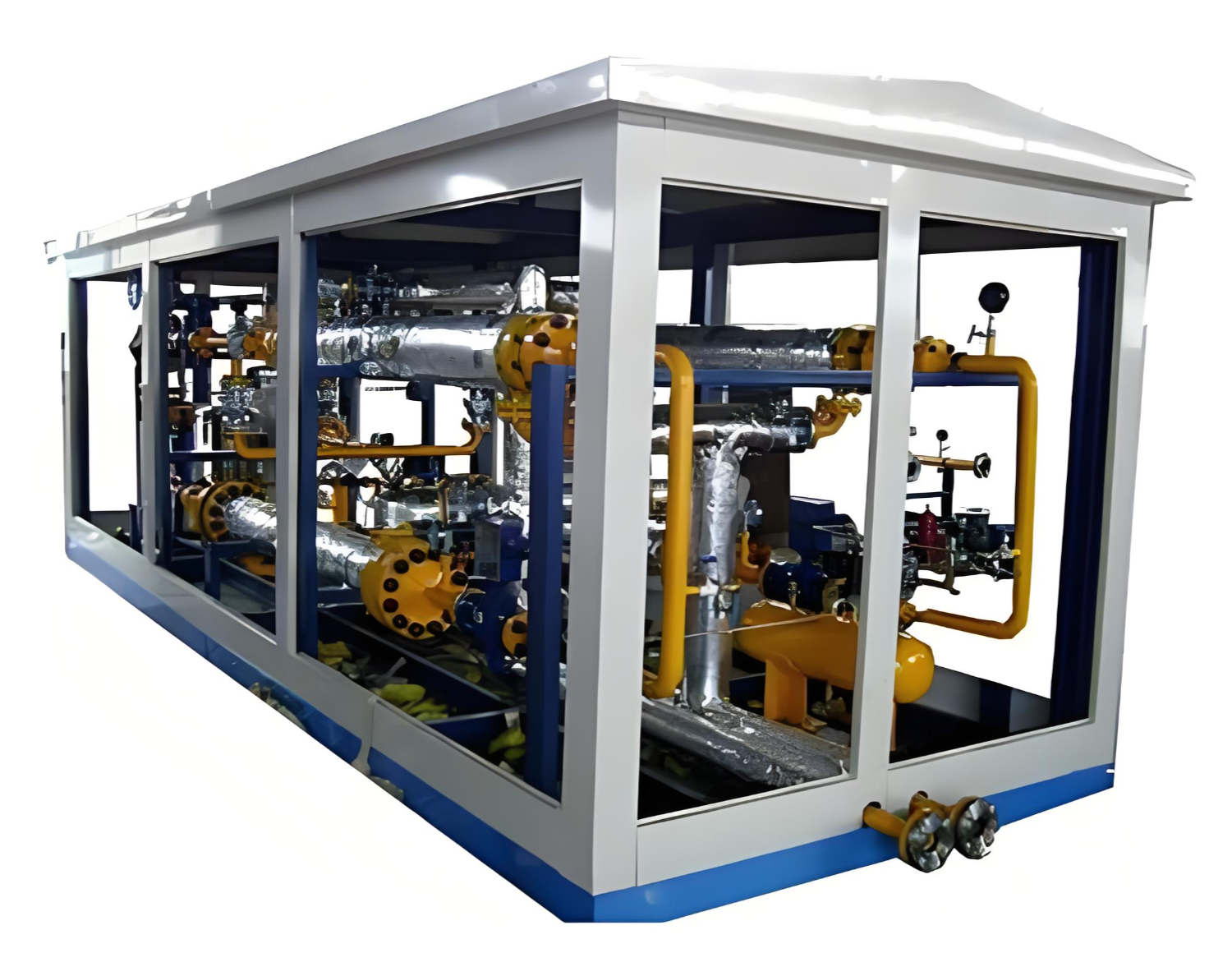
The most effective noise reduction is achieved at the source through intelligent system and component design. The primary strategy is the use of Specialized Low-Noise Trim inside the PRV. Instead of a standard single-stage orifice, low-noise trim utilizes multiple, precisely engineered stages (such as drilled-hole cages, labyrinthine paths, or stacked plates) to break a large, single pressure drop into a series of smaller, incremental drops. This significantly reduces gas velocity and turbulence at each stage, dramatically lowering aerodynamic noise at its origin. Secondly, Shenqi engineers may specify Multiple Pressure Reduction Stages across the skid. Distributing the total required pressure drop over two or more regulators in series, rather than a single valve, inherently reduces the pressure ratio and noise generation at any one point. A related, highly effective technique is the use of a Pressure Let-Down Plate (Orifice Plate) installed upstream of the main regulator. This plate absorbs a portion of the pressure drop quietly, pre-conditioning the flow before it reaches the control valve. Furthermore, the strategic Sizing and Selection of Piping and Valves is critical. Oversizing valves forces them to operate near the seat, which generates more noise, while correctly sized valves operate more efficiently and quietly. These design-level solutions are integrated from the outset, forming the quiet foundation of the entire pressure reduction station.
Secondary and Containment Measures: Absorption and Insulation
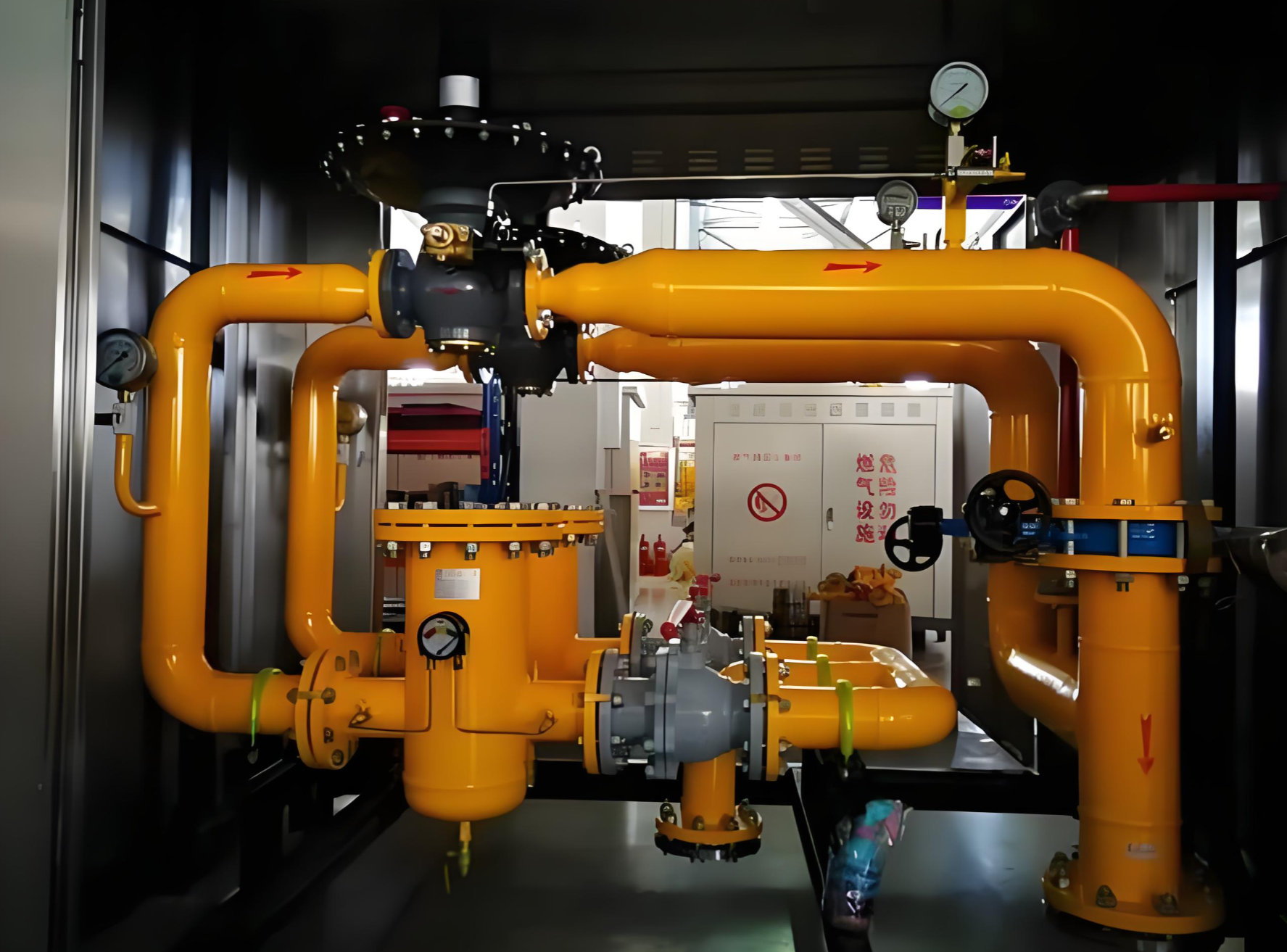
When source control via design reaches its practical or economic limit, secondary and containment measures are employed to manage the remaining noise. The most common approach is the installation of In-line Acoustic Silencers or Attenuators. These are specialized vessels installed downstream of the PRV, internally lined with sound-absorbing media (such as mineral wool or metal fiber) and tuned baffles. They work by reflecting and absorbing sound energy, effectively "trapping" the noise within the gas stream. Another critical measure is Acoustic Insulation Lagging on pipes, valves, and vessels. High-density, barrier/absorptive composite jacketing is wrapped around high-noise components to prevent the transmission of structure-borne and air-borne noise. For the skid structure itself, Shenqi can incorporate Acoustic Enclosures or Acoustic Hoods that completely encapsulate the PRV and associated piping, containing the noise at the source. Furthermore, ensuring proper Flow Conditioning upstream (using straight run pipe, flow straighteners) creates a smooth, non-turbulent flow profile into the valve, reducing noise generation. Finally, the strategic Layout and Orientation of the skid, positioning noisy elements away from sensitive boundaries and using the skid's own structural mass as a barrier, contributes to an overall quieter installation. A comprehensive Factory Acceptance Test (FAT) at Shenqi's facility validates the effectiveness of these combined techniques under simulated operating pressures, ensuring the system meets the guaranteed acoustic performance before it arrives on-site.
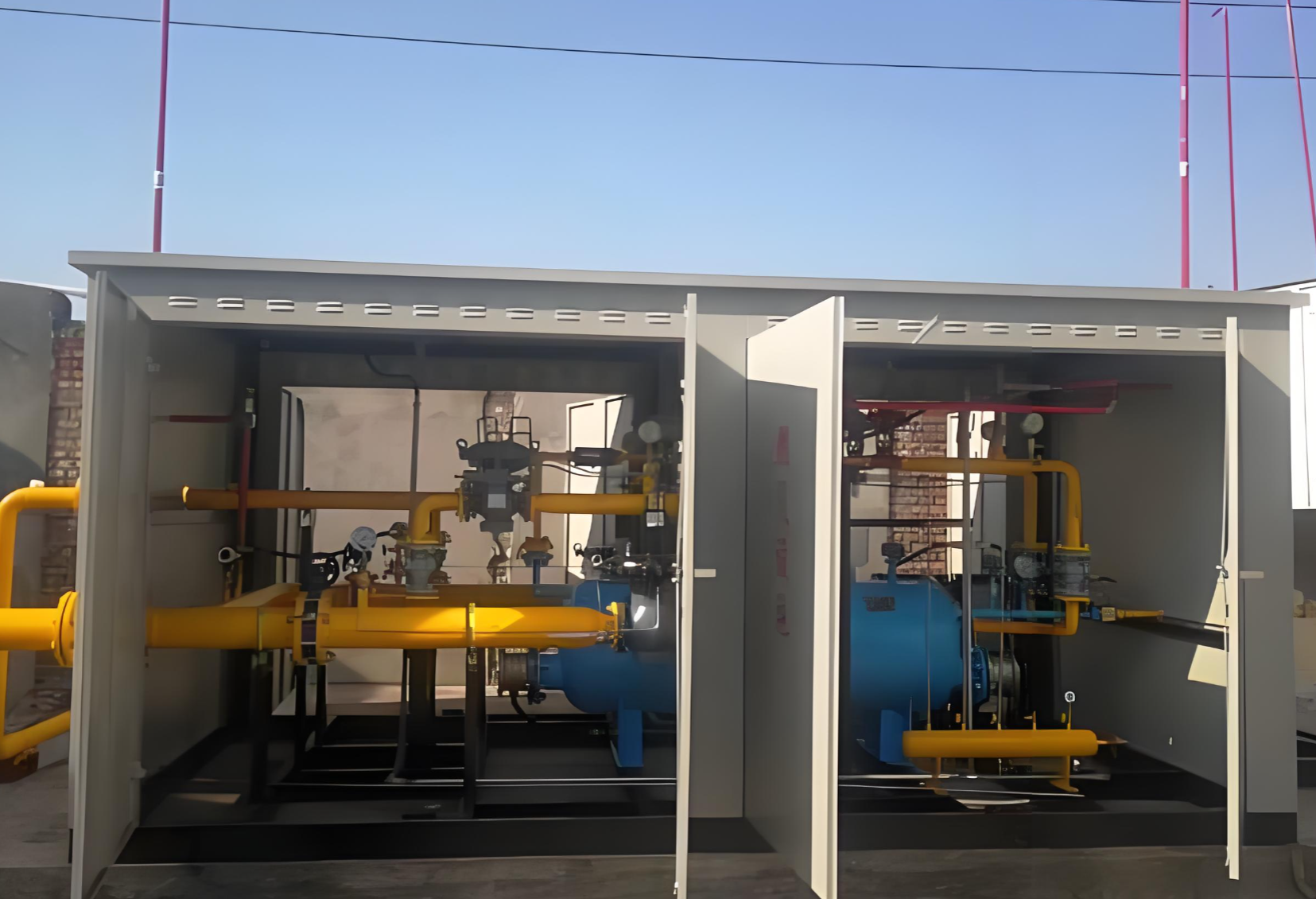
Effective noise reduction in gas pressure let-down stations is not achieved by a single "silver bullet" but through a holistic, multi-tiered engineering strategy. It begins with predictive analysis and intelligent design using low-noise components and multi-stage pressure reduction to minimize noise at its source. It is then complemented by secondary measures like silencers and insulation to manage residual noise. For an EPC contractor or plant owner, partnering with a specialist manufacturer like Shanghai Shenqi Machinery, who possesses the expertise to design, integrate, and validate this full spectrum of noise control techniques, is the most reliable path to achieving a compliant, safe, and community-friendly pressure regulation facility. The result is a skid that operates not only with precision and reliability but also with the quiet efficiency that defines modern, responsible industrial engineering.