


Noise Reduction Techniques for Pressure Reducing Stations
2026-04-19 12:36Addressing the Source: Valve and Flow Path Optimization
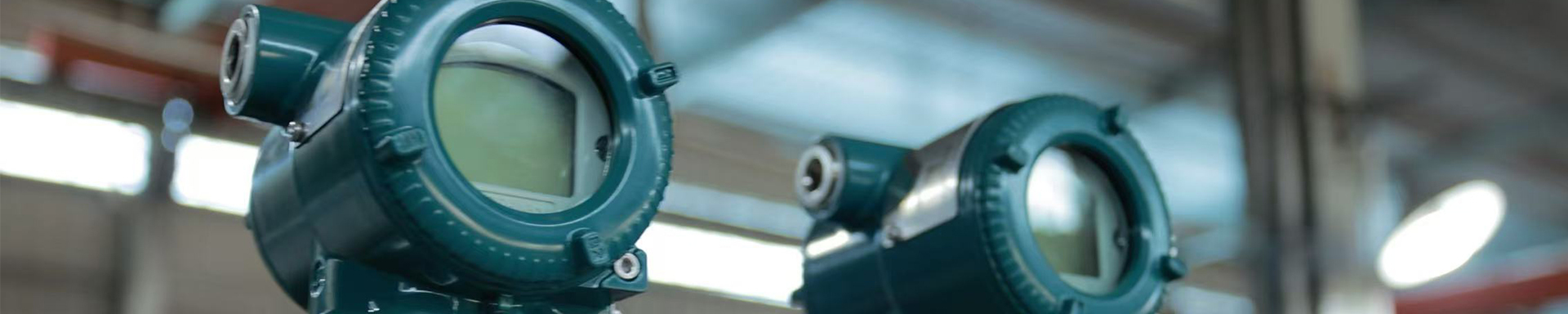
The primary source of noise in a Pressure Reducing Station is the high-velocity, turbulent gas flow generated as it passes through the pressure reducing valve (PRV). Therefore, the most effective noise control starts at the source: the valve itself and the immediate flow path. Key techniques at this stage include selecting specialized low-noise trim or multi-stage trim valves. These valves incorporate multiple, small, tortuous flow paths that break down a single, large pressure drop into a series of smaller, incremental drops. This dramatically reduces the fluid velocity and associated turbulence, which is the direct generator of aerodynamic noise. Another advanced approach is the use of diffusers or flow straighteners installed downstream of the valve. These devices condition the flow, smoothing out jet streams and mitigating flow-induced vibrations that can excite pipe walls and radiate noise. By optimizing the core pressure reduction element, noise levels can be reduced by 10-20 dBA or more at the source, which is significantly more effective than merely containing noise after it is generated. This is a fundamental design consideration in modern, compliant skid design.
Containment and Damping: Acoustic Insulation and Isolation
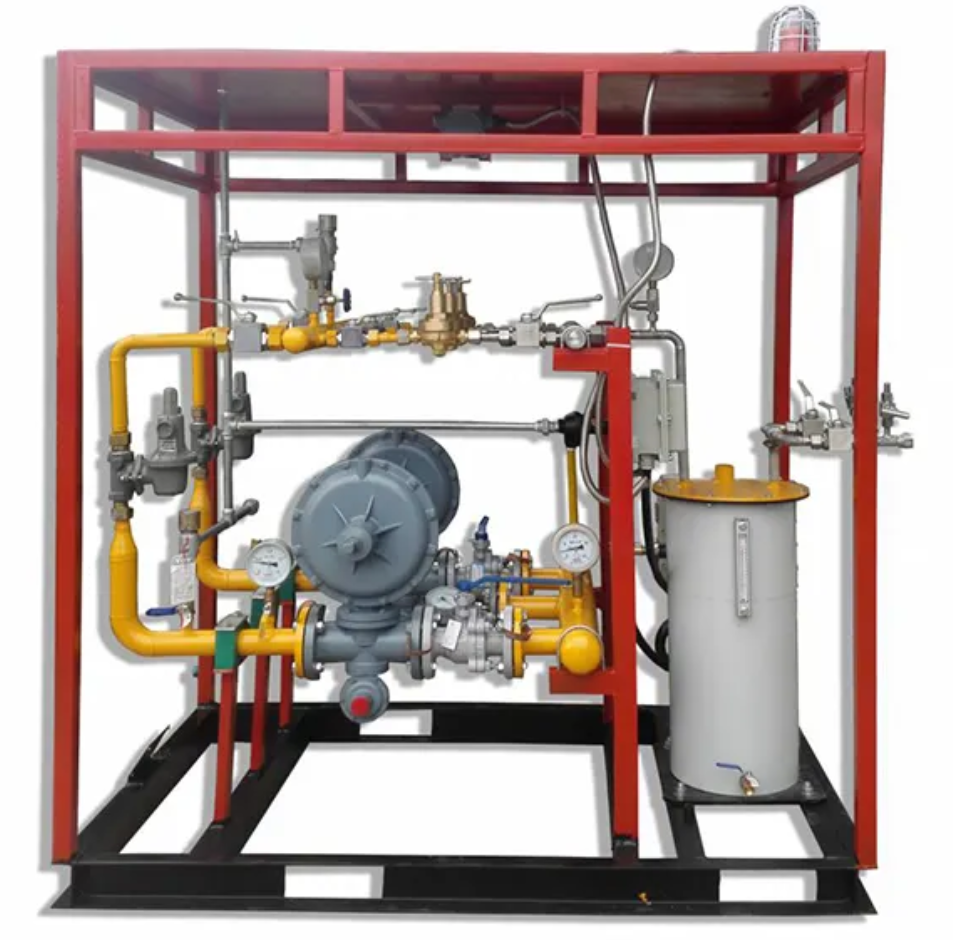
Once source noise is minimized, the next line of defense is to contain and dampen the remaining sound energy. This involves treating the station's acoustic enclosure and its structural connections. A highly effective method is the installation of acoustic insulation lagging on valves, piping, and the vessel body. This typically consists of a dense mineral wool layer for sound absorption, wrapped with a limp-mass barrier (like lead-loaded vinyl) to block sound transmission, all contained within a durable aluminum or stainless steel jacket. For the entire skid, a modular acoustic enclosure or noise hood can be engineered. These enclosures are lined with perforated acoustic panels and sound-absorbing materials, designed to allow ventilation and maintenance access while providing substantial insertion loss. Crucially, vibration isolation must be addressed. This involves mounting noisy equipment like valves on inertia bases or using flexible bellows and connectors in the piping to prevent structure-borne noise from traveling along pipe racks and foundations. This multi-layered containment strategy physically traps and dissipates sound energy, preventing it from reaching plant personnel and neighboring communities.
System Design and Operational Strategies for Quiet Operation
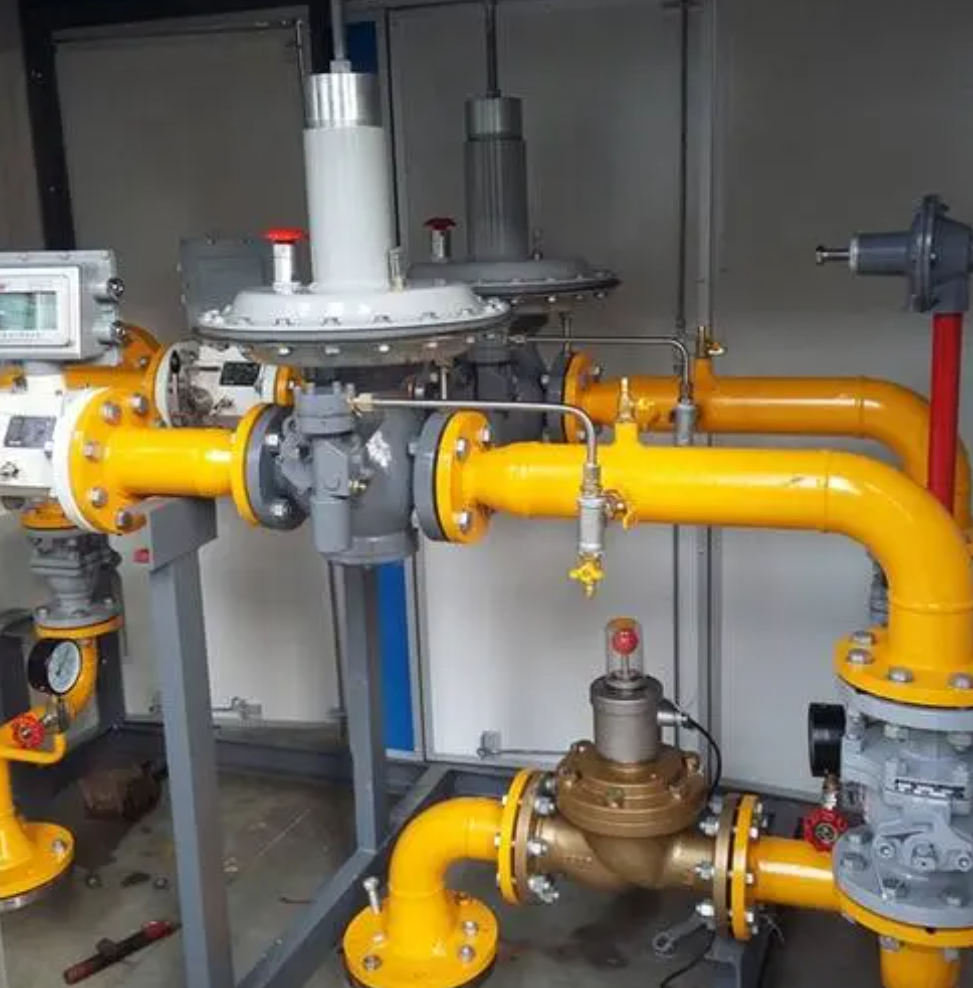
Beyond individual components, the overall system design and operational philosophy play a decisive role in long-term noise management. A primary strategy is to avoid oversizing the pressure reducing valve. An excessively large valve operating at a very low percentage of its capacity forces the flow through a small, unstable opening, creating severe cavitation and noise. Selecting a correctly sized valve, or using two smaller valves in a cascade or split-range configuration, ensures each operates in its optimal, quieter control range. Incorporating downstream pipe sizing is also critical; expanding the pipe diameter immediately after the valve reduces the flow velocity, thereby lowering noise generation and propagation. For stations with variable loads, implementing a lead-lag control system that sequences multiple PRVs can keep individual valves out of noisy, low-flow regimes. Finally, specifying equipment with low-vibration characteristics, such as heavy-wall piping near valves and robust skid framing, minimizes resonant surfaces. This holistic approach, integrating process engineering with mechanical design, ensures the station operates as quietly as possible across its entire duty cycle, not just at a single design point.
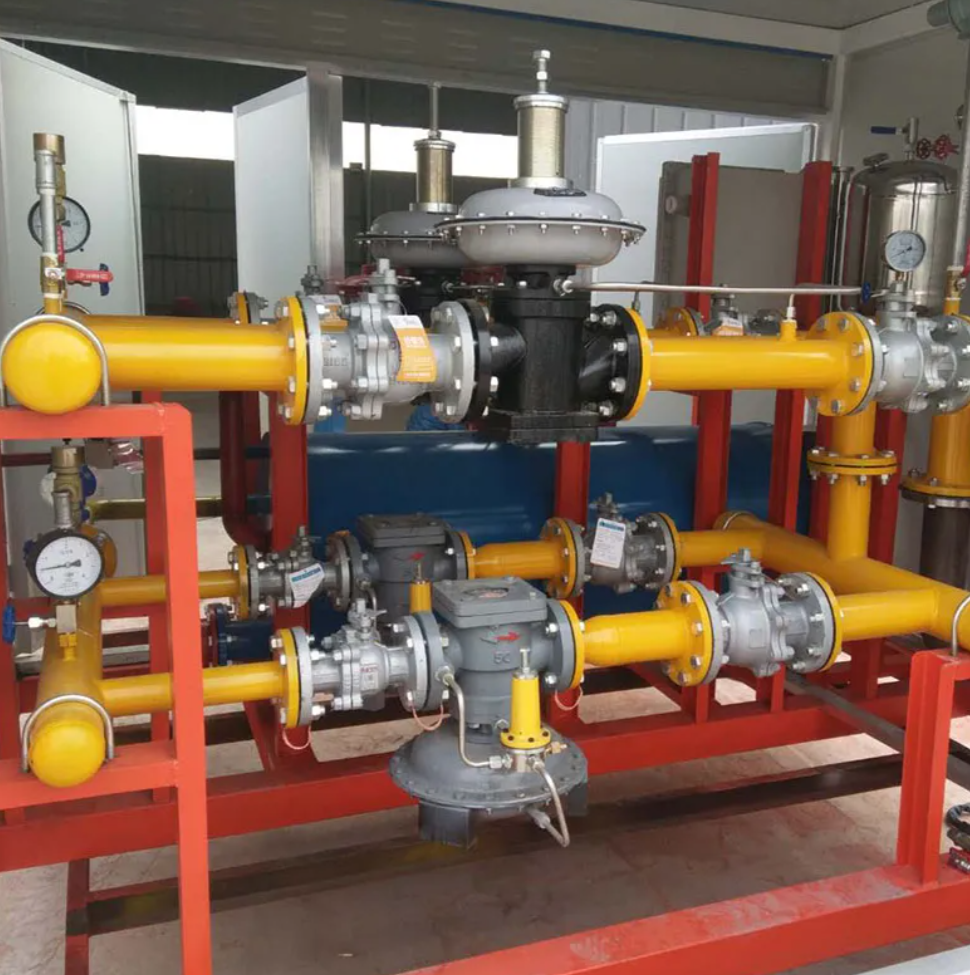
Effective noise reduction for Pressure Reducing Stations is not achieved by a single measure but through a comprehensive, layered strategy. It begins with source control through advanced valve technology, proceeds with effective containment via acoustic insulation and enclosures, and is solidified by intelligent system design that promotes quiet operation. For operators facing stringent workplace and environmental noise regulations, partnering with an experienced skid manufacturer like Shenqi Machinery, which integrates these techniques from the initial design phase, is essential. The result is a station that not only meets performance and safety standards but also demonstrates a commitment to environmental stewardship and workforce well-being, ensuring reliable and compliant operation for years to come.