


What Can Affect Pressure Stability In Steam Pressure Control Systems
2026-04-22 15:27Pressure stability in steam pressure control systems depends on more than setting a target outlet pressure. Official steam guidance from TLV and Spirax Sarco shows that valve type, valve sizing, piping layout, sensing arrangement, steam quality, and condensate removal all directly affect control behavior. When one of these elements is wrong, pressure fluctuation, hunting, poor response, and unstable downstream conditions are much more likely.
Valve Type And Sizing
Pilot-operated reducing valves generally offer tighter control than simpler direct-operated arrangements when load changes are frequent. Stable control also depends on choosing a valve that matches the real load range, not only the nominal line size. If the valve is too small, pressure can collapse under load; if the selection logic is poor, the system may hunt during demand changes.
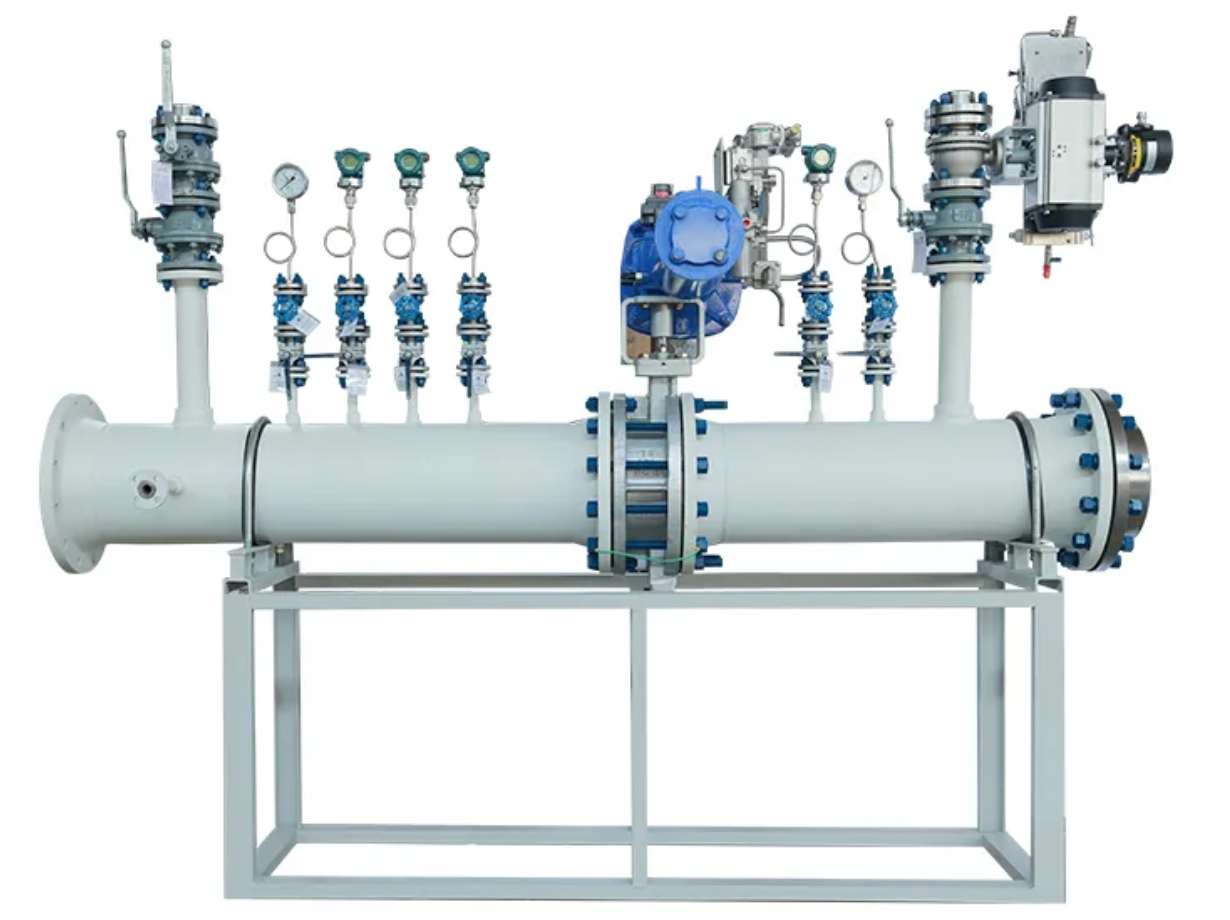
Piping And Sensing Layout
Steam control stability is strongly affected by straight-pipe length, pressure-sensing location, and how the control section is installed relative to elbows and disturbances. Bad layout can create false sensing, turbulence, and unstable downstream control even if the valve itself is technically correct.
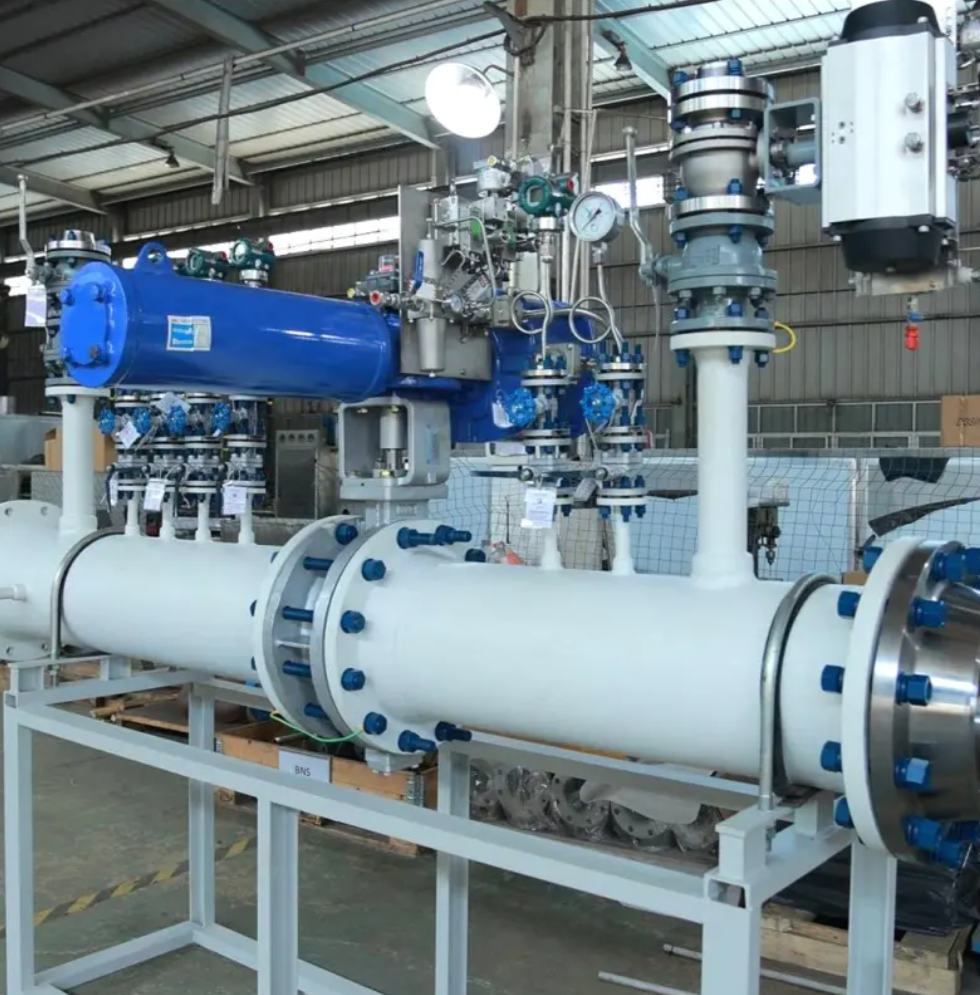
Steam Quality And Condensate
Wet steam and poor condensate management shorten valve life and reduce pressure stability. TLV explicitly notes that steam containing entrained condensate and scale reduces productivity and shortens pressure reducing valve life, while separator-and-trap arrangements are used to improve steam dryness before control.
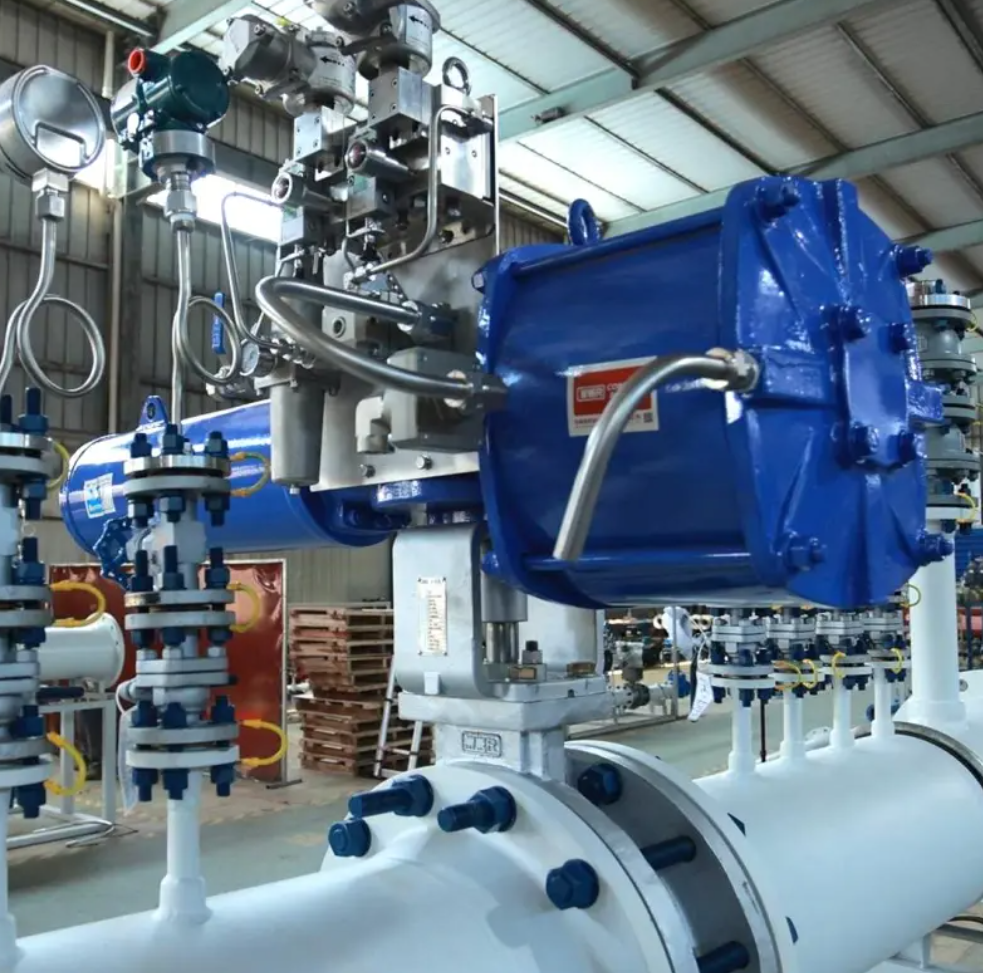
If pressure stability matters, the steam control system must be treated as a complete control environment rather than a single valve. Correct valve selection, proper piping and sensing arrangement, and dry steam with good condensate removal are the three factors that most often determine whether the system runs smoothly over time.