


What is a Carbon Steel Pressure Vessel
2026-03-22 16:06What is a Carbon Steel Pressure Vessel
Definition, Function, and Fundamental Role in Industry
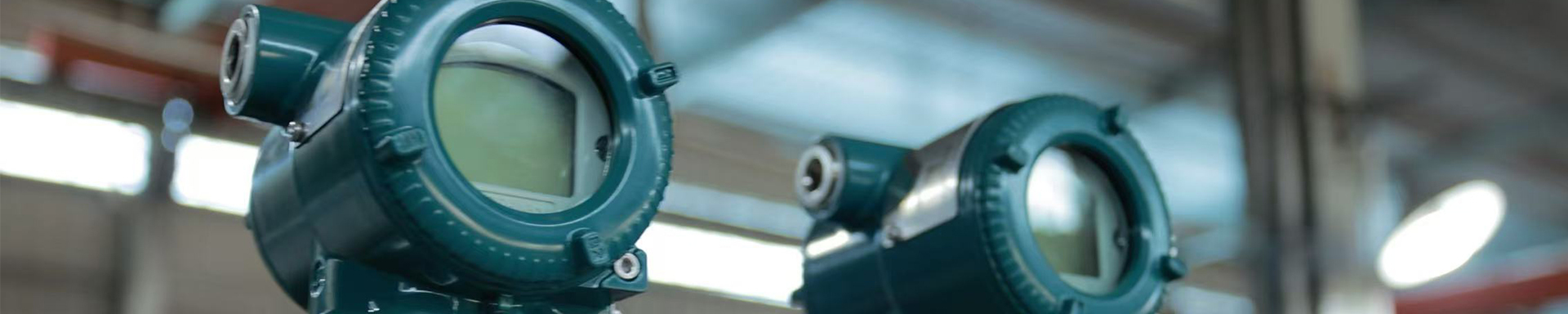
A carbon steel pressure vessel is a specialized, closed container meticulously engineered to hold gases or liquids at a pressure substantially different from the ambient pressure. Its primary function is to safely contain, store, or process fluids under pressure within an industrial setting. Unlike standard tanks, these vessels are designed and constructed to strict international and national codes (such as ASME Boiler and Pressure Vessel Code, GB150, or PED) to ensure structural integrity and operational safety under demanding conditions. The "carbon steel" designation refers to the primary material of construction—an alloy of iron and carbon—chosen for its excellent combination of mechanical strength, ductility, weldability, and cost-effectiveness. In facilities engineered and supplied by firms like Shanghai Shenqi Machinery, these vessels serve as critical components within larger systems. They act as receivers, separators, reactors, or storage units in applications ranging from oil and gas processing (e.g., separators, scrubbers) and chemical manufacturing (e.g., reactors, mix tanks) to power generation (e.g., deaerators) and compressed air systems. They are the foundational, robust "shells" that enable essential industrial processes by providing a secure boundary for pressurized operations, directly embodying the principles of functionalization and reliable equipment manufacturing.
Design Principles, Construction, and Material Advantages
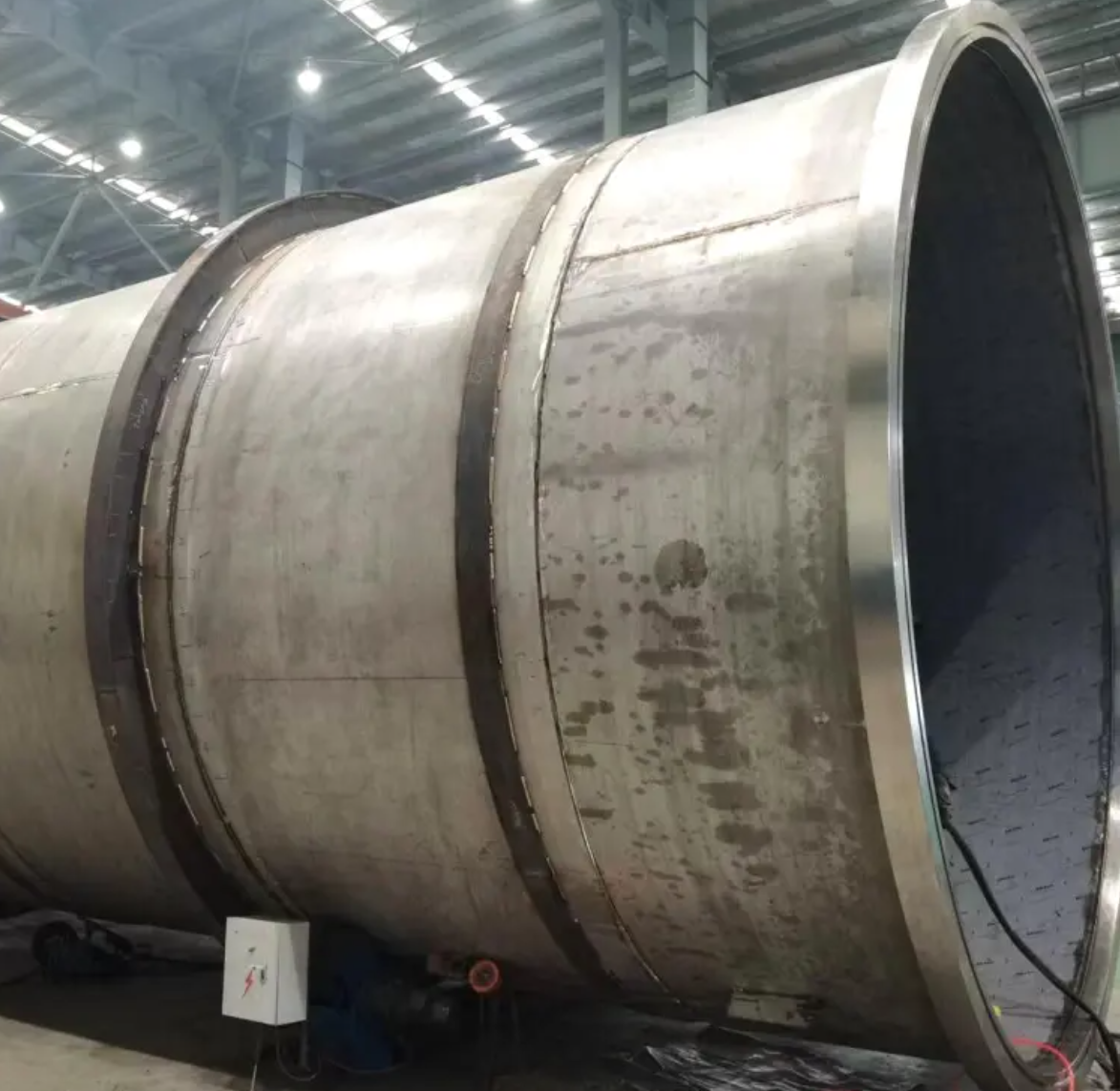
The design and fabrication of a carbon steel pressure vessel are governed by rigorous engineering principles focused on safety, durability, and fitness-for-service. The process begins with detailed calculations to determine the optimal wall thickness, head design (dished, elliptical, or hemispherical), and nozzle reinforcements, all based on the maximum allowable working pressure (MAWP), design temperature, and the specific fluid properties (corrosivity, toxicity). The choice of carbon steel—typically grades like Q345R (GB standard) or SA-516 Gr. 70 (ASME standard)—strikes a vital balance. It provides high tensile and yield strength to withstand internal pressure, good toughness to resist brittle fracture, and superior manufacturability, allowing for precise forming, cutting, and welding. During construction, rolled and formed steel plates are joined using advanced welding techniques, followed by critical post-weld heat treatment (PWHT) to relieve stresses and normalize the material structure. Non-destructive testing (NDT) methods, including Radiographic Testing (RT) and Ultrasonic Testing (UT), are employed to verify the integrity of every weld seam. The inherent advantages of carbon steel for such vessels are manifold: it offers a proven cost-to-performance ratio, making large-volume or high-pressure containment economically feasible; it exhibits reliable long-term performance across a wide temperature range; and its ease of fabrication and repair simplifies both initial manufacturing and in-service maintenance, contributing to the overall lifecycle value and reliability of the skid-mounted modules or process systems in which they are installed.
Applications, Integration, and Safety Assurance
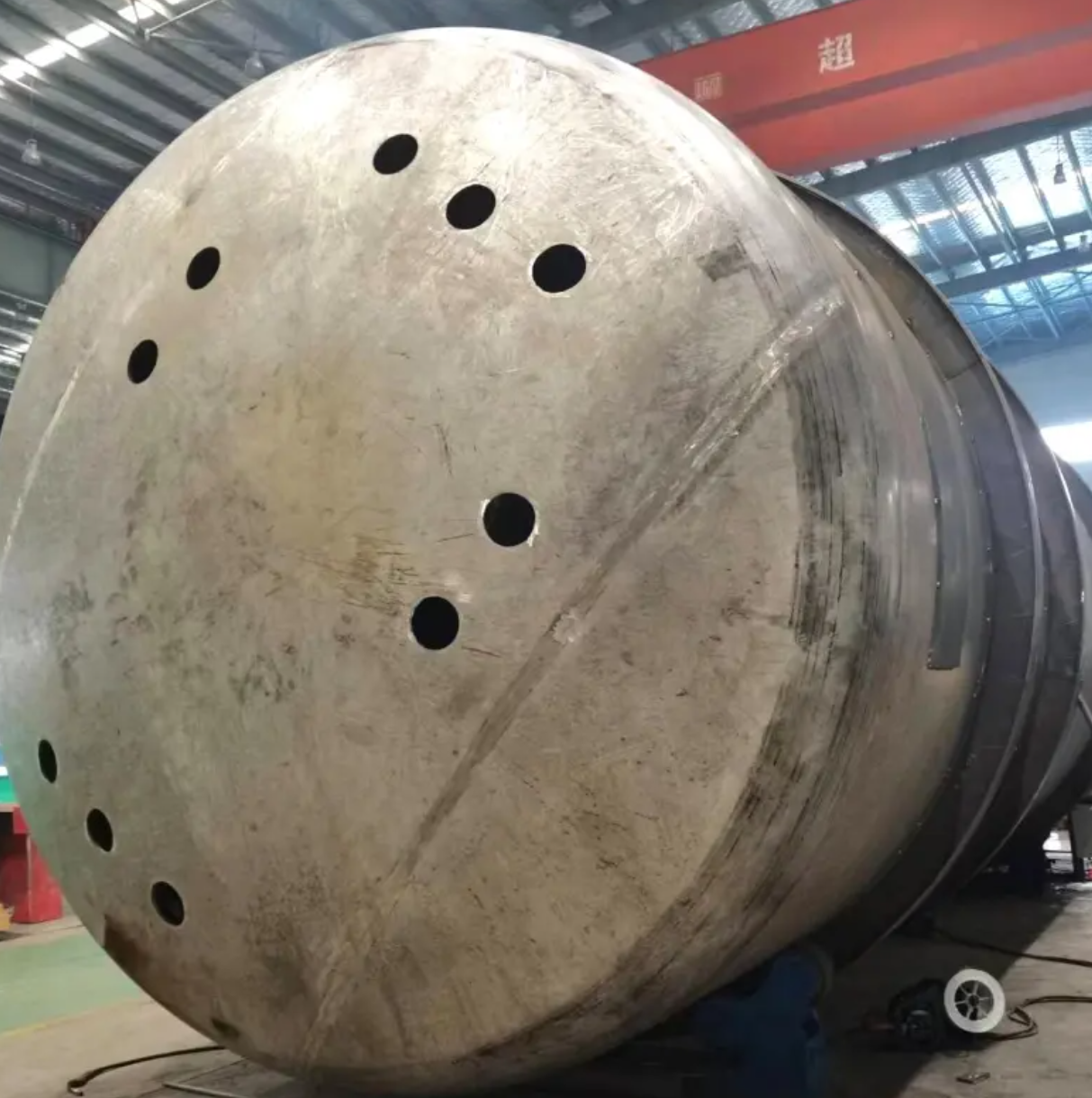
Within modern industrial plants, carbon steel pressure vessels are rarely standalone items; they are integral, interconnected components within sophisticated process trains or skid-mounted packages. In a natural gas pre-treatment skid, for instance, a carbon steel vessel may serve as a filter separator, removing liquids and solids from the gas stream. In a chemical injection skid, it functions as a day tank or a mixing vessel for additives. In compressed air systems, it acts as a receiver tank to stabilize pressure and dampen pulsations. The design of these vessels is precisely tailored to their duty. Internal fittings like baffle plates, demister pads, or agitators are added as needed. Their integration is seamless: nozzles are precisely located for connection to inlet/outlet piping, instrument taps, and relief devices, forming a cohesive part of the prefabricated unit. The paramount consideration throughout is safety assurance. Beyond design codes, vessels are equipped with essential safety attachments: pressure relief valves to prevent overpressure, level gauges, and pressure gauges for operational monitoring. The entire vessel undergoes a final hydrostatic test at pressures exceeding its MAWP to prove its structural integrity before it leaves the workshop. This rigorous design, fabrication, and testing regimen ensures that a carbon steel pressure vessel from a qualified manufacturer provides a dependable, long-service-life containment solution, forming a safe and robust core for countless industrial processes.
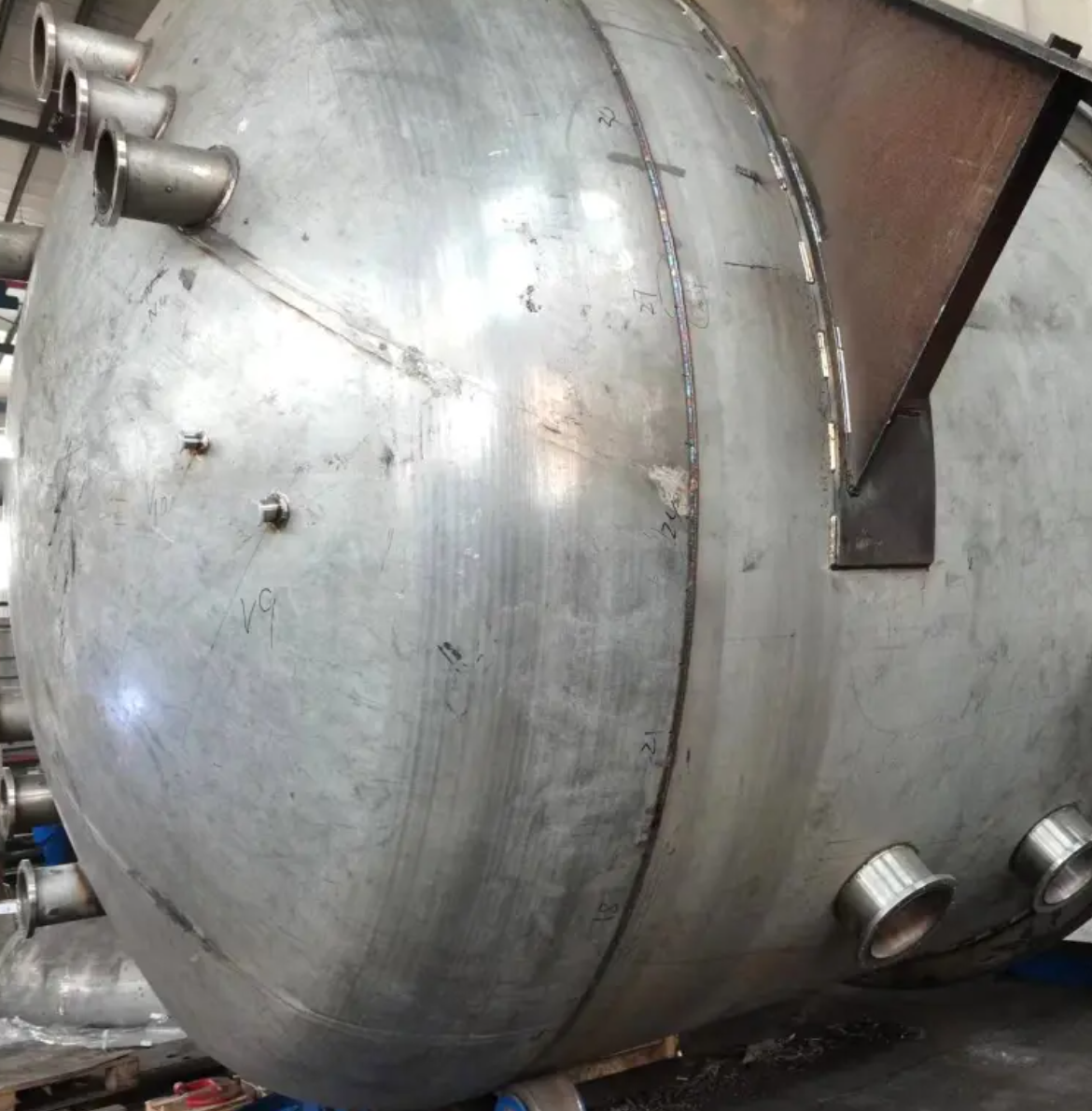
In summary, a carbon steel pressure vessel is far more than a simple metal tank. It is a precision-engineered, code-compliant containment system that forms a critical, reliable node in industrial fluid handling. Its design leverages the proven strength and workability of carbon steel to deliver a safe, durable, and cost-effective solution for operating under pressure. From its initial design calculations and meticulous fabrication to its final integration and safety validation, every aspect is controlled to ensure unwavering integrity. Whether functioning as a standalone storage unit or as the heart of a complex skid-mounted module, the carbon steel pressure vessel's role is indispensable. It safely enables the separation, reaction, storage, and conditioning of process media, providing the foundational infrastructure upon which countless industries rely for efficient, continuous, and safe operation. Its reliable performance is a testament to advanced manufacturing and a cornerstone of modern industrial plant design.