



What is a Chemical Process Pump Skid
2026-03-23 16:13What is a Chemical Process Pump Skid
The Integrated Core of Precision Fluid Handling
A chemical process pump skid is a prefabricated, modular, and self-contained unit specifically engineered to store, prepare, transfer, and precisely meter chemicals or process fluids within an industrial system. It is far more than a simple pump on a baseplate; it is an integrated fluid handling package that consolidates multiple critical components into a single, compact, and pre-tested assembly. At its heart is the pumping module—often featuring robust, chemically compatible pumps such as diaphragm, piston, or centrifugal pumps—selected based on the fluid's properties, required flow rates, and discharge pressures. This core is seamlessly integrated with auxiliary equipment essential for controlled operation: chemical storage tanks or day tanks, agitators for mixing, precision metering instruments, filtration units, pressure regulators, and a comprehensive network of valves and piping. The entire assembly is mounted on a rigid, single-lift structural steel frame—the "skid"—which provides stability, facilitates transportation, and allows for rapid connection to plant utilities upon delivery. This turnkey approach transforms a complex, multi-component fluid handling task into a reliable, "plug-and-play" system, ensuring accurate, safe, and automated chemical delivery for applications ranging from water treatment and oilfield operations to pharmaceutical and food processing.
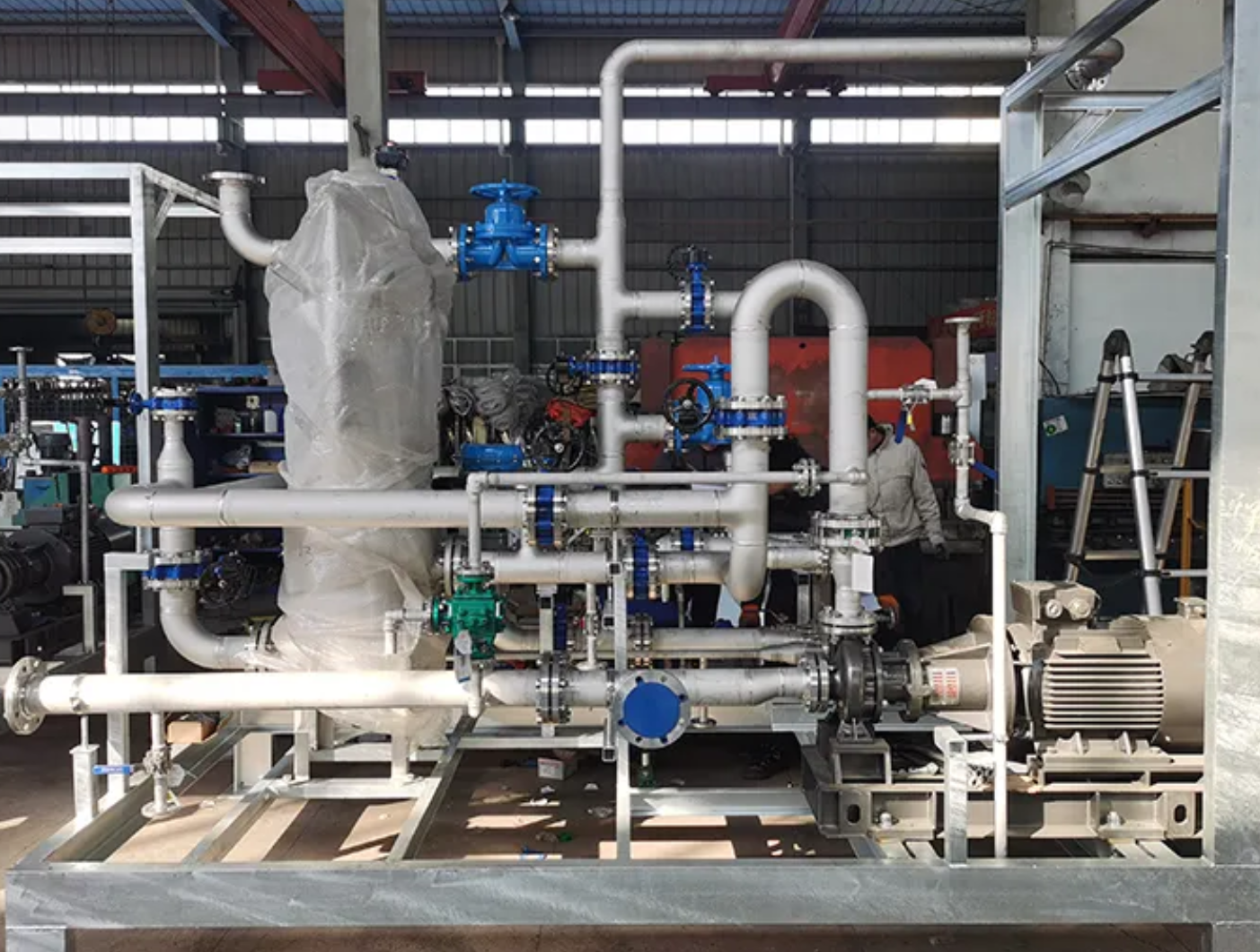
Design Excellence: Customization, Safety, and Control
The design and construction of a chemical process pump skid are driven by the specific demands of the application, prioritizing safety, accuracy, and durability. Material compatibility is paramount. All wetted parts—including pump heads, seals, tank linings, valves, and piping—are meticulously selected from corrosion-resistant materials such as stainless steel (SS316L), Hastelloy, PVC, CPVC, or PTFE-lined steel to ensure integrity and prevent contamination when handling aggressive acids, bases, solvents, or high-purity fluids. Safety and containment are engineered into the skid's design. Features may include secondary containment drip trays, emergency shower/eyewash stations, ventilation, leak detection sensors, and pressure relief systems, forming a primary barrier against spills and operator exposure. The control and instrumentation package elevates the system from manual to intelligent operation. It typically incorporates a PLC (Programmable Logic Controller) or dedicated controller, flow meters, level transmitters, and pressure sensors. This allows for automated, repeatable dosing based on process signals (like flow-proportional injection), real-time monitoring, data logging, and remote alarm capabilities. The entire unit is pre-wired and pre-piped, with all components laid out for optimal accessibility and maintenance. This meticulous, application-specific engineering, performed in a controlled fabrication shop, guarantees a higher quality, more reliable, and safer outcome compared to field-assembled alternatives, directly aligning with the core competencies of integrated skid manufacturers.
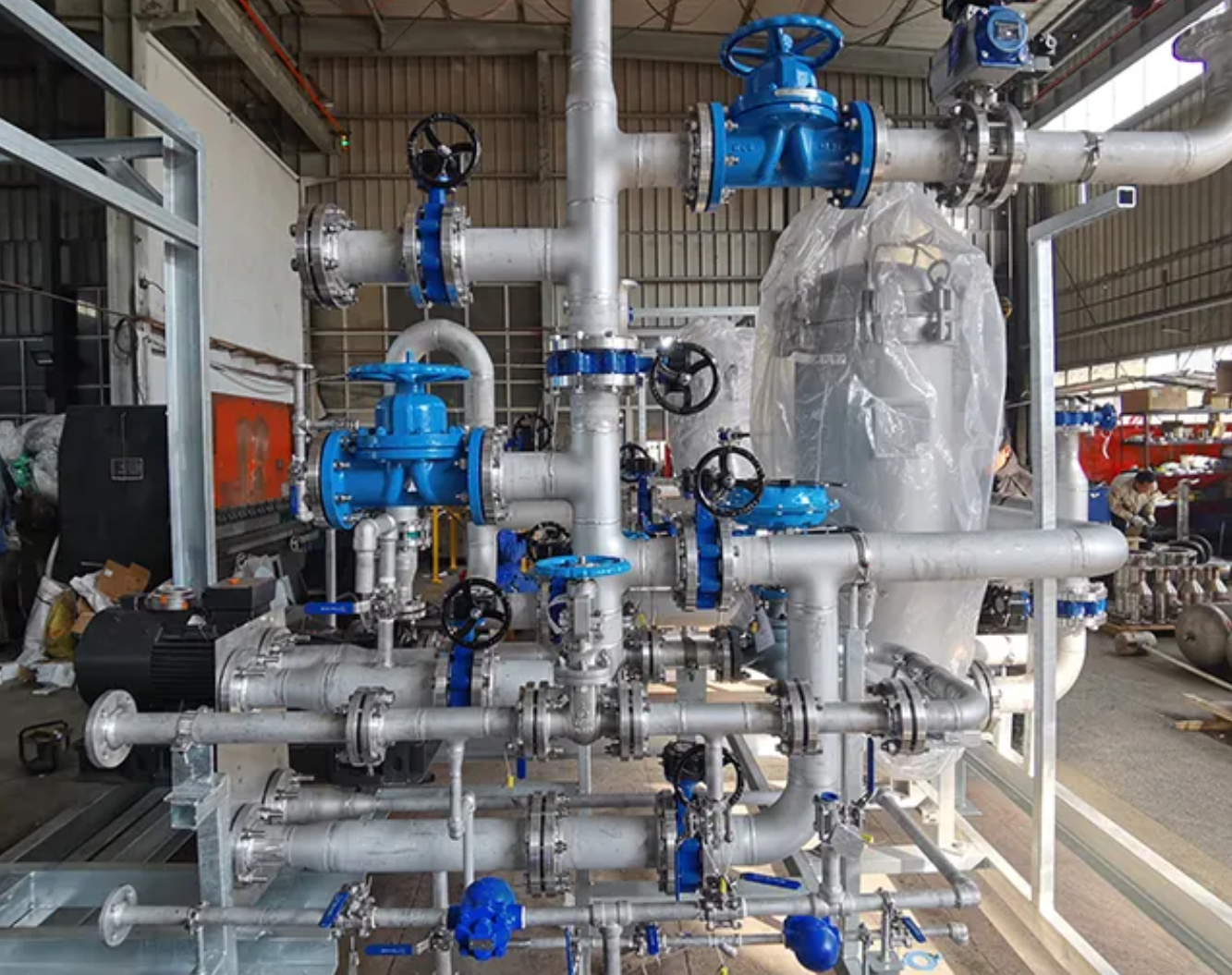
Key Applications and Operational Benefits
The versatility of chemical process pump skids makes them indispensable across a wide spectrum of industries where precise fluid management is critical. In water and wastewater treatment, they are the backbone for dosing coagulants, flocculants, pH adjusters, and disinfectants. In the oil and gas industry, they are deployed as chemical injection skids to pump scale inhibitors, corrosion inhibitors, biocides, and demulsifiers into wells, pipelines, and processing facilities. Power plants utilize them for boiler feedwater treatment (oxygen scavengers, alkalinity builders) and flue gas desulfurization. In manufacturing and chemical processing, they handle catalyst addition, raw material feeding, and product blending. The operational benefits of employing a skid-mounted solution are substantial. They offer accelerated project timelines through parallel site and shop work, leading to faster commissioning. They ensure superior quality and consistency via controlled shop fabrication and comprehensive Factory Acceptance Testing (FAT), which validates every pump curve, control sequence, and safety interlock before shipment. This results in reduced on-site risk and labor, as most complex assembly and testing are completed off-site. Furthermore, they provide enhanced operational safety with integrated safeguards and greater flexibility, as the skid can be easily relocated or repurposed as plant needs evolve. This combination of reliability, safety, and efficiency makes the chemical process pump skid a strategic asset for optimizing process performance and total cost of ownership.
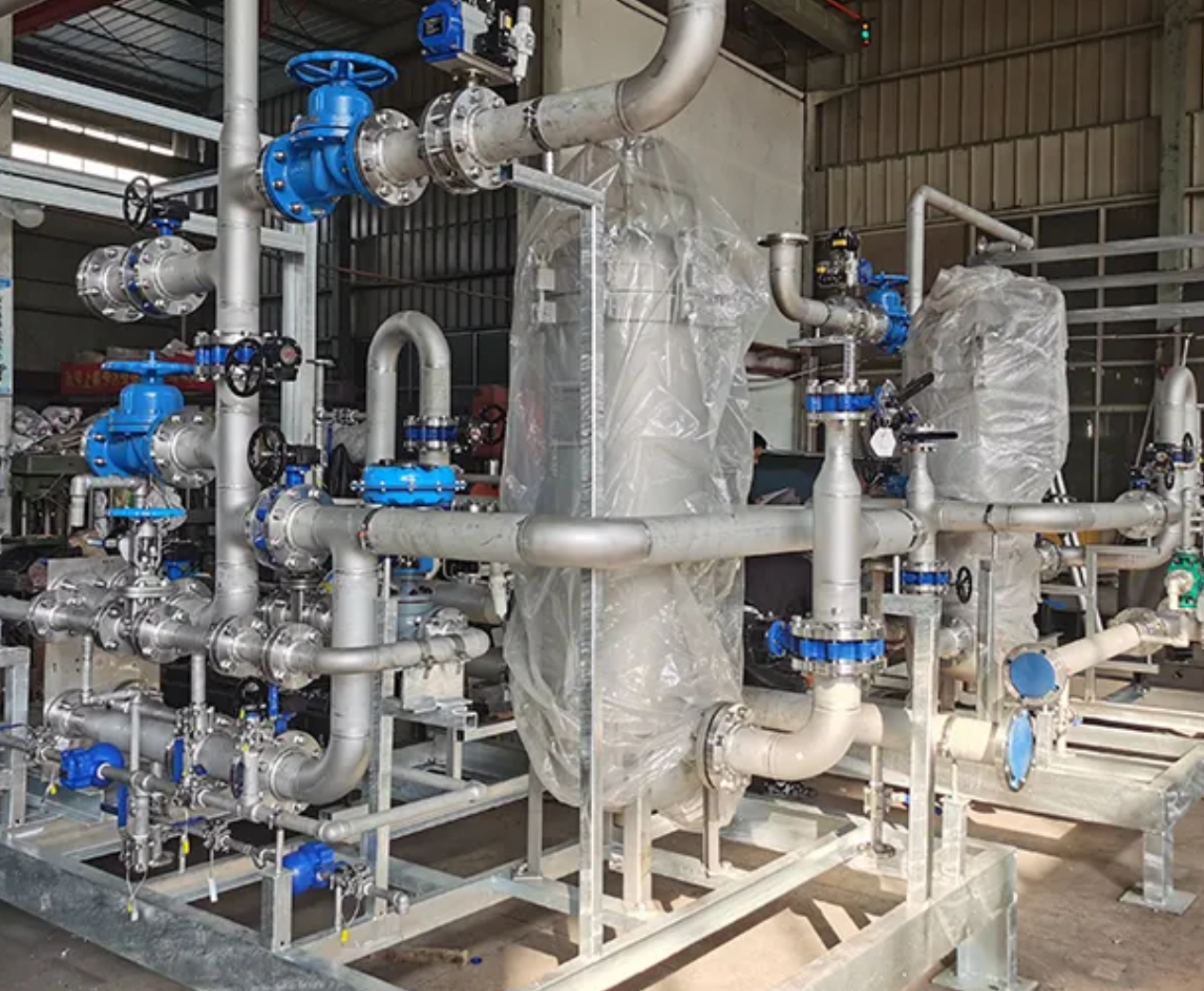
In conclusion, a chemical process pump skid is a masterfully integrated engineering solution that transcends the sum of its parts. It is a purpose-built, automated fluid handling system that delivers precision, safety, and reliability for the controlled management of industrial chemicals. By consolidating pumps, tanks, controls, and safety features onto a single, pre-fabricated platform, it eliminates the complexities and inconsistencies of field assembly. The result is a robust, code-compliant, and performance-guaranteed package that reduces project risk, accelerates time-to-operation, and ensures consistent process results. For industries where accurate chemical addition is vital to product quality, operational safety, and regulatory compliance, the chemical process pump skid is not merely a piece of equipment—it is a foundational component of modern, efficient, and responsible plant operation. It embodies the shift towards smart, modular, and off-site fabricated industrial systems that deliver certainty in an uncertain project landscape.