



What is a Main/Primary Gas Pressure Regulating Valve
2026-03-24 16:17What is a Main/Primary Gas Pressure Regulating Valve
The Essential Control Point: Core Function and System Role
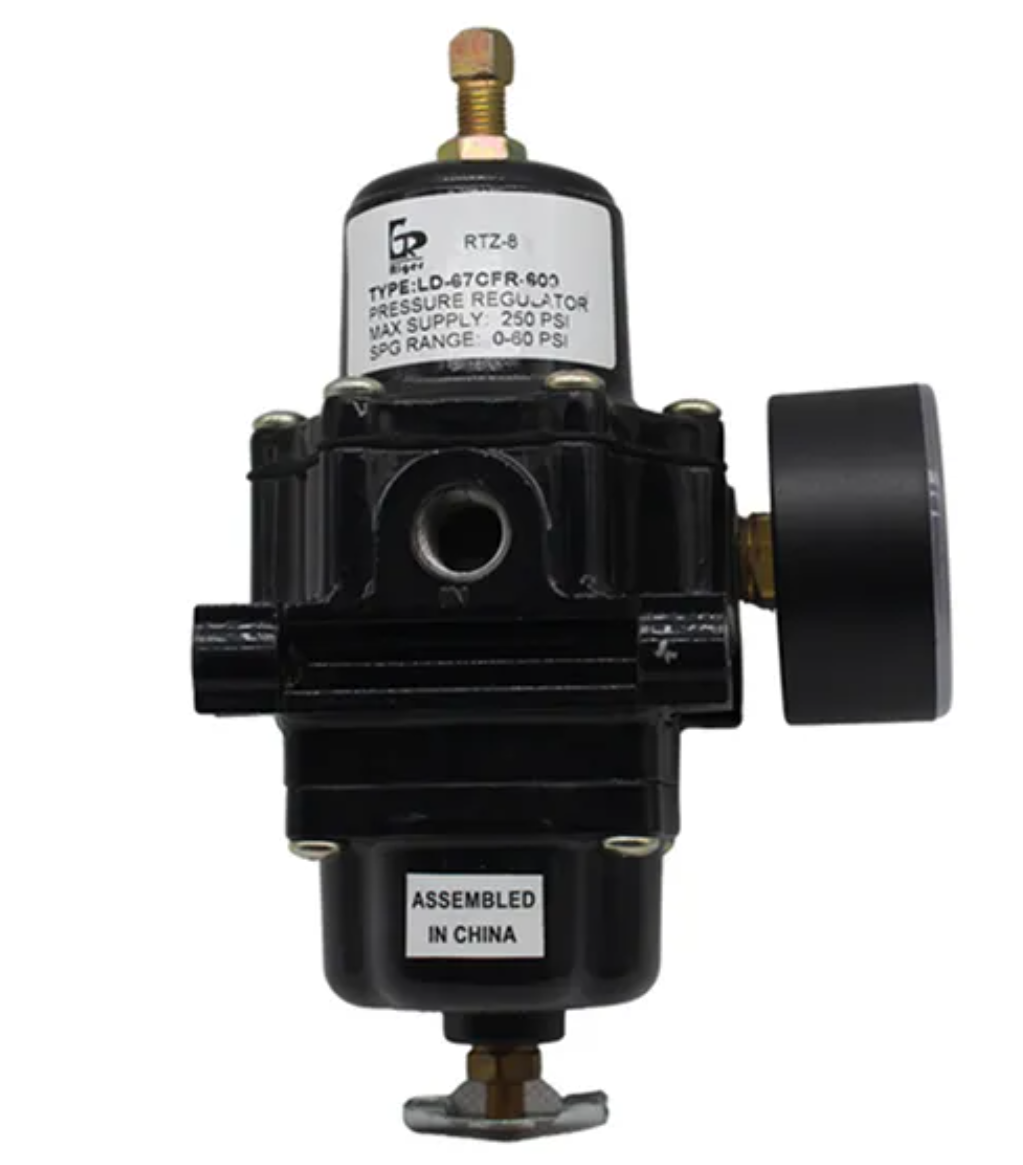
A Main or Primary Gas Pressure Regulating Valve is the central, actively controlling component within a gas pressure regulation system, tasked with performing the principal, bulk reduction of pressure from a high, variable inlet source to a lower, controlled outlet pressure. It is the "first responder" and primary workhorse, establishing the fundamental pressure setpoint for the downstream network or process. Unlike auxiliary valves or safety devices, its core function is continuous, automatic modulation. It achieves this through an internal mechanism—typically a spring opposing a diaphragm that senses the outlet pressure—which constantly adjusts the valve's orifice to maintain the desired downstream pressure despite fluctuations in inlet pressure or changes in flow demand. In a system engineered by specialists, this valve is strategically positioned as the first major pressure control element after initial filtration. Its performance directly dictates the baseline stability upon which all downstream equipment—secondary regulators, flow meters, burners, or process heaters—depend. A precisely calibrated and appropriately sized main regulating valve is therefore fundamental to achieving consistent process conditions, ensuring equipment safety, and optimizing energy efficiency across the entire gas supply system. Its reliability is the cornerstone of the system's operational integrity.
Design Variations and Key Selection Parameters
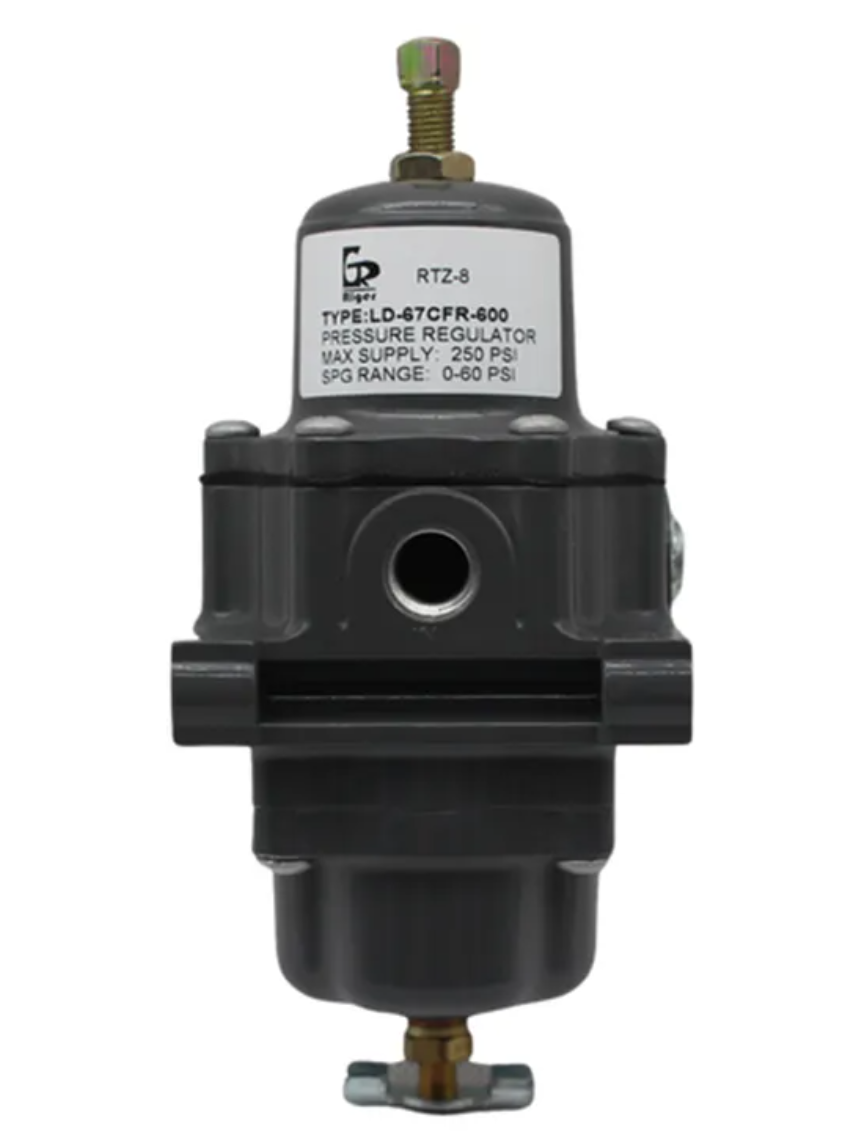
Main gas pressure regulating valves are not one-size-fits-all; they are engineered in specific types and configurations to match application demands. The primary distinction lies in their operating mechanism. Direct-operated (spring-loaded) regulators are common for simpler duties with moderate flow and pressure drop. They are self-contained, using the force balance between the outlet pressure (acting on the diaphragm) and a pre-set spring to position the valve plug. For larger systems, higher capacities, or applications requiring tighter control, pilot-operated regulators are employed. Here, a small pilot valve senses the outlet pressure and uses the gas pressure itself to amplify force and control the larger main valve. This design offers superior accuracy, larger flow capacity, and less droop under changing loads. Selecting the correct main regulator requires careful analysis of key parameters: the Maximum Inlet Pressure (P1) and required Outlet Pressure (P2), the Maximum and Minimum Flow Rates (Qmax, Qmin), and the Pressure Drop (ΔP) across the valve. The valve's Flow Coefficient (Cv) must be sized to handle the required flow without instability. Material compatibility is critical: body and trim materials (e.g., cast iron, ductile iron, carbon steel, stainless steel) and seal materials (e.g., Buna-N, Viton, PTFE) must be selected to withstand the gas composition, potential contaminants, and operating temperature. This precise selection ensures the valve will perform reliably, efficiently, and safely over its intended service life, forming a robust core for a prefabricated regulation skid.
Integration, Safety, and System Performance
Within a complete gas pressure regulation skid, the main regulating valve does not operate in isolation; it is the pivotal component integrated into a cohesive safety and control architecture. Immediately upstream, robust filtration is essential to protect the valve's precise internal components from particulates, liquids, and pipeline debris that could cause damage or erratic operation. Downstream, its stable output is critical for the accurate function of flow meters and control valves. Most importantly, the main regulator is the focal point for integrated safety systems. It is typically flanked by safety relief valves or slam-shut devices that act as independent, fail-safe protection. If the main regulator were to fail in the open position (allowing overpressure), the relief valve vents excess gas to atmosphere. A slam-shut device acts as a rapid, positive shut-off valve, isolating the system completely upon detection of a dangerously high or low downstream pressure. Furthermore, the main valve can be equipped with monitoring instruments—pressure gauges on its inlet and outlet—and tied into the skid's supervisory control system. This integration allows for remote monitoring of its performance, early detection of issues like creeping pressure, and historical data logging. The ultimate performance of the entire skid—its ability to deliver a safe, stable, and reliable gas supply—hinges on the correct selection, precise installation, and harmonious integration of this primary control element. It exemplifies the engineered, system-level approach to gas control solutions.
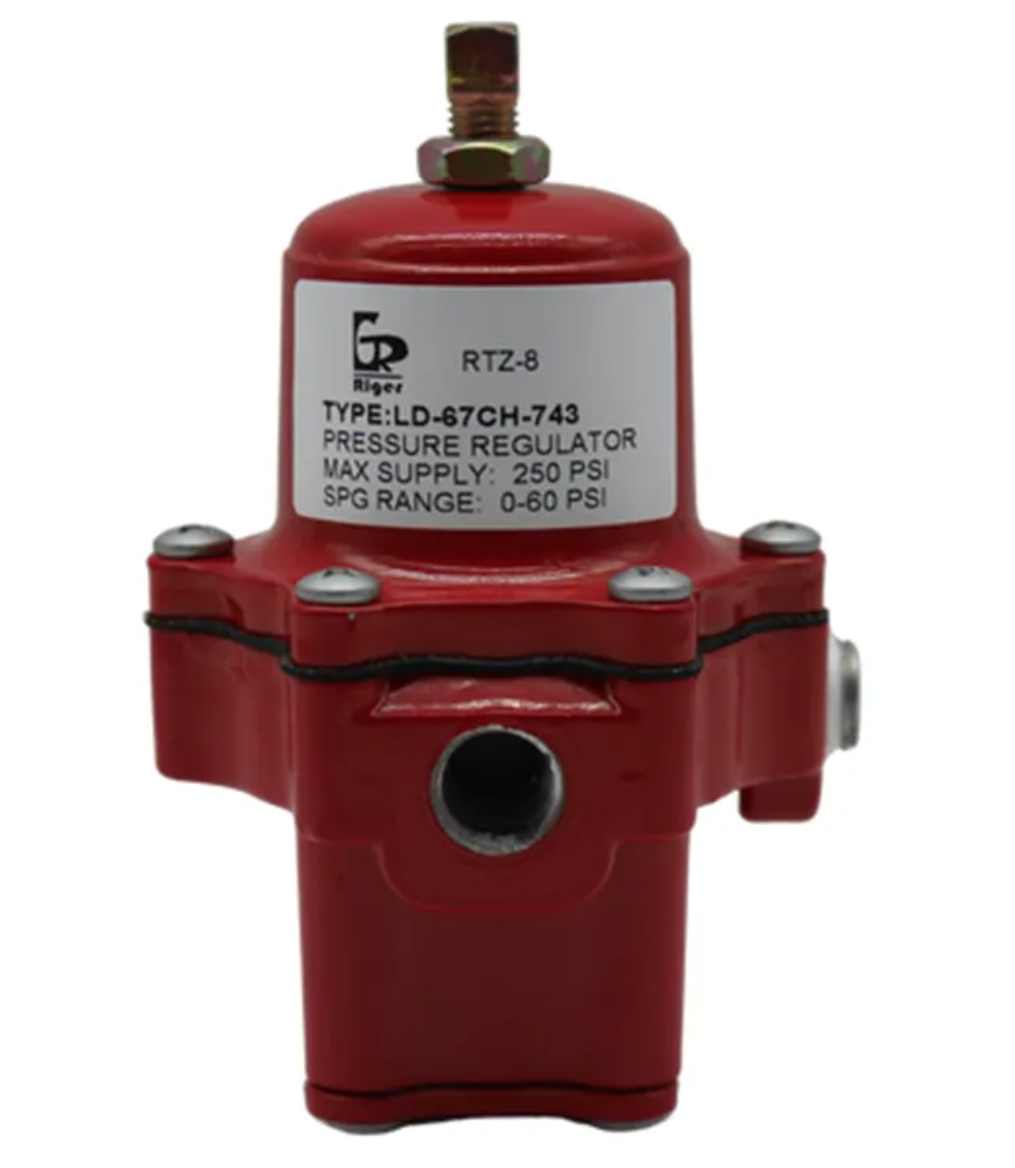
In summary, the main or primary gas pressure regulating valve is the intelligent, automated heart of a pressure control system. It is the dedicated component responsible for establishing and maintaining the target system pressure through continuous self-adjustment. Its design, selection, and integration are critical engineering decisions that determine the stability, efficiency, and safety of the entire downstream gas network. From a simple direct-operated valve to a sophisticated pilot-operated system, its proper application ensures that variable, high-pressure supply gas is transformed into a consistent, usable utility. When expertly incorporated into a prefabricated skid with appropriate safety redundancies and monitoring, it provides the dependable, precise, and safe pressure regulation that modern industrial and commercial gas applications fundamentally require. Understanding its function is key to specifying and operating effective gas pressure infrastructure.