

What Should Be Removed From Natural Gas Before Pressure Regulation And Metering
2026-04-28 15:52Natural gas usually contains more than methane. Emerson’s fiscal measurement and gas-distribution materials note that raw natural gas can contain water vapor, hydrogen sulfide, carbon dioxide, nitrogen, and other compounds, and that pipeline or downstream systems impose restrictions on acceptable gas composition. The same gas-distribution guidance also refers to upgrading processes that remove moisture, H2S, inerts, and other impurities before gas is injected or distributed.
Moisture
Moisture is one of the first things that should be controlled before pressure regulation and metering. Water causes condensation, corrosion, hydrate risk, and poor measurement reliability. In practical gas systems, drying is often a basic requirement before gas moves into regulation and measurement sections
Acid Gases And Corrosive Components
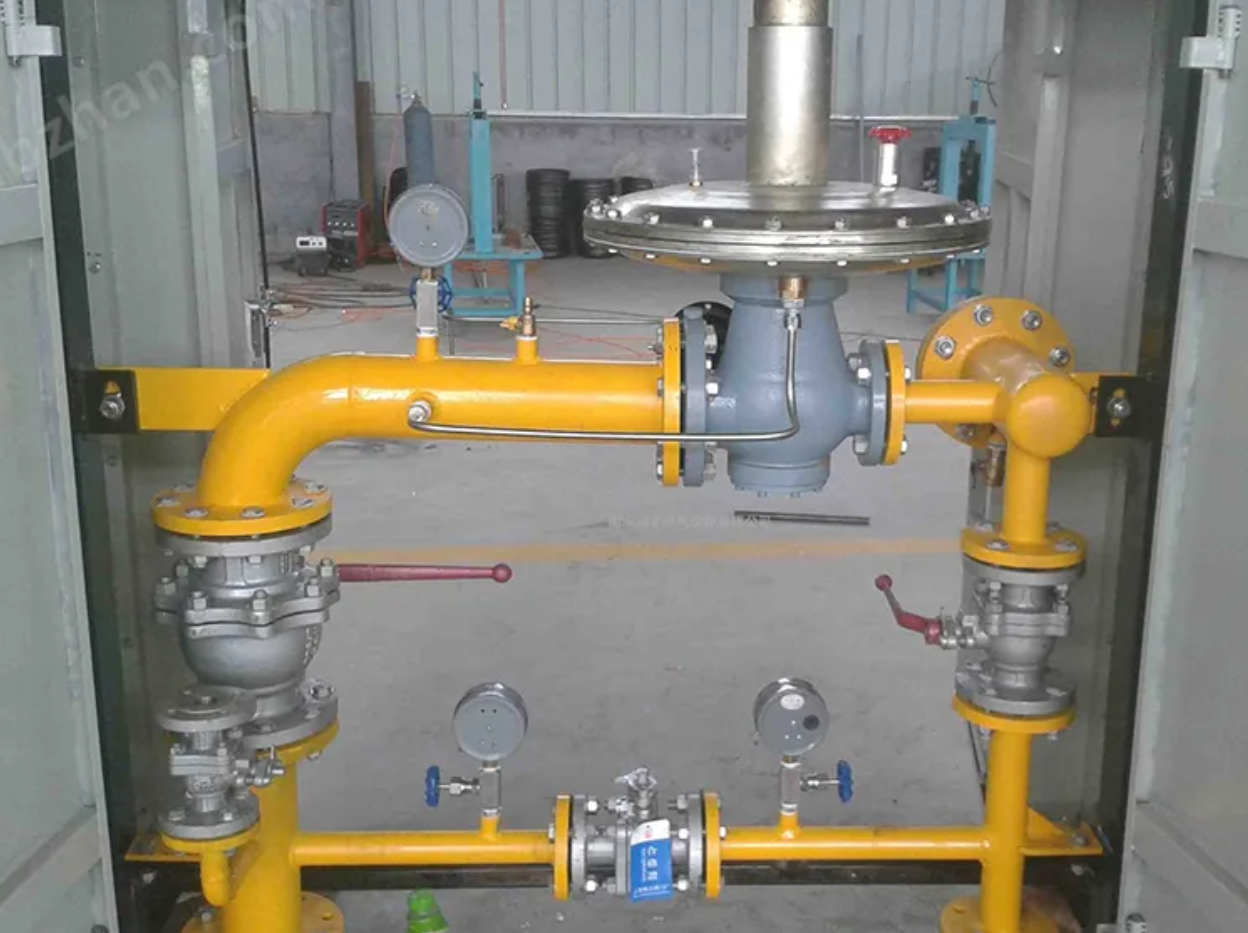
Hydrogen sulfide and carbon dioxide are key concerns because they affect corrosion, material compatibility, and gas quality. Emerson’s gas-quality materials and other technical references show that these components are commonly addressed in conditioning or upgrading before downstream use or pipeline entry.
Solids, Liquids, And Off-Spec Constituents
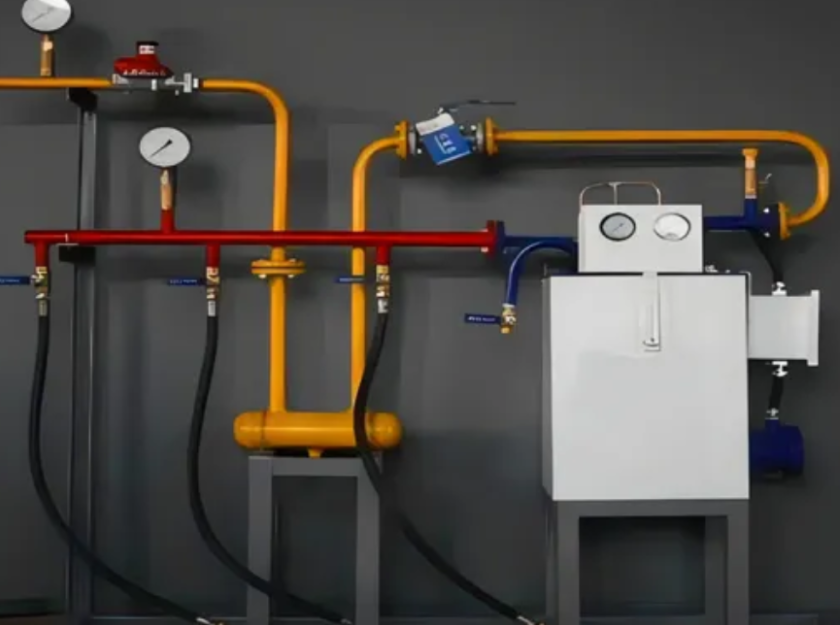
Particles, liquid carryover, and off-spec inert content can all damage regulators, reduce metering accuracy, or create unstable control conditions. Conditioning is therefore not only about meeting a gas-quality specification; it is also about protecting the regulation and metering hardware.
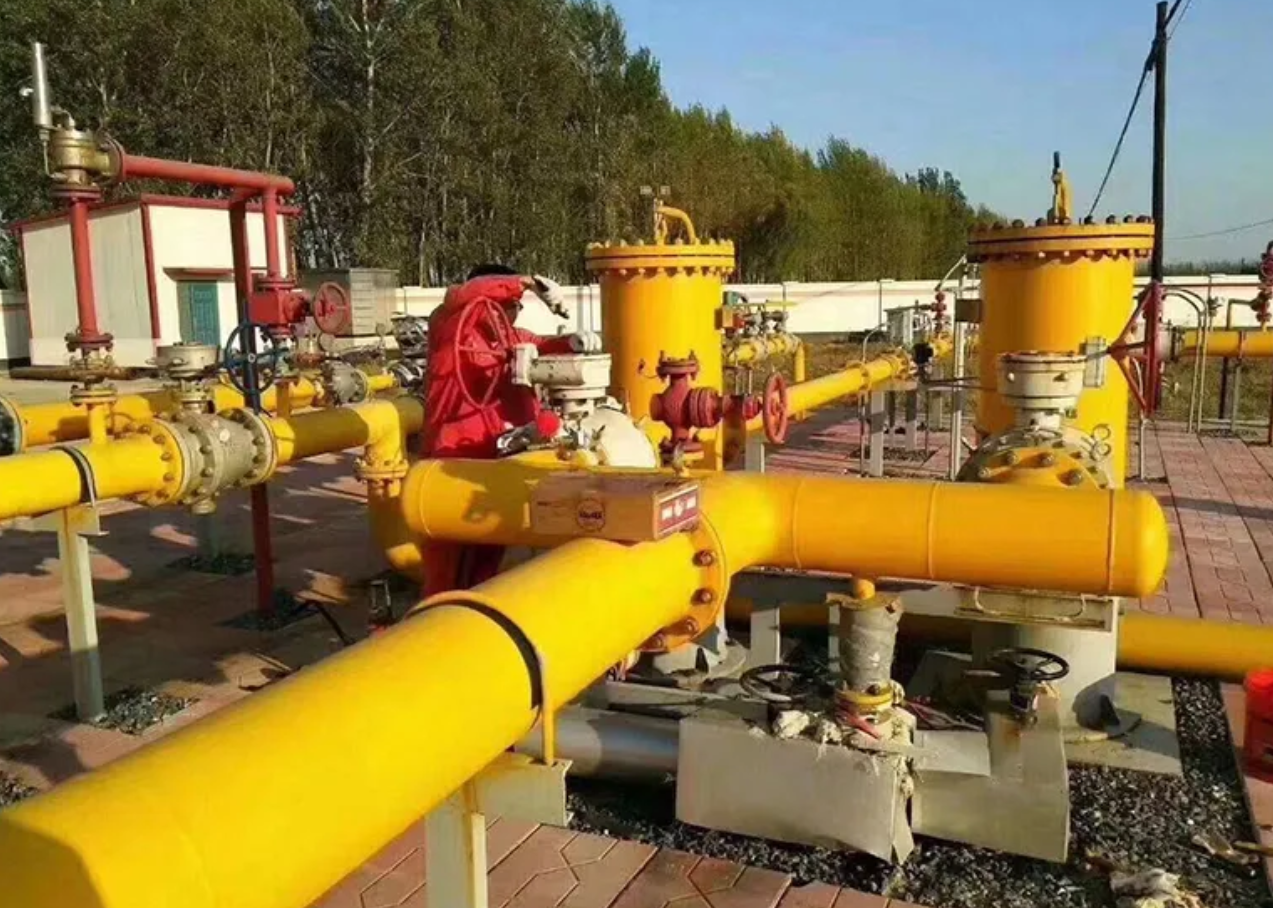
Before pressure regulation and metering, the most important things to remove or control are moisture, acid gases such as H2S and CO2, and solid or liquid contaminants that threaten equipment or measurement quality. Clean gas is not only a quality target; it is also a control and reliability requirement.