


Common Mistakes When Designing Custom Skid-Mounted Systems
2026-06-19 21:28Need A Custom Skid System Design Review?
Send us your medium, pressure, temperature, flow range, process purpose, control requirements, safety requirements, site layout, connection standard, and required documents. Our engineering team can help review the working conditions and provide a suitable custom skid-mounted system solution.
1. Designing The Skid Only By Pipe Size
One of the most common mistakes is designing a custom skid-mounted system only according to pipe diameter. Pipe size alone cannot define valve capacity, regulator selection, flow meter range, pressure drop, safety valve sizing, control response, or final skid layout.
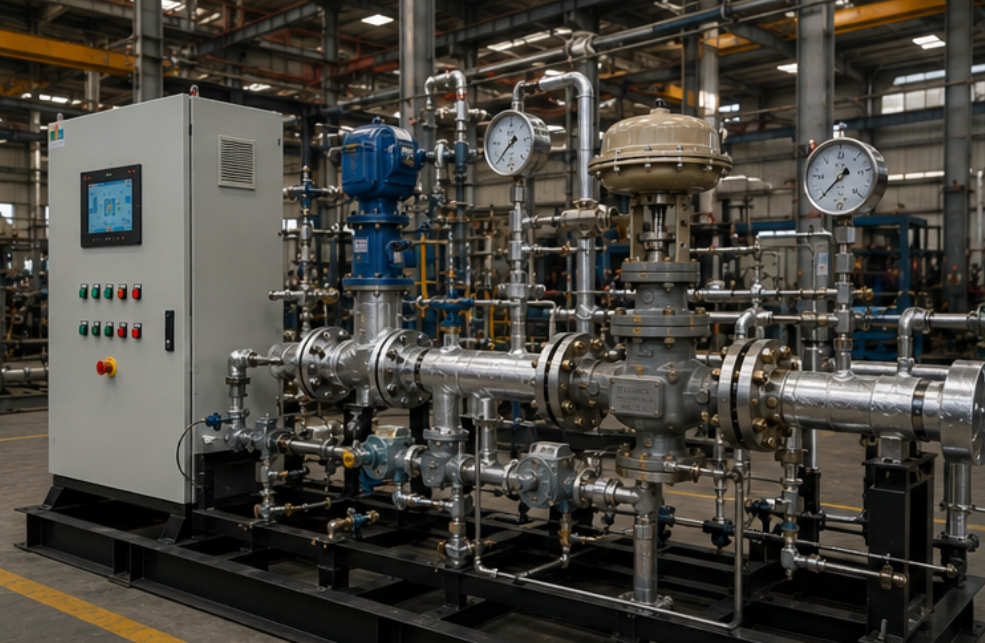
A gas regulating skid, steam pressure reducing skid, PRDS system, or metering skid must be designed according to real working conditions. The supplier needs medium type, pressure, temperature, minimum flow, normal flow, maximum flow, downstream equipment demand, and site interface information.
Correct Data To Prepare
Medium type and composition if available.
Inlet pressure, outlet pressure, and pressure drop.
Operating temperature and design temperature.
Minimum, normal, and maximum flow range.
Downstream equipment pressure and flow demand.
Project standard, connection standard, and site layout.
2. Ignoring Low-Load And Peak-Load Conditions
Many skid design problems happen because only one normal flow value is provided. In real operation, industrial systems often operate under startup, standby, low-load, normal-load, and peak-load conditions. If the skid is not designed for the full range, pressure control and flow stability may become poor.
Typical Problems Caused By Wrong Flow Range
| Design Mistake | Possible Result | What To Check |
|---|---|---|
| Only normal flow is provided | Valve or regulator may not work well at low or peak load. | Minimum, normal, and maximum flow. |
| Oversized control valve | Pressure hunting, unstable control, and vibration. | Low-load operation and valve controllable range. |
| Undersized regulator | Outlet pressure drops during peak demand. | Peak load and downstream equipment demand. |
| Flow meter range too narrow | Measurement is inaccurate under changing load. | Minimum measurable flow and maximum flow. |
3. Treating Safety Devices As Optional Accessories
Some buyers compare quotations only by price and ignore whether safety devices are included. In gas, steam, and utility systems, safety protection should be part of the design basis, not an optional accessory added after installation.
Depending on the medium and process, a custom skid may require safety valve, relief valve, safety shut-off valve, emergency shut-off, pressure transmitter, gas leak detection interface, drain valves, vent lines, alarms, or interlock logic. Missing safety devices may reduce initial cost but increase operational risk.

Safety Items To Review
Overpressure protection and safety valve sizing.
Safety shut-off valve and emergency isolation logic.
Pressure and temperature alarm points.
Drainage, venting, and safe discharge direction.
Gas leak detection or hazardous area requirements when needed.
Maintenance access for safety devices and instruments.
4. Poor Layout And Maintenance Access
A skid-mounted system must fit the real site, but it also needs enough space for operation and maintenance. Poor layout may make filter replacement, valve maintenance, instrument calibration, control cabinet access, drainage, or lifting difficult after installation.
In many overseas projects, layout problems are discovered only after delivery. The skid may be too large, the inlet or outlet direction may not match site piping, lifting points may be inconvenient, or the control cabinet may face the wrong direction. These problems can increase site modification cost.
Layout Checklist
Skid footprint and available installation space.
Inlet and outlet direction, pipe elevation, and flange standard.
Maintenance space for filters, valves, instruments, and control cabinet.
Drainage and vent line direction.
Lifting points, transportation size, and packing method.
Indoor or outdoor installation, weather protection, and corrosion protection.
5. Separating Mechanical Design From Control Logic
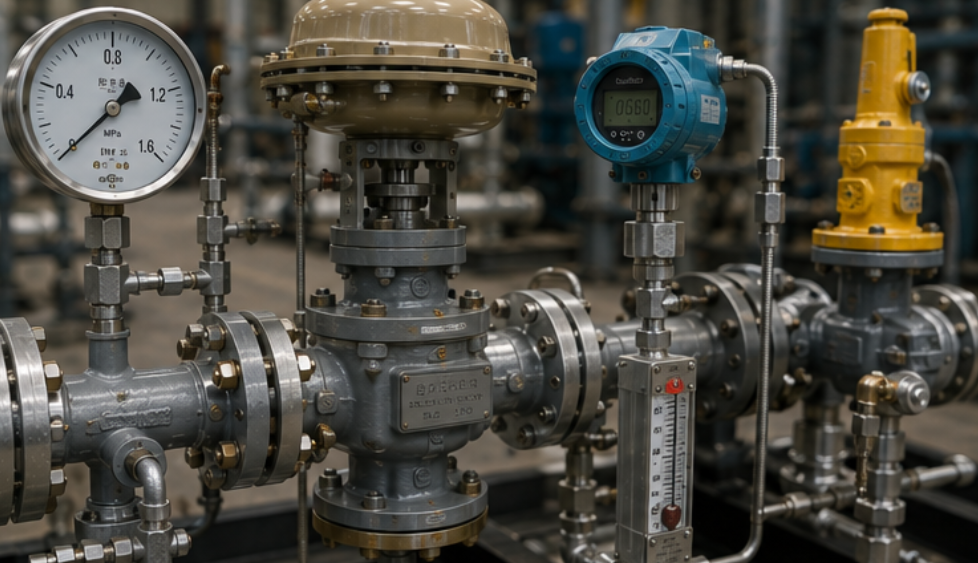
A custom skid-mounted system is not only mechanical piping. Many systems need pressure control, temperature control, flow measurement, alarm output, remote monitoring, PLC / DCS / SCADA interface, actuator control, or automatic shut-off logic. If control requirements are not discussed early, the final system may require rework.
For example, a Steam PRDS system requires pressure control and temperature control together. A gas regulating skid may need safety shut-off and pressure alarm output. A gas metering skid may need flow computer, pressure compensation, temperature compensation, and signal transmission.
Practical Tip
Before approving a skid quotation, do not only check the main valve and pipe size. Review working conditions, control logic, safety devices, instruments, layout, testing scope, and documentation together.
Final Design Review Checklist
Confirm complete working conditions before component selection.
Review valve, regulator, flow meter, and instrument sizing.
Check safety devices, alarm points, and emergency logic.
Review control cabinet, signals, actuator type, and communication interface.
Confirm skid layout, maintenance access, and site connection direction.
Request P&ID, GA drawing, component list, and data sheets.
Confirm pressure test, leak test, functional inspection, and FAT scope.
Check packing, lifting, delivery documents, and after-sales support.
Conclusion
Common mistakes in custom skid-mounted system design include using pipe size as the only design basis, ignoring low-load and peak-load conditions, treating safety devices as optional items, leaving insufficient maintenance access, and separating mechanical layout from control logic.
A properly designed custom skid-mounted system should be based on real working conditions, complete safety review, correct component selection, practical layout, factory testing, and clear project documentation.
FAQ
What information is needed before designing a custom skid-mounted system?
Buyers should provide medium type, pressure, temperature, flow range, process purpose, safety requirements, control requirements, site layout, connection standard, and documentation needs.
Why is pipe size not enough for skid design?
Pipe size cannot define regulator capacity, valve sizing, pressure drop, control stability, safety valve sizing, or skid layout. Real working conditions are required.
Why is maintenance access important?
Filters, valves, instruments, control cabinets, drains, and safety devices need space for inspection, calibration, replacement, and long-term maintenance.
What documents should buyers request?
Buyers can request P&ID, GA drawing, component list, data sheets, test reports, FAT documents, operation manual, packing list, and final inspection photos.
Need A Custom Skid-Mounted System For Your Project?
Send us your medium, pressure, temperature, flow range, process application, control requirements, safety requirements, and site layout. Our engineering team can help review the working conditions and provide a suitable custom skid-mounted system solution.
Get Quote Contact Us