


How To Prevent Freeze-Up In Gas Pressure Regulating Systems
2026-06-14 21:09Need To Prevent Freeze-Up In Your Gas Regulating System?
Send us your gas medium, inlet pressure, outlet pressure, flow range, gas temperature, installation environment, moisture condition, pressure reduction ratio, and current freezing symptoms. Our engineering team can help review whether your gas pressure regulating skid needs filtration, heating, insulation, drainage, or staged regulation.
1. Why Freeze-Up Happens In Gas Pressure Regulating Systems
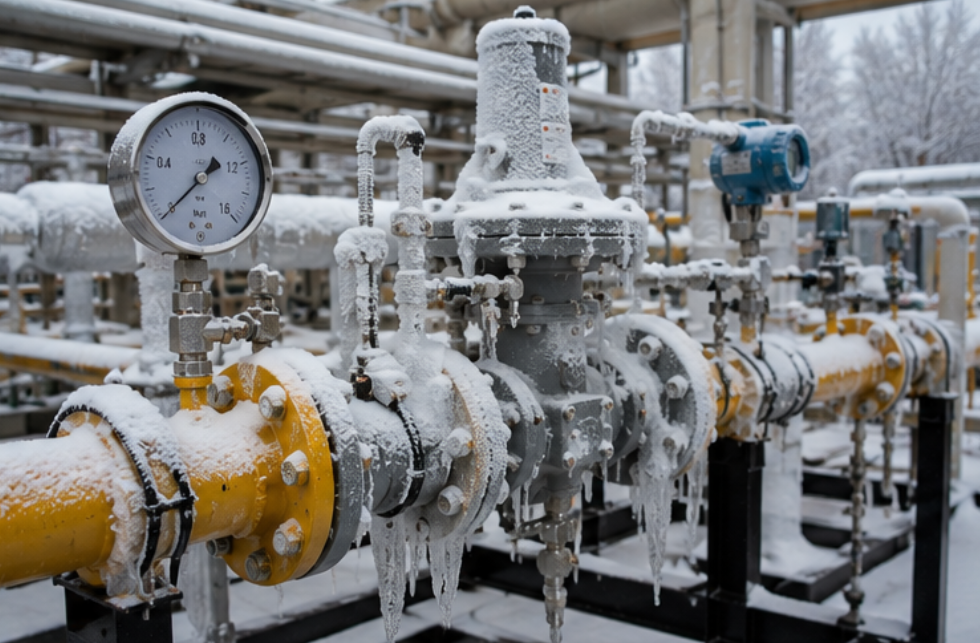
Freeze-up often happens when high-pressure gas passes through a pressure reducing valve or regulator. During pressure reduction, the gas temperature may drop. If the gas contains moisture, liquid droplets, condensate, or insufficiently treated impurities, ice can form inside filters, regulators, valve seats, pilot lines, instrument impulse tubes, and small openings.
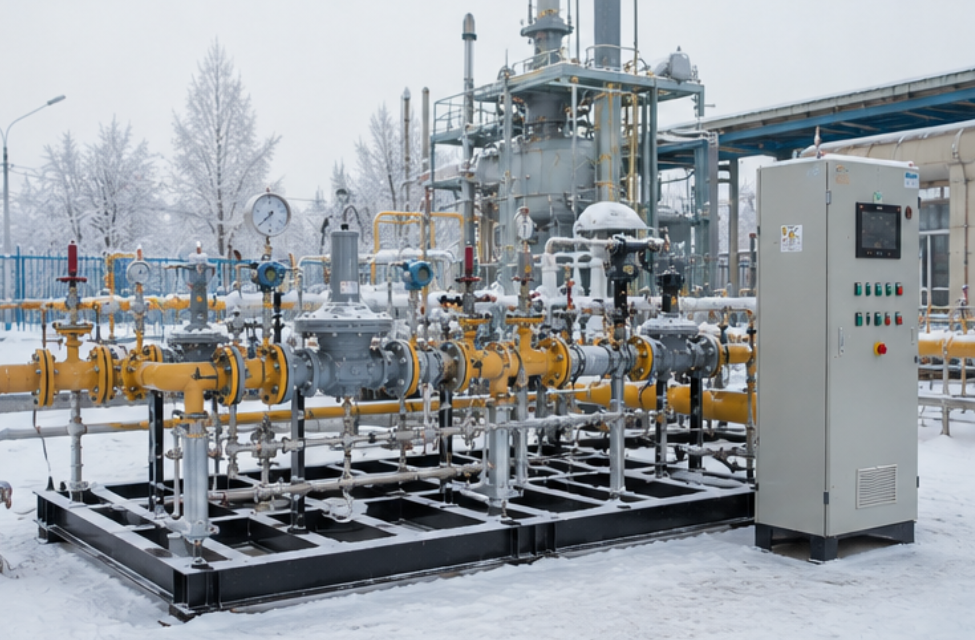
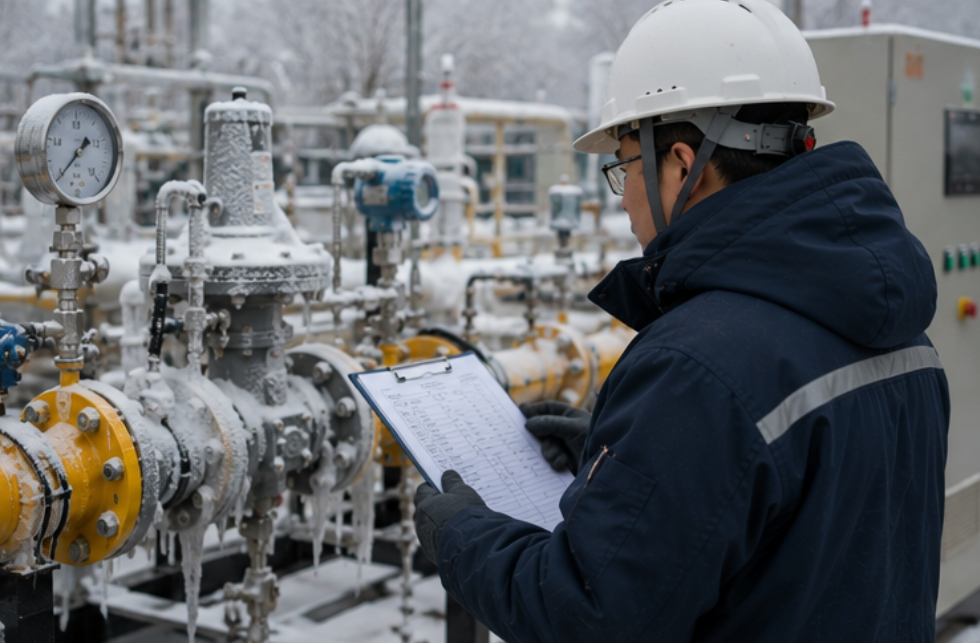
Outdoor gas stations and LNG satellite stations are more sensitive to this issue because ambient temperature, wind, rain, snow, and gas temperature after vaporization may all affect the system. If the gas regulating skid is not designed with proper drainage, heating, insulation, and monitoring, freeze-up can quickly cause pressure instability.
In industrial boiler rooms, factory gas supply stations, LNG vaporizer outlet systems, and natural gas regulating stations, freeze-up should be treated as a complete system problem, not only a regulator problem.
Common Signs Of Freeze-Up
Outlet gas pressure suddenly drops during operation.
Regulator response becomes slow or unstable.
Pressure gauge readings fluctuate abnormally.
Filter or regulator surface shows frost or ice.
Burners, boilers, or downstream users shut down unexpectedly.
Small instrument lines or pilot lines become blocked.
2. Main Causes Of Freeze-Up In Gas Regulating Systems
Freeze-up can be caused by gas quality, pressure reduction ratio, ambient temperature, equipment selection, poor drainage, or missing heating protection. To prevent repeated freezing, buyers should identify where moisture, temperature drop, and pressure loss occur in the system.
Troubleshooting Table
| Possible Cause | Typical Result | What To Check |
|---|---|---|
| Moisture In Gas | Ice forms after pressure reduction. | Gas dew point, moisture content, dehydration, and filtration. |
| Large Pressure Drop | Gas temperature drops sharply through the regulator. | Inlet pressure, outlet pressure, and pressure reduction ratio. |
| Cold Outdoor Environment | Regulator, filter, and instruments freeze more easily. | Ambient temperature, wind, rain, snow, and enclosure protection. |
| Poor Drainage | Liquid accumulates in low points and freezes. | Drain valves, low points, filter separator, and pipe slope. |
| Blocked Filter | Flow restriction increases pressure instability. | Filter element, differential pressure, liquid, rust, and dirt. |
| Missing Heat Tracing Or Insulation | Critical parts remain exposed to freezing conditions. | Heating cable, insulation, cabinet heating, and outdoor protection. |
3. How To Prevent Freeze-Up Before It Causes Shutdown
The most effective way to prevent freeze-up is to control both gas quality and system temperature. If gas contains water or liquid droplets, a filter separator or upstream gas treatment should be reviewed. If the pressure drop is large, staged pressure reduction, gas preheating, or suitable regulator selection may be needed.
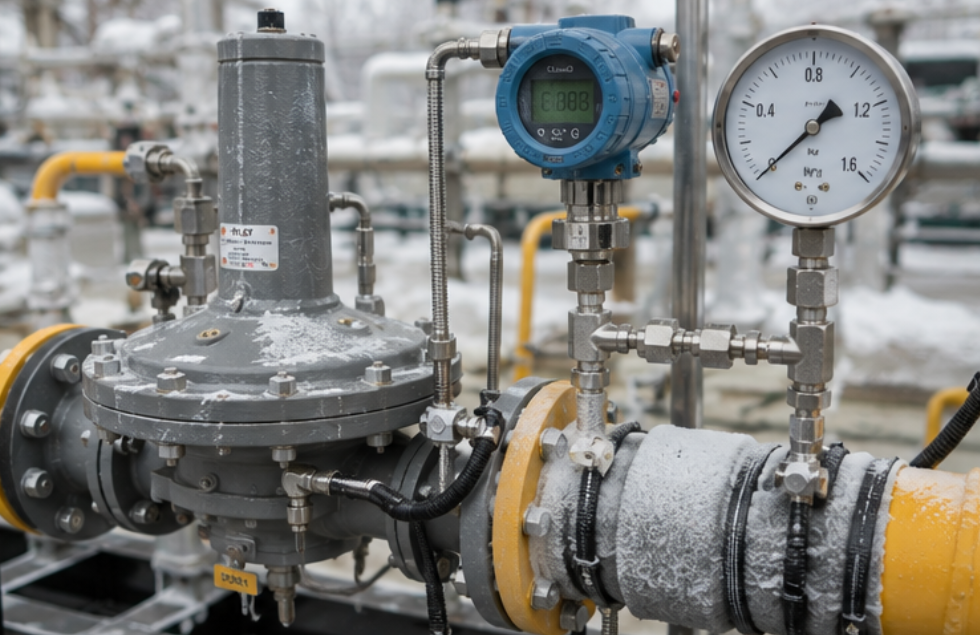
Outdoor systems should also be protected against low ambient temperature. Heat tracing, insulation, weatherproof enclosures, heated control cabinets, and proper drain points can reduce freezing risk in filters, regulators, valves, and instruments.
Freeze-Up Prevention Checklist
Check gas dew point and moisture content before regulation.
Install proper filter separator and drainage points.
Review pressure reduction ratio and consider staged regulation if needed.
Use heat tracing or insulation for exposed pipes and valves.
Protect regulators, pilot lines, transmitters, and small instrument lines.
Keep outdoor control cabinets protected from cold and moisture.
Inspect filter blockage and drain accumulated liquid regularly.
Monitor inlet temperature, outlet temperature, and pressure fluctuation trends.
4. Why Skid Design Matters For Freeze-Up Prevention
A gas pressure regulating skid should be designed according to the actual medium, inlet pressure, outlet pressure, pressure drop, flow range, temperature, installation environment, and moisture condition. If the skid layout ignores drainage, heating, insulation, and maintenance access, freeze-up may happen repeatedly.
A complete skid design can include filter separator, pressure regulator, staged pressure reducing line, safety shut-off valve, relief valve, pressure gauges, pressure transmitters, temperature monitoring, drain valves, vent lines, heat tracing, insulation, weather protection, control cabinet, and skid-mounted frame.
Skid Sections To Review
Filtration section: removes liquid droplets, rust, particles, and impurities.
Pressure regulation section: controls pressure drop and outlet stability.
Drainage section: removes liquid from filters, low points, and separators.
Heating section: protects exposed valves, regulators, instruments, and small lines.
Monitoring section: tracks pressure, temperature, alarms, and abnormal changes.
Maintenance layout: allows easy inspection, draining, filter replacement, and winter checks.
5. Practical Winter Operation And Maintenance Tips
Even with a well-designed skid, winter maintenance is still important. Operators should check filters, drain liquid, inspect heat tracing, confirm insulation condition, test alarms, and record pressure and temperature data during cold weather operation.
For LNG satellite stations and outdoor gas regulating stations, winter inspection should start before the cold season. If repeated freezing has already occurred, the system should be reviewed by engineering personnel instead of only replacing frozen parts.
Practical Tip
If freeze-up happens repeatedly, do not only add insulation after the problem appears. Check gas moisture, pressure drop, drainage, regulator sizing, heat tracing, and station layout together.
Winter Maintenance Checklist
Drain accumulated liquid from filters and low points regularly.
Check heat tracing power supply and temperature control.
Inspect insulation damage, gaps, or water ingress.
Check pressure transmitter and pilot line freezing risk.
Confirm regulator response under low and high flow conditions.
Record inlet pressure, outlet pressure, and gas temperature trends.
Inspect outdoor enclosures, cabinet heating, and cable sealing.
Prepare spare filter elements and critical instrument parts before winter.
Conclusion
Freeze-up in gas pressure regulating systems is usually caused by moisture, large pressure drop, low gas temperature, cold outdoor environment, poor drainage, blocked filters, or missing heating protection. The solution should not focus on one frozen component only. It should start from gas quality, pressure reduction design, skid layout, heating, insulation, and maintenance planning.
A properly designed gas pressure regulating skid can help reduce freeze-up risk, stabilize outlet pressure, protect downstream equipment, improve winter operation reliability, and support safer long-term gas supply.
FAQ
What causes freeze-up in gas pressure regulating systems?
Common causes include moisture in gas, large pressure drop, low ambient temperature, poor drainage, blocked filters, missing heat tracing, and insufficient insulation.
Can pressure reduction cause gas temperature drop?
Yes. When gas pressure is reduced, gas temperature may drop. If moisture is present, ice can form inside regulators, filters, or instrument lines.
How can freeze-up be prevented?
Prevention methods include gas dehydration, filter separation, proper drainage, staged pressure reduction, heat tracing, insulation, weather protection, and regular winter maintenance.
When should a gas regulating skid be redesigned?
If freeze-up happens repeatedly, outlet pressure becomes unstable, or the station operates in cold conditions with high pressure drop, the skid design should be reviewed or upgraded.
Need Help Preventing Gas Regulating System Freeze-Up?
Send us your gas medium, pressure range, flow data, gas temperature, moisture condition, installation environment, and freezing symptoms. Our engineering team can help review the working conditions and provide a suitable gas pressure regulating skid solution.
Get Quote Contact Us