


Why LNG Satellite Stations Have Unstable Outlet Gas Pressure
2026-06-13 21:05Need To Solve LNG Station Outlet Pressure Problems?
Send us your LNG vaporizer outlet pressure, required outlet pressure, gas flow range, downstream users, station layout, pressure fluctuation symptoms, and safety requirements. Our engineering team can help review whether a gas regulating skid upgrade is suitable for your project.
1. Why Outlet Pressure Stability Matters In LNG Satellite Stations
LNG satellite stations usually receive, store, vaporize, regulate, and supply natural gas to downstream users. After vaporization, gas pressure must be reduced and stabilized before it enters boilers, burners, industrial heating systems, gas engines, furnaces, or factory utility networks.
If the outlet pressure fluctuates, downstream equipment may not receive enough gas during peak demand. If pressure rises too high, safety devices may trip or downstream equipment may face overpressure risk. If pressure drops suddenly, burners may shut down, heating output may fall, or production lines may stop.
Stable outlet pressure depends on the complete system, including vaporizer capacity, regulator selection, filtration, safety shut-off, pressure monitoring, control logic, station piping, and actual gas demand.
Common Symptoms Of Unstable Outlet Pressure
Outlet pressure drops when factory gas demand increases.
Pressure gauge reading fluctuates after LNG vaporization.
Boiler burners shut down during peak production hours.
Pressure alarms occur when multiple downstream users start together.
Regulator noise, vibration, hunting, or delayed response appears.
Gas pressure is stable during low demand but unstable during high demand.
2. Main Causes Of Unstable LNG Station Outlet Gas Pressure
Unstable outlet pressure is not always caused by the regulator alone. It can come from vaporizer load mismatch, inlet pressure variation, filter blockage, sudden demand changes, incorrect regulator sizing, pipe pressure loss, or missing monitoring points.
Troubleshooting Table
| Possible Cause | Typical Result | What To Check |
|---|---|---|
| Vaporizer Capacity Not Matching Demand | Outlet pressure drops during peak gas use. | Vaporizer capacity, ambient conditions, and peak flow demand. |
| Regulator Undersized | Pressure cannot remain stable at high flow. | Minimum, normal, and maximum gas flow range. |
| Regulator Oversized | Outlet pressure hunts at low demand. | Low-flow stability and regulator response. |
| Blocked Filter | Gas flow is restricted before pressure regulation. | Filter element, dirt, rust, liquid, and pressure drop. |
| Sudden Downstream Load Change | Pressure fluctuates when boilers or burners start together. | Downstream user sequence and total gas demand. |
| Poor Station Piping Layout | Pressure loss and regulator response become unstable. | Pipe size, pipe length, bends, valves, and skid outlet distance. |
3. Vaporizer Outlet Conditions Must Be Checked First
In LNG satellite stations, the gas regulating skid receives vaporized natural gas from the vaporizer section. If the vaporizer outlet pressure, temperature, or flow is not stable, the downstream regulator may not be able to maintain stable outlet pressure.
Ambient vaporizers can be affected by weather, ice formation, operating load, and actual gas consumption. If the vaporizer capacity is lower than peak demand, the pressure regulating skid may appear to be the problem, but the root cause may be insufficient vaporization or unstable vaporizer outlet conditions.
Vaporizer And Inlet Data Buyers Should Record
Vaporizer outlet pressure under low, normal, and peak load.
Gas temperature after vaporization.
Maximum vaporization capacity compared with downstream demand.
Whether ice, frost, or poor heat exchange appears on the vaporizer.
Pressure changes when multiple industrial users start together.
Inlet pressure before the gas pressure regulating skid.
4. How A Gas Regulating Skid Helps Stabilize LNG Station Outlet Pressure
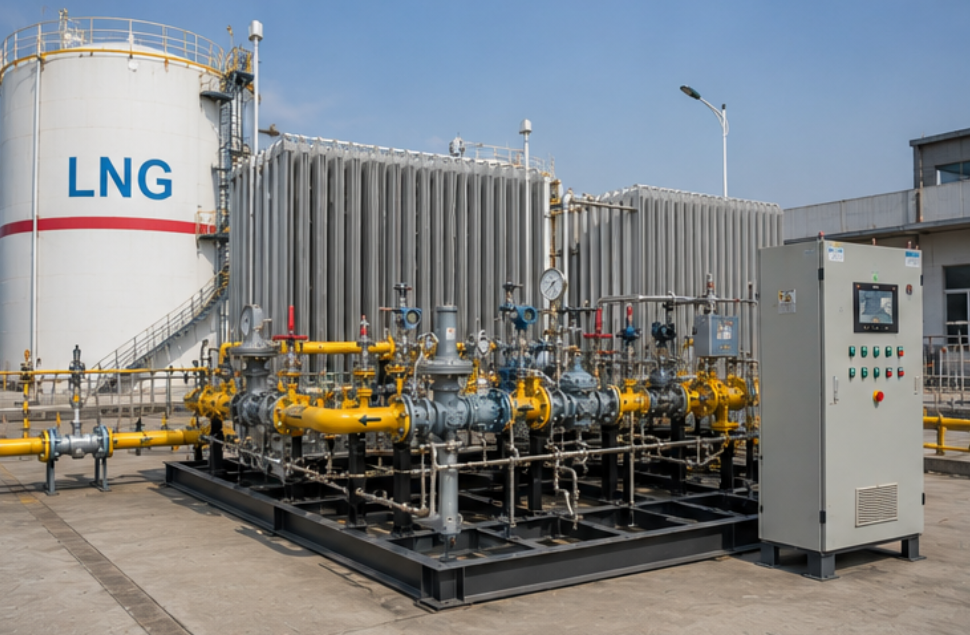
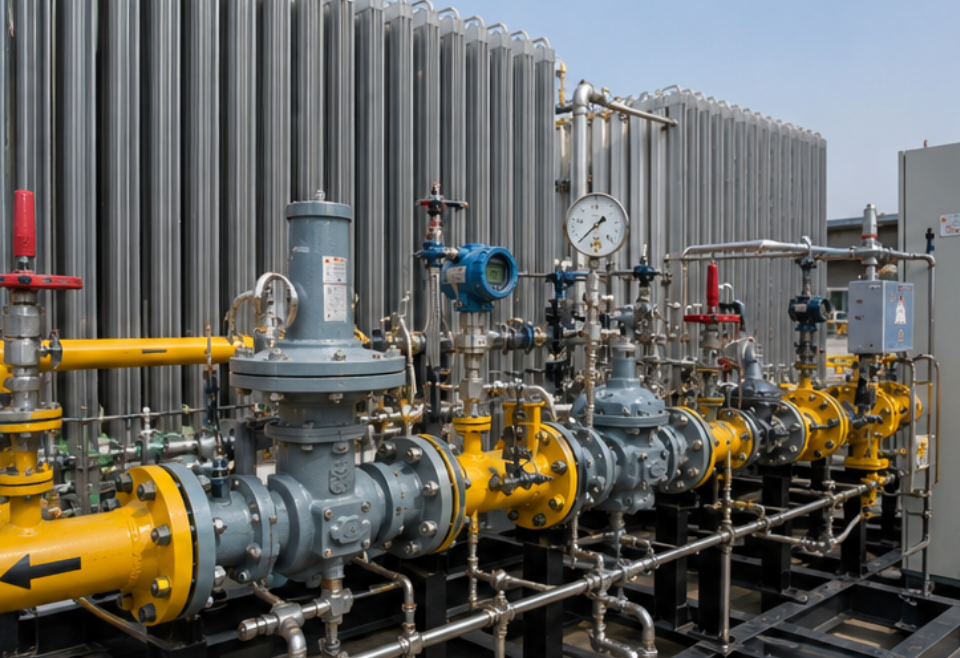
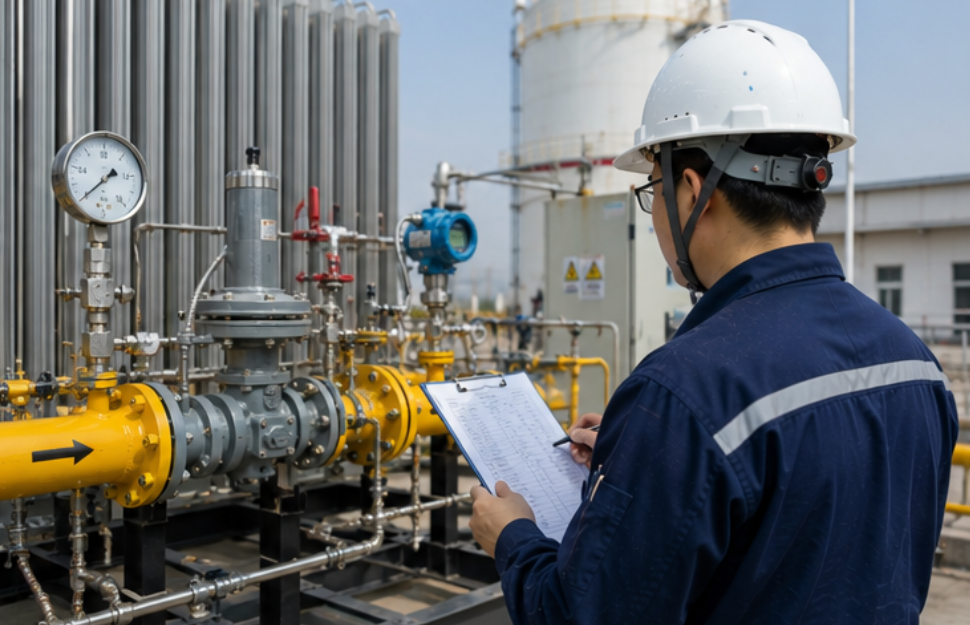
A gas regulating skid is designed to reduce, stabilize, monitor, and protect gas pressure after LNG vaporization. A complete skid may include filter separator, pressure regulator, safety shut-off valve, relief valve, pressure gauges, pressure transmitters, outlet isolation valve, vent line, bypass line, control cabinet, piping, supports, and skid frame.
For LNG satellite stations, the gas regulating skid should be selected according to actual vaporizer outlet pressure, required outlet pressure, minimum flow, normal flow, maximum flow, gas temperature, station layout, downstream gas users, and safety requirements.
Skid Components That Should Be Reviewed
Filter or filter separator: removes impurities before pressure regulation.
Pressure regulator: reduces and stabilizes outlet gas pressure.
Safety shut-off valve: cuts off gas flow during abnormal pressure conditions.
Relief valve or monitor regulator: helps protect downstream users from overpressure.
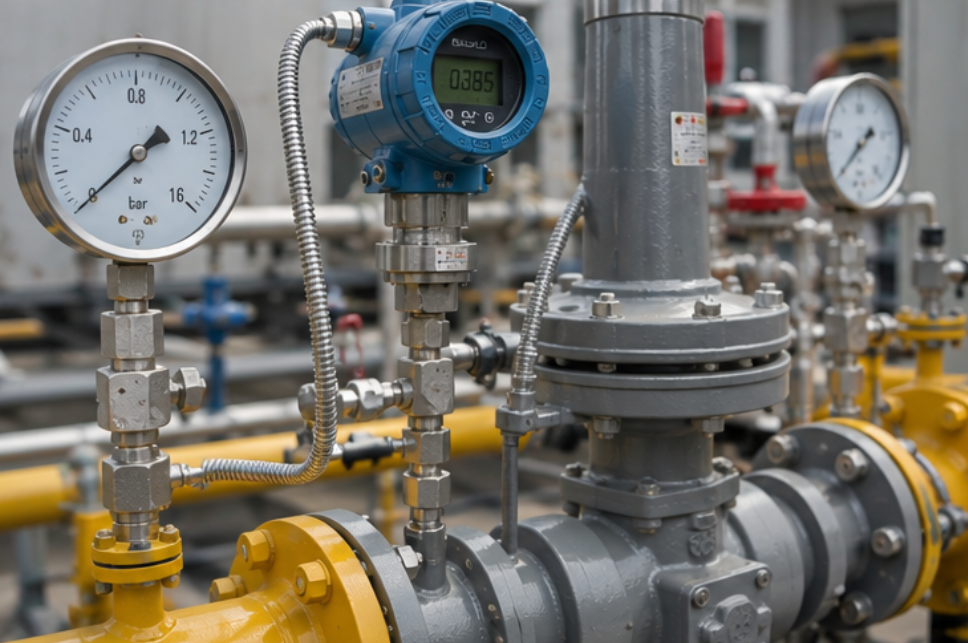
Pressure transmitter: provides pressure data for alarms and remote monitoring.
Control cabinet: supports local indication, alarm output, and station control interface.
5. Practical Steps To Fix Unstable Outlet Pressure
To fix unstable outlet pressure, the first step is to record pressure and flow data under real operating conditions. The station should be checked during startup, low demand, normal supply, and peak industrial demand. The pressure before and after the regulating skid should be recorded separately.
If the existing system was designed for a smaller demand, if new industrial users were added, or if the vaporizer and regulator no longer match the current flow range, the gas regulating skid may need to be upgraded or redesigned.
Practical Tip
Do not judge LNG station outlet pressure problems by one gauge reading. Check vaporizer outlet pressure, regulating skid inlet pressure, skid outlet pressure, filter condition, downstream gas demand, and pressure change during peak operation together.
Outlet Pressure Stabilization Checklist
Record vaporizer outlet pressure under different loads.
Check gas temperature after vaporization.
Measure inlet and outlet pressure of the gas regulating skid.
Confirm minimum, normal, and maximum downstream gas flow.
Check filter blockage and pressure loss before the regulator.
Review regulator sizing and response under low and peak flow.
Check pipe size, distance, elbows, and pressure loss after the skid.
Review safety shut-off, relief protection, alarms, and remote monitoring.
Conclusion
LNG satellite stations may have unstable outlet gas pressure because of vaporizer capacity mismatch, unstable vaporizer outlet conditions, blocked filters, wrong regulator sizing, sudden downstream load changes, pipe pressure loss, or incomplete safety and monitoring design.
A properly designed gas regulating skid can help stabilize outlet pressure after LNG vaporization, protect downstream industrial users, reduce shutdown risk, improve monitoring, and support safe long-term station operation.
FAQ
Why does LNG satellite station outlet gas pressure fluctuate?
Common causes include vaporizer capacity mismatch, unstable inlet pressure, blocked filter, wrong regulator sizing, sudden downstream demand changes, and poor station piping layout.
Can vaporizer performance affect outlet pressure?
Yes. If vaporizer outlet pressure, temperature, or flow is unstable, the gas regulating skid may not maintain stable downstream pressure.
What data is needed before selecting a gas regulating skid?
Buyers should provide vaporizer outlet pressure, required outlet pressure, gas temperature, flow range, downstream users, station layout, and safety requirements.
When should the gas regulating skid be upgraded?
If outlet pressure frequently fluctuates, downstream users have expanded, peak demand has increased, or the existing regulator cannot handle the full flow range, the skid should be reviewed or upgraded.
Need Help With LNG Station Outlet Pressure Problems?
Send us your vaporizer outlet pressure, required outlet pressure, gas flow range, downstream users, pressure fluctuation symptoms, and station layout. Our engineering team can help review the working conditions and provide a suitable gas regulating skid solution.
Get Quote Contact Us