


What Causes Pressure Drop Across Gas Filters In Regulating Stations
2026-07-05 16:36Need To Solve Gas Filter Pressure Drop Problems?
Send us your gas medium, inlet pressure, outlet pressure, gas flow range, filter type, filter element condition, differential pressure data, downstream equipment demand, and regulating station layout. Our engineering team can help review whether your gas filter or pressure regulating skid needs optimization.
1. Why Filter Pressure Drop Matters In Gas Regulating Stations
The gas filter or filter separator is usually installed before the pressure regulator. Its purpose is to remove dust, rust, welding slag, oil mist, liquid droplets, and other impurities before gas enters the regulator and downstream equipment.
When the filter becomes restricted, the pressure before the filter may still look normal, but the pressure after the filter may drop. This reduces the available inlet pressure for the regulator and may cause unstable outlet pressure, low gas pressure alarms, burner shutdown, or insufficient gas supply during peak demand.
For boiler rooms, LNG stations, industrial gas stations, factory gas supply systems, and gas regulating skids, filter pressure drop should be monitored regularly instead of being checked only after a shutdown occurs.
Common Symptoms Of Filter Pressure Drop
Pressure before the filter is normal, but pressure after the filter is low.
Outlet pressure drops during high gas demand.
Burners or boilers alarm during peak operation.
Pressure regulator becomes unstable because inlet pressure is insufficient.
Differential pressure across the filter increases gradually over time.
Filter drain contains liquid, rust, dust, or black residue.
2. Main Causes Of Pressure Drop Across Gas Filters
Filter pressure drop may be caused by gas quality, operating flow, filter element condition, liquid accumulation, wrong filter sizing, or poor maintenance. Before replacing the regulator, buyers should check whether the filter is restricting gas flow.
Troubleshooting Table
| Possible Cause | Typical Result | What To Check |
|---|---|---|
| Dirty Gas | Filter element becomes blocked faster than expected. | Dust, rust, pipe debris, oil mist, and upstream gas quality. |
| Blocked Filter Element | Differential pressure increases and downstream pressure drops. | Filter element condition and replacement schedule. |
| Liquid Carryover | Liquid accumulates inside the filter body and restricts flow. | Drain point, liquid level, separator performance, and upstream condensation. |
| Filter Undersized | Pressure drop is high even when the element is clean. | Maximum gas flow, filter area, and allowable pressure drop. |
| Peak Flow Too High | Pressure drop appears only during peak boiler or burner demand. | Minimum, normal, and maximum gas flow through the skid. |
| Poor Maintenance | Filter element is not replaced before pressure loss affects operation. | Maintenance interval, differential pressure records, and inspection history. |
3. Dirty Gas Is The Most Common Reason
Gas in industrial projects may contain rust, welding slag, pipe debris, dust, oil mist, moisture, or liquid droplets. During new pipeline commissioning, the amount of debris can be especially high. If these impurities reach the filter, the element may become blocked quickly.
Dirty gas does not only increase pressure drop. It can also damage regulator seats, safety shut-off valves, flow meters, pressure transmitters, and downstream burner gas trains. That is why filtration is not just a maintenance item but an important protection section in a gas regulating station.
Gas Quality Checklist
Check whether the system is newly commissioned or recently modified.
Inspect filter drain for liquid, rust, dust, or oil residue.
Review upstream pipeline cleaning and flushing history.
Check whether gas contains moisture or condensate.
Inspect whether the filter element becomes dirty too quickly.
Confirm whether upstream gas treatment is sufficient for the project.
4. Differential Pressure Should Be Monitored, Not Guessed
The best way to judge filter blockage is to monitor differential pressure before and after the filter. A single pressure gauge after the regulator may only show that downstream pressure is low. It may not show whether the root cause is filter blockage, regulator sizing, or upstream pressure instability.
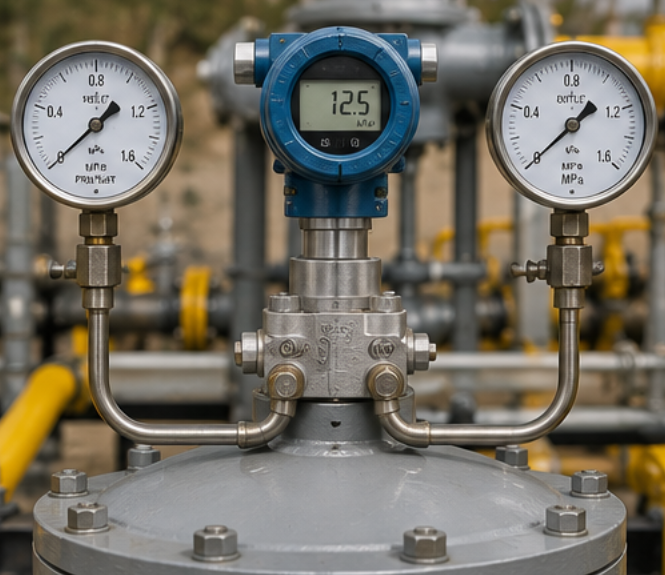
A differential pressure gauge or transmitter helps operators see when the filter element should be cleaned or replaced. For important gas regulating stations, differential pressure alarm output can also help prevent unexpected shutdown during peak demand.
Pressure Monitoring Checklist
Pressure before the filter.
Pressure after the filter.
Differential pressure across the filter element.
Pressure before and after regulator.
Pressure during low, normal, and peak gas demand.
Alarm setpoint for high differential pressure if required.
5. Filter Size Must Match Peak Gas Flow
Some pressure drop problems occur even when the filter element is clean. This usually means the filter body or filter area is too small for the actual gas flow. When gas flow increases, pressure loss rises sharply across the filter.
For boiler rooms, LNG stations, natural gas regulating stations, and factory gas supply systems, the filter should be selected according to maximum flow, gas pressure, gas temperature, allowable pressure drop, impurity load, and maintenance access.
Filter Selection Checklist
Minimum, normal, and maximum gas flow.
Inlet pressure and outlet pressure requirement.
Allowable pressure drop across the filter.
Filter element area and filtration accuracy.
Expected impurity load and gas quality.
Maintenance space for element removal and replacement.
6. How A Proper Gas Regulating Skid Reduces Filter Pressure Drop Risk
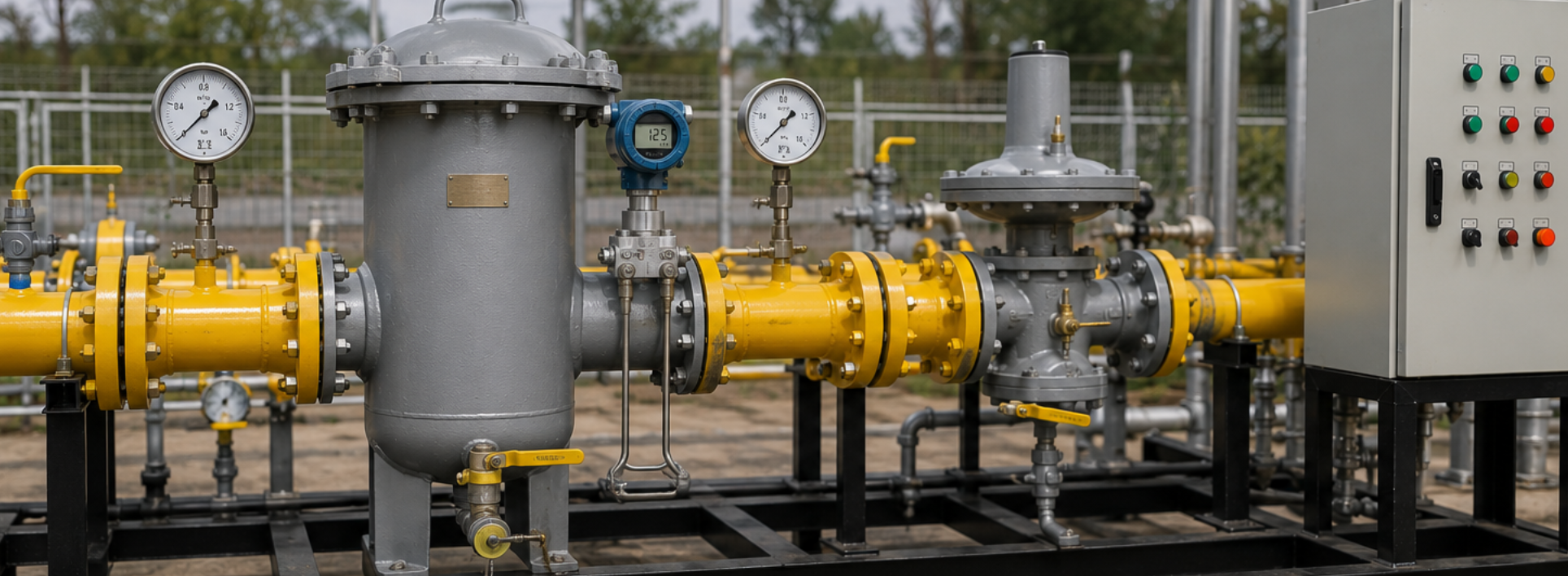
A properly designed gas pressure regulating skid should include a filter or filter separator selected for real gas flow and gas quality. It should also provide pressure gauges or transmitters before and after the filter, drain points, maintenance access, and enough space for filter element replacement.
The filter section should be reviewed together with regulator capacity, safety shut-off valve, relief protection, control cabinet, pipe size, and downstream gas demand. If the filter pressure drop is ignored, the whole regulating station may fail to maintain stable outlet pressure.
Practical Tip
If downstream gas pressure drops, do not only check the regulator. First compare pressure before and after the filter. A blocked or undersized filter can make the regulator look like the problem even when the real restriction is upstream of it.
Engineering Review Checklist
Confirm gas medium, pressure, temperature, and flow range.
Check filter pressure drop under peak flow.
Review filter element condition and replacement interval.
Inspect drain points for liquid or impurity accumulation.
Confirm differential pressure monitoring requirement.
Review regulator inlet pressure after the filter.
Check downstream pressure stability during peak demand.
Consider a custom gas pressure regulating skid with proper filter sizing and monitoring.
Conclusion
Pressure drop across gas filters in regulating stations is usually caused by dirty gas, blocked filter elements, liquid carryover, undersized filters, excessive peak flow, poor maintenance, or missing differential pressure monitoring.
A reliable gas regulating station should include proper filtration, differential pressure monitoring, drainage, maintenance access, and filter sizing based on real operating flow to protect regulators and downstream gas users.
FAQ
What causes pressure drop across a gas filter?
Common causes include blocked filter elements, dirty gas, liquid carryover, rust, pipe debris, undersized filter selection, excessive flow, and poor maintenance.
Can a blocked gas filter cause low outlet pressure?
Yes. A blocked filter restricts flow before the regulator, reducing regulator inlet pressure and causing low or unstable downstream pressure.
How should filter blockage be monitored?
Use pressure gauges or a differential pressure transmitter before and after the filter to monitor pressure loss and plan filter maintenance.
When should a gas filter be replaced?
The filter element should be cleaned or replaced when differential pressure becomes too high, when downstream pressure drops, or according to the maintenance schedule and gas quality condition.
Need Help With Gas Filter Pressure Drop?
Send us your gas pressure, flow range, filter type, differential pressure data, filter element condition, and regulating station layout. Our engineering team can help review the working conditions and provide a suitable gas pressure regulating skid solution.
Get Quote Contact UsRelated Product Paths For This Project
What Causes Pressure Drop Across Gas Filters In Regulating Stations should connect the troubleshooting topic with Shenqi's real equipment categories. For gas pressure, steam pressure reducing, PRDS, skid module, valve, and prefabricated pipeline projects, buyers usually need to compare the fault symptom with the full system scope before requesting a quotation. The related pages below help the engineering team move from diagnosis to product selection without leaving the site.
- Gas Pressure Regulating Skid
- Temperature and Pressure Reducing Device
- Prefabricated Pipeline
- Skid Module
- Pressure Vessel
- Accessories
- Valves
- Contact Shenqi Machinery
For a project specific review, prepare inlet pressure, outlet pressure, flow range, medium, temperature, control accuracy, valve configuration, instrument requirement, site layout, and commissioning schedule before contacting Shenqi Machinery.