


- Home
- >
News
How Spray Water Pressure Affects Steam Desuperheating Performance project guide covering Shenqi gas pressure steam pressure skid module valve commissioning and RFQ checks.
Why PRDS Systems Cannot Control Outlet Steam Temperature Properly project guide covering Shenqi gas pressure steam pressure skid module valve commissioning and RFQ checks.
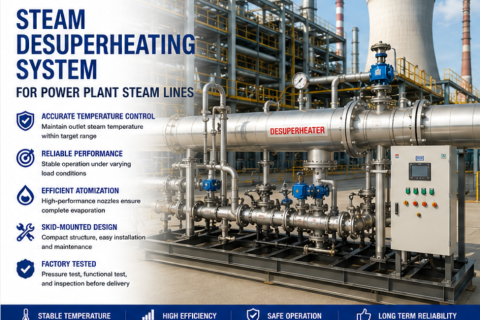
A steam desuperheating system for power plant steam lines should be selected according to steam conditions, outlet temperature target, spray water conditions, control accuracy, nozzle design, piping layout, drainage, testing, and documentation requirements. For power plant buyers, a reliable desuperheating solution helps improve steam temperature stability, protect downstream equipment, reduce water carryover risk, and support safe long-term plant operation.
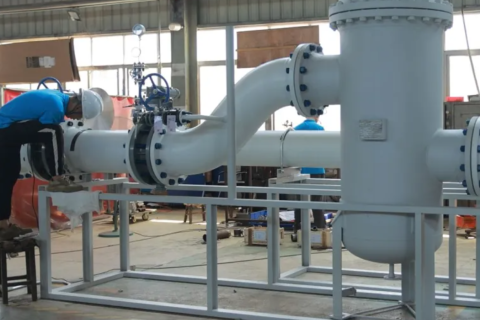
To improve steam temperature control, pressure reducing and desuperheating stations should match the desuperheater type to the duty, ensure proper atomization and mixing, and verify control performance across the full operating range. Good temperature control is a station-level result, not a nozzle-level feature.
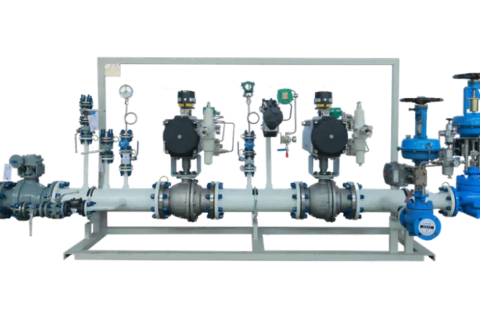
In essence, a Temperature & Pressure Reducing Station is far more than just a set of valves; it is a sophisticated, purpose-engineered system vital for safe, efficient, and stable steam distribution. By intelligently combining pressure reduction with precise temperature control, it protects downstream equipment, optimizes energy usage, and ensures process consistency. For industries reliant on steam, partnering with an experienced skid-mounted system manufacturer like Shenqi Machinery to design and supply a customized TPRS is a strategic investment in plant reliability, operational safety, and long-term cost savings.
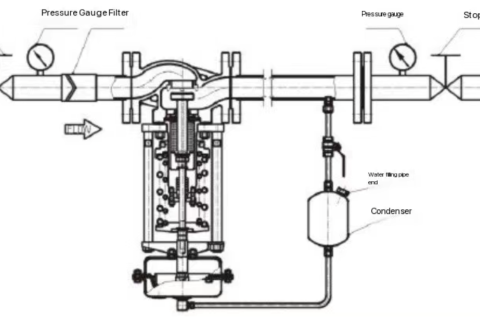
In industrial processes, steam and high-pressure fluids are essential workhorses. However, uncontrolled temperature and pressure are not just inefficient—they are costly and dangerous. Temperature & Pressure Reducing Devices (TPRDs) are critical control units that transform raw utility inputs into precise, safe, and efficient process energy, directly impacting your bottom line.