

News
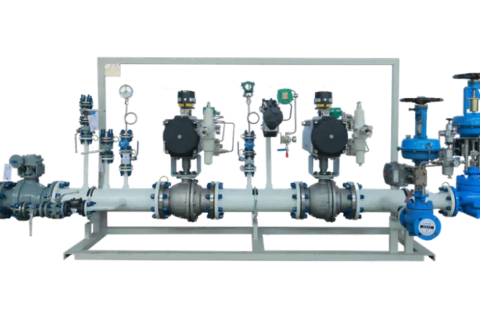
In essence, a Temperature & Pressure Reducing Station is far more than just a set of valves; it is a sophisticated, purpose-engineered system vital for safe, efficient, and stable steam distribution. By intelligently combining pressure reduction with precise temperature control, it protects downstream equipment, optimizes energy usage, and ensures process consistency. For industries reliant on steam, partnering with an experienced skid-mounted system manufacturer like Shenqi Machinery to design and supply a customized TPRS is a strategic investment in plant reliability, operational safety, and long-term cost savings.
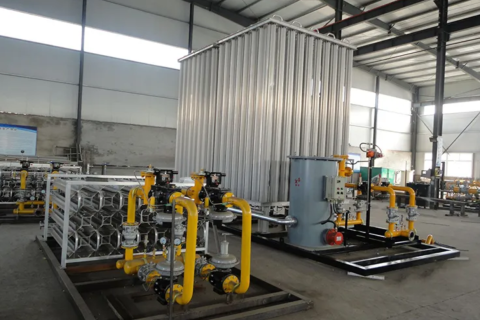
In summary, safety in modern Gas Pressure Reducing and Metering Skids is not a single feature but a holistic, multi-faceted ecosystem. It is achieved through a synergy of proactive design (redundant relief, multi-stage regulation), intelligent reaction (automated monitoring and SIS), and passive protection (structural integrity and operational safeguards). For international buyers, partnering with a manufacturer like Shenqi Machinery, which rigorously integrates these principles, means procuring more than just equipment—it means investing in operational integrity, asset protection, and, most importantly, the safety of personnel and the surrounding environment. A well-designed safety skid is the ultimate risk mitigation partner for any gas handling operation.
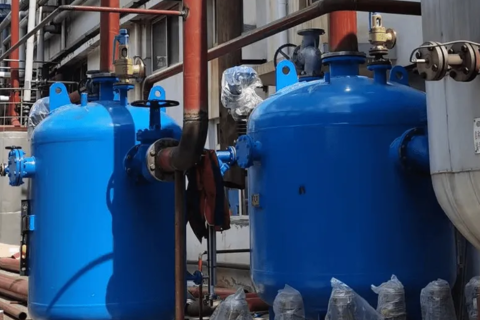
Pressure stability in a steam pressure reducing module is mainly affected by five things: whether the valve type matches the load pattern, whether the valve and piping are sized correctly, whether the sensing and installation layout is clean and stable, whether the steam is dry and free of damaging debris, and whether the module is properly commissioned and maintained. When those conditions are controlled together, the module is far more likely to hold steady downstream pressure over time instead of drifting into droop, hunting, or erratic response.
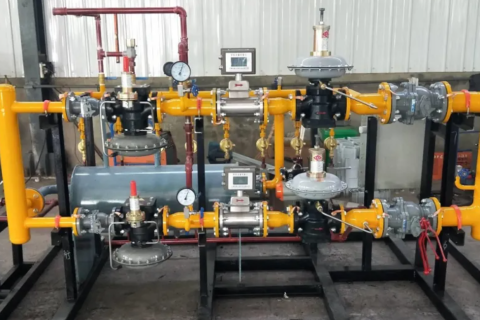
Before finalizing a petrochemical skid design, the most important confirmations are the design basis, the code and hazardous-area path, the physical layout and maintainability, and the testing and handover strategy. ASME B31.3 shows that process piping design is inseparable from fabrication, inspection, and testing, while IECEx and ISA frameworks show that hazardous-area compliance and automation verification need to be built into the package before release. When these points are confirmed early, the skid is far more likely to move smoothly from engineering into fabrication, FAT, delivery, and site startup.
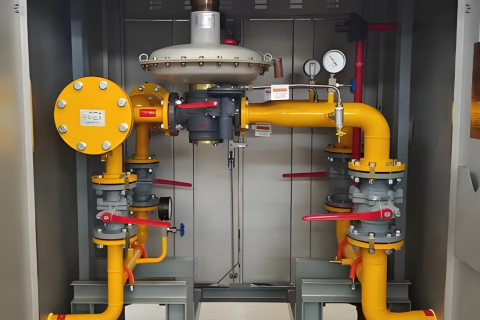
Ordering a gas pressure regulating skid is not only about selecting equipment with the right pressure range. It is about checking whether the skid is correctly designed for the actual gas conditions, whether the materials and safety configuration match the application, and whether testing, documents, and maintenance support are complete. The more clearly these points are reviewed before ordering, the lower the project risk will be later. A well-checked skid usually leads to smoother installation, safer operation, and better long-term value.
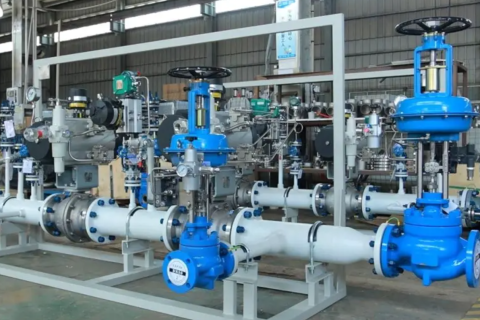
Before finalizing a custom skid design, it is essential to confirm the process data, functional scope, layout practicality, material suitability, safety logic, drawing consistency, testing requirements, and installation readiness. The design stage is where most project risks can either be prevented or created. The more carefully these points are reviewed before approval, the more likely the project will move smoothly through fabrication, delivery, installation, and long-term operation. A well-confirmed skid design is the foundation of reliable project execution.
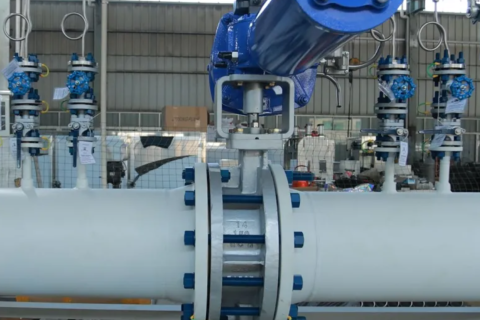
To ensure long-term stability in gas and steam control systems, the focus should be on the whole control environment rather than on one component alone. Correct regulator and valve sizing, sound piping arrangement, effective condensate management, disciplined commissioning, and planned maintenance all work together to protect control accuracy and operating reliability. When these points are confirmed early and managed consistently, gas and steam systems are much more likely to operate safely, efficiently, and steadily over the long term.
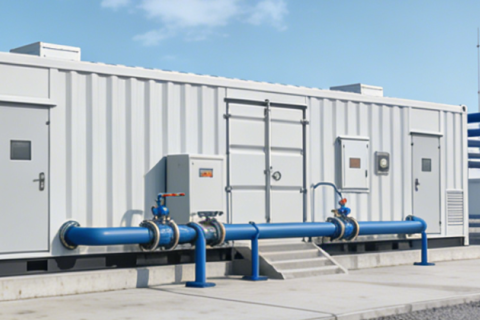
The testing points that matter most before industrial skid delivery are usually the ones that prove three things at the same time: the skid can safely contain pressure, the control and instrument loops work as intended, and the delivered package is fully documented and ready for handover. Pressure and leak testing answer the containment question; FAT, loop checks, and calibration answer the functionality question; and punch-list closure plus documented records answer the delivery-readiness question. When these three areas are covered properly, skid delivery becomes far more reliable and project risk drops significantly.
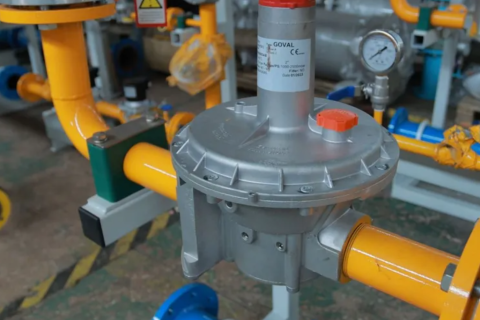
To reduce delivery risk in custom pressure and piping systems, the most effective approach is to control the project in three layers: first, freeze the design basis and interfaces early; second, manage long-cycle items, fabrication, and testing as one schedule; third, release shipment only after technical tests, punch lists, and handover documents are fully closed. When these three layers are managed together, delivery becomes more predictable, rework is reduced, and the system is far more likely to arrive ready for installation and startup rather than only ready for transport.
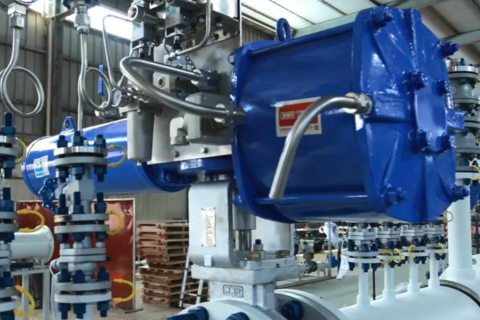
To reduce condensate problems in steam pressure control systems, the most effective approach is to work in three layers: keep wet steam out of the control section with separators and trap sets, build proper drainage into the steam main and the pressure reducing station, and then manage trap selection, back pressure, and maintenance correctly. When these three layers are handled together, the system is much more likely to deliver dry steam, stable pressure control, and longer equipment life.