

News
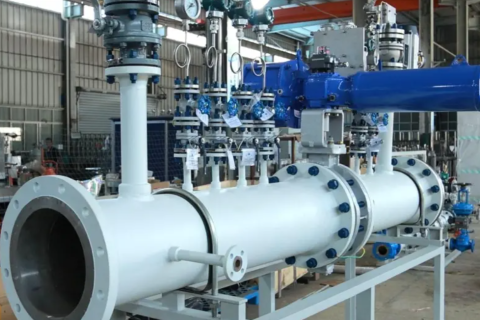
If pressure stability matters, the steam control system must be treated as a complete control environment rather than a single valve. Correct valve selection, proper piping and sensing arrangement, and dry steam with good condensate removal are the three factors that most often determine whether the system runs smoothly over time.
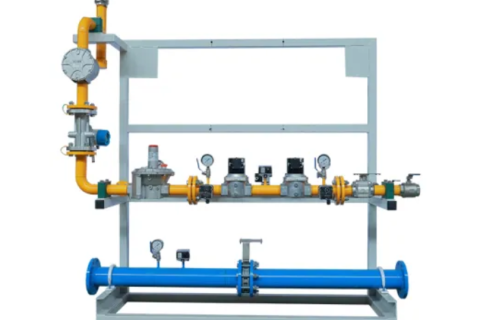
Small-scale LNG reduces transportation cost not simply by making shipping cheaper, but by changing the entire gas-delivery model. It lowers dependence on pipelines, creates more flexible regional supply, and helps projects enter the market faster. For distributed gas demand, that combination often matters more than headline transport cost alone.
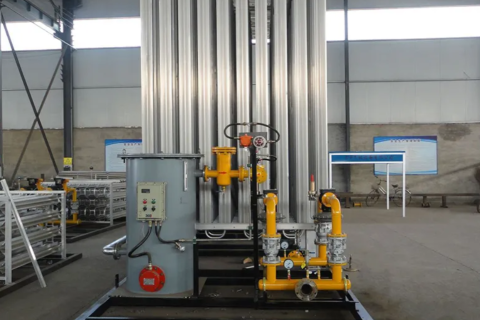
Evaluating a skid manufacturer is a multi-faceted process that must scrutinize engineering intellect, manufacturing muscle, and project integrity. True capability is evidenced by a synergy of in-house design expertise, a certified and equipped production facility with rigorous quality systems, and a professional project execution framework that includes comprehensive testing and support. By thoroughly investigating these three pillars—Technical Prowess, Certified Quality, and Reliable Execution—buyers can move beyond price comparisons alone. They can identify partners like Shenqi Machinery, who are invested in delivering not just a product, but a guaranteed, high-performance asset that ensures operational safety, reliability, and value for the entire lifecycle of the plant.
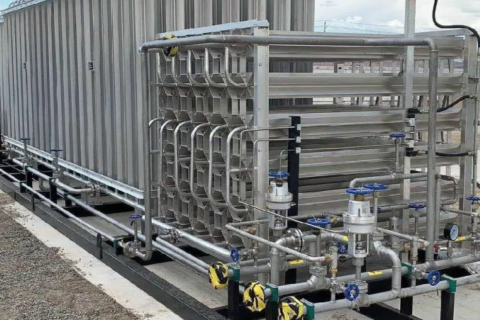
Effective noise reduction for Pressure Reducing Stations is not achieved by a single measure but through a comprehensive, layered strategy. It begins with source control through advanced valve technology, proceeds with effective containment via acoustic insulation and enclosures, and is solidified by intelligent system design that promotes quiet operation. For operators facing stringent workplace and environmental noise regulations, partnering with an experienced skid manufacturer like Shenqi Machinery, which integrates these techniques from the initial design phase, is essential. The result is a station that not only meets performance and safety standards but also demonstrates a commitment to environmental stewardship and workforce well-being, ensuring reliable and compliant operation for years to come.
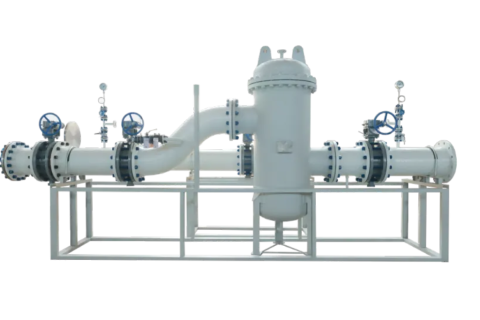
Ordering a custom gas pressure regulating skid is a significant technical and financial commitment. Asking the right questions—structured around process definition, supplier capability, and lifecycle management—is the most effective due diligence you can perform. It separates experienced, systematic manufacturers from mere assemblers. A comprehensive dialogue based on these questions ensures that the final skid is not only technically sound and code-compliant but also delivered on time, within budget, and backed by reliable support. It transforms the procurement process from a risk into a strategic investment in a cornerstone of your plant’s utility infrastructure.
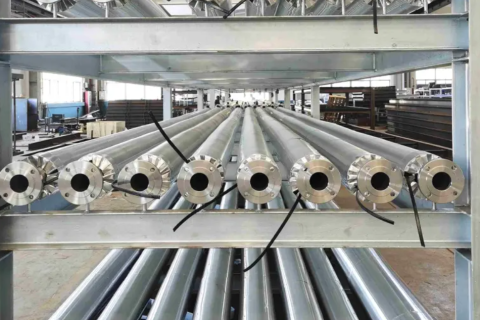
In essence, quality assurance in prefabricated pipeline manufacturing is a comprehensive, process-embedded discipline. It is a seamless integration of certified materials, digital precision, controlled workshop fabrication, and systematic validation. This approach transforms pipeline construction from a field-intensive, variable-prone activity into a predictable, factory-controlled science. For EPC contractors and plant owners, partnering with a fabricator like Shenqi Machinery, which adheres to this rigorous QA regimen, means investing in certainty: certainty of fit, certainty of performance, and certainty of schedule, ensuring that the modular skids and piping systems they receive are built to the highest standards of integrity and reliability.
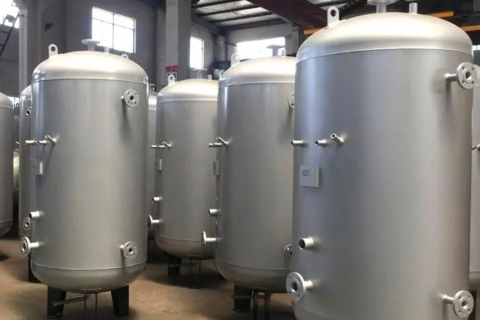
In summary, stainless steel pressure vessels are far more than simple storage tanks. They are precisely engineered, code-compliant systems that form the backbone of safe and efficient processing in industries where hygiene, corrosion resistance, and reliability are critical. From horizontal storage tanks to complex vertical reactors, their design is dictated by their function. For any application demanding purity, durability, and containment integrity, stainless steel vessels offer a superior, long-term solution. Manufacturers like Shenqi Machinery, with expertise in ASME design and fabrication, are essential partners in providing vessels that are not only fit for purpose but built to last, ensuring process integrity from the inside out.
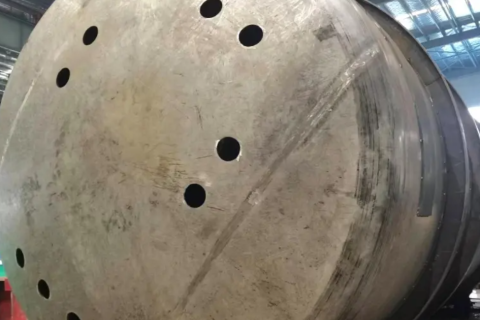
The manufacturing of a high-quality pressure vessel is a symphony of precision, where rigorous engineering, advanced fabrication, skilled craftsmanship, and uncompromising quality assurance converge. It is a process defined by adherence to the highest codes, where every step—from material certification to the final stamp—is documented and verified. Choosing a manufacturer like Shenqi Machinery, which masters this disciplined process, ensures more than just a product; it delivers a cornerstone of plant safety, operational reliability, and long-term value, built to withstand pressure in every sense.
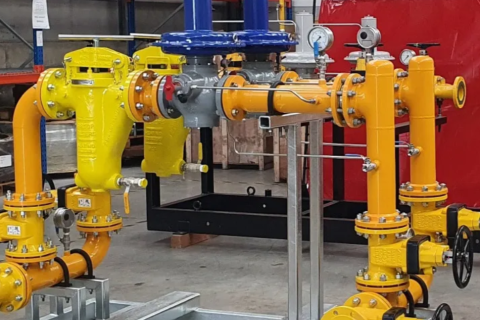
In the end, the choice between containerized and structural frame skids is not about which is universally better, but which is perfectly suited for the application's specific context. Structural frame skids offer unbeatable flexibility, accessibility, and cost-effectiveness for standard industrial installations with adequate shelter. Containerized skids provide unparalleled protection, security, and logistical convenience for demanding, mobile, or exposed deployments. As a comprehensive skid manufacturer, Shanghai Shenqi Machinery's expertise lies in navigating this critical decision with clients, engineering the ideal modular platform—whether an open-frame workhorse or a fortified containerized unit—to ensure reliability, efficiency, and value wherever in the world it operates.
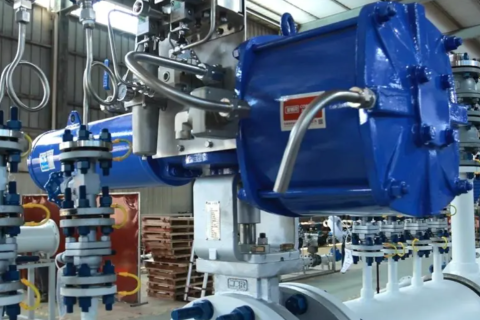
In summary, a Steam Pressure Reducing Valve Station is a critical efficiency multiplier in any industrial steam system. It functions by delivering precise, application-specific pressure control, which in turn reduces energy waste, optimizes the performance of all connected components, and lowers overall operational costs. More than just a valve, it is a strategic asset for energy management. Partnering with a specialized manufacturer like Shenqi Machinery for a custom-designed, skid-mounted PRV station ensures that these efficiency gains are maximized, providing a robust, reliable, and cost-effective solution for sustainable plant operation.