

News
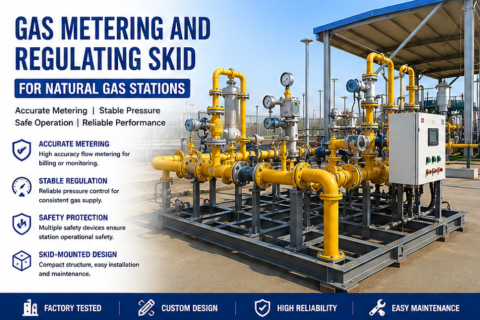
A gas metering and regulating skid for natural gas stations should be designed according to real gas conditions, station flow demand, pressure regulation requirements, metering accuracy, safety logic, control system, and site layout. It is not only a gas regulator package, but a complete station-side gas control and measurement solution. For industrial buyers, the safest approach is to provide complete project data and work with a supplier that can support engineering design, component selection, factory assembly, testing, documentation, and delivery as one integrated skid-mounted system.
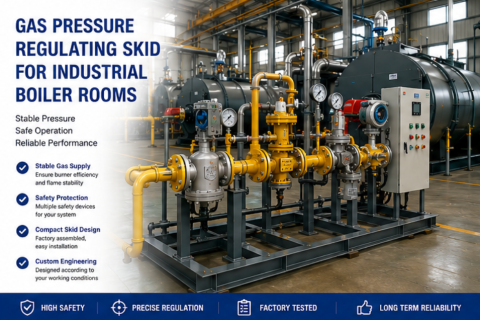
A gas pressure regulating skid for industrial boiler rooms should be selected according to real boiler gas demand, pressure range, flow conditions, safety requirements, control needs, and site layout. A complete skid solution helps stabilize gas pressure, protect the boiler burner system, simplify installation, and reduce operational risk. For industrial buyers, the best approach is to provide complete working conditions and work with a supplier that can design, assemble, test, and document the gas regulating skid as an integrated boiler room solution.
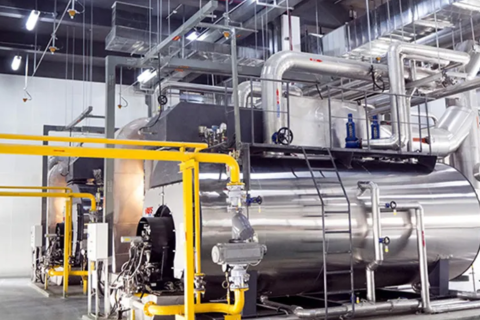
Comparing custom skid system suppliers beyond price alone helps buyers reduce procurement risk and avoid hidden costs. Price is important, but it should be evaluated together with engineering capability, scope completeness, component quality, safety configuration, manufacturing quality, testing capability, documentation, delivery control, and after-sales support. For industrial projects, the right supplier should provide more than equipment. They should provide an engineered solution that supports safe operation, stable performance, easier installation, and reliable long-term maintenance.
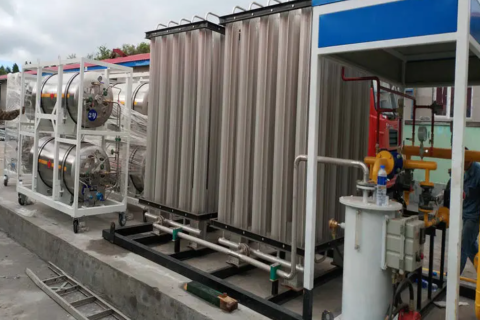
Factory Acceptance Testing is a key step in skid system procurement. It helps buyers verify scope, assembly quality, pressure integrity, leakage performance, instrument installation, control functions, safety logic, documents, and shipment readiness before the skid leaves the factory. For industrial projects, a well-planned FAT process can reduce installation risk, commissioning delays, site modification, and documentation disputes. Buyers should define the FAT scope early and request clear test records, inspection reports, photos, and final documents before approving shipment.
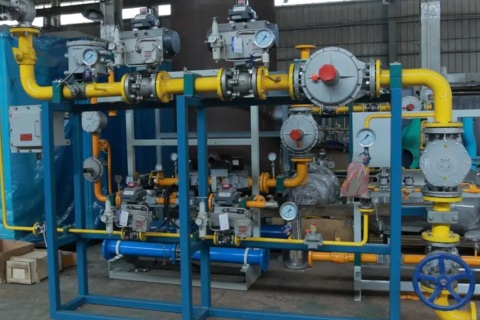
Choosing a gas metering and regulating skid for industrial projects requires a complete review of gas conditions, metering accuracy, regulator design, safety devices, instruments, layout, testing, calibration, and documentation. A reliable skid should not only reduce pressure but also measure gas flow accurately and protect downstream equipment. For buyers, the safest procurement approach is to provide complete working conditions and compare suppliers by system engineering capability, not price alone. A well-designed skid can improve pressure stability, metering reliability, installation efficiency, and long-term operational safety.
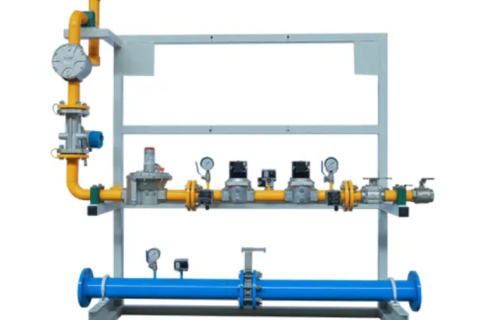
Reducing noise and vibration in steam pressure reducing systems requires a complete engineering approach. Buyers should review pressure drop, valve sizing, valve trim, actuator stability, steam velocity, piping layout, pipe supports, drainage, desuperheating performance, testing, and commissioning. A well-designed steam pressure reducing system can provide stable pressure, lower noise, reduced vibration, longer valve life, safer operation, and lower maintenance cost. For industrial projects, these factors should be confirmed before procurement to avoid expensive site problems later.
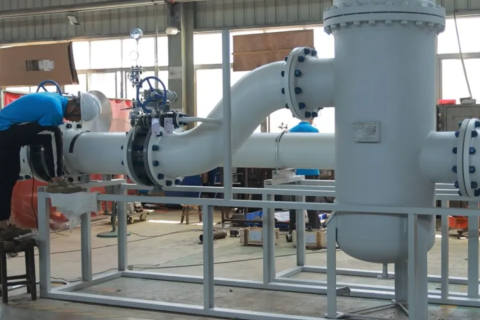
Documents are a key part of steam pressure reducing skid procurement. Buyers should provide complete technical data before quotation and request clear proposal documents, approved engineering drawings, inspection records, test reports, delivery documents, and operation manuals from the supplier. A complete document package reduces procurement risk, improves technical communication, supports factory inspection, simplifies site installation, and helps future maintenance. For customized steam pressure reducing skids, good documentation is just as important as good equipment.
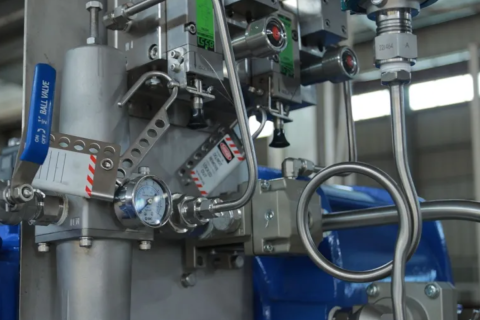
Selecting a skid-mounted steam control system for boiler rooms requires a complete review of steam parameters, downstream pressure requirements, control valve sizing, instrumentation, safety protection, drainage, layout, testing, and documentation. A good system should provide stable steam pressure, safe operation, easy maintenance, and reliable long-term performance. For project buyers, the best approach is to provide complete working conditions and work with a supplier that can design the steam control skid as a complete engineered package rather than a simple valve assembly.
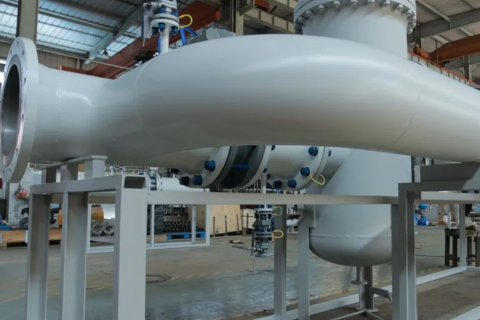
Spray water conditions play a major role in steam desuperheating performance. Water pressure affects atomization, water flow affects cooling capacity, water temperature affects heat absorption, and water quality affects nozzle reliability and long-term maintenance. For industrial steam systems, buyers should provide complete spray water data before ordering a desuperheater. A well-designed system combines proper nozzle selection, stable spray water control, accurate temperature feedback, suitable piping layout, and reliable drainage to achieve stable outlet steam temperature and safe operation.
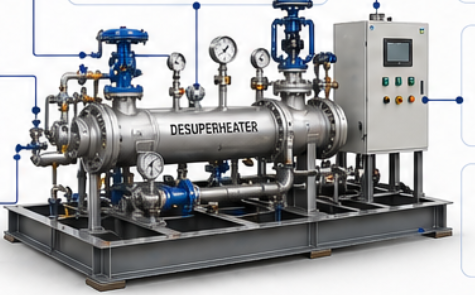
Ordering a steam desuperheater requires careful review of steam conditions, spray water conditions, atomization quality, control method, piping layout, drainage, testing, and documentation. A desuperheater that is selected only by pipe size or price may fail to provide stable temperature control in real operation. For industrial buyers, the safest approach is to provide complete process data and work with a supplier that can review the full steam pressure reducing and desuperheating system. Correct selection helps improve temperature stability, protect downstream equipment, reduce water carryover, and improve long-term system reliability.