



- Home
- >
- News
- >
- Industry news
- >
News
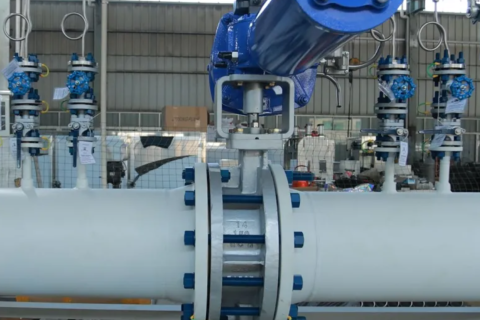
To ensure long-term stability in gas and steam control systems, the focus should be on the whole control environment rather than on one component alone. Correct regulator and valve sizing, sound piping arrangement, effective condensate management, disciplined commissioning, and planned maintenance all work together to protect control accuracy and operating reliability. When these points are confirmed early and managed consistently, gas and steam systems are much more likely to operate safely, efficiently, and steadily over the long term.
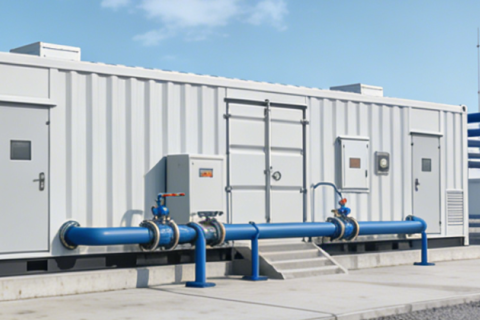
The testing points that matter most before industrial skid delivery are usually the ones that prove three things at the same time: the skid can safely contain pressure, the control and instrument loops work as intended, and the delivered package is fully documented and ready for handover. Pressure and leak testing answer the containment question; FAT, loop checks, and calibration answer the functionality question; and punch-list closure plus documented records answer the delivery-readiness question. When these three areas are covered properly, skid delivery becomes far more reliable and project risk drops significantly.
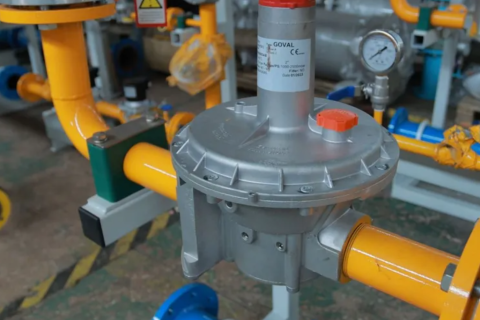
To reduce delivery risk in custom pressure and piping systems, the most effective approach is to control the project in three layers: first, freeze the design basis and interfaces early; second, manage long-cycle items, fabrication, and testing as one schedule; third, release shipment only after technical tests, punch lists, and handover documents are fully closed. When these three layers are managed together, delivery becomes more predictable, rework is reduced, and the system is far more likely to arrive ready for installation and startup rather than only ready for transport.
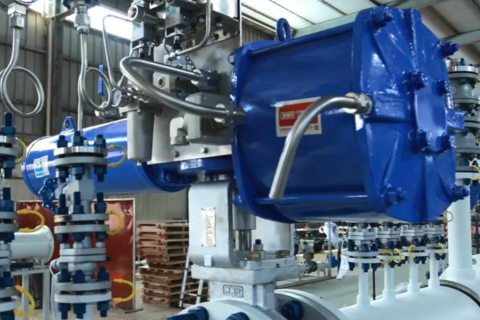
To reduce condensate problems in steam pressure control systems, the most effective approach is to work in three layers: keep wet steam out of the control section with separators and trap sets, build proper drainage into the steam main and the pressure reducing station, and then manage trap selection, back pressure, and maintenance correctly. When these three layers are handled together, the system is much more likely to deliver dry steam, stable pressure control, and longer equipment life.
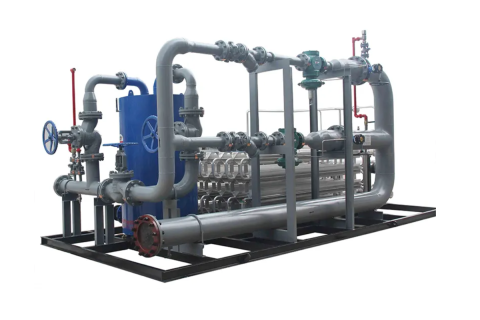
To reduce leakage risk in gas pressure regulator systems, the most effective approach is to work in layers: choose materials and venting arrangements that fit the gas, prevent contamination and pipe stress from damaging the regulator, add proper overpressure protection, and maintain the system before small seal problems become large release events. Leakage risk usually falls when the regulator is treated as part of a complete pressure-control system rather than as a single standalone component.
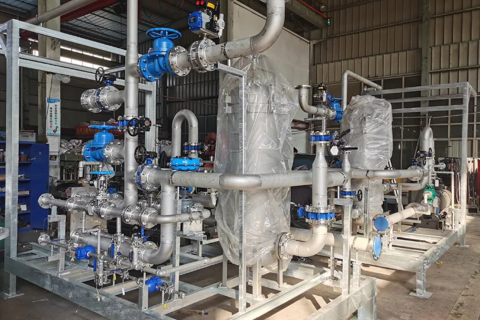
Comparing chemical process pump skids by purchase price alone often leads to the wrong decision. The U.S. Department of Energy’s pump life cycle cost guidance says the real cost of a pumping system usually includes not just initial purchase, but also installation and commissioning, energy, operation, maintenance and repair, downtime, environmental cost, and eventual disposal. Hydraulic Institute guidance adds that pump systems are generally optimized around total cost of ownership, which often means spending more up front for lower energy use, less maintenance, higher reliability, and longer service life.
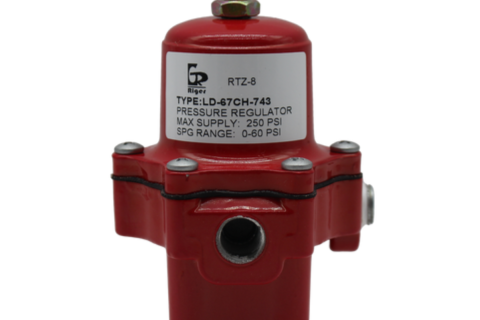
In summary, the main or primary gas pressure regulating valve is the intelligent, automated heart of a pressure control system. It is the dedicated component responsible for establishing and maintaining the target system pressure through continuous self-adjustment. Its design, selection, and integration are critical engineering decisions that determine the stability, efficiency, and safety of the entire downstream gas network. From a simple direct-operated valve to a sophisticated pilot-operated system, its proper application ensures that variable, high-pressure supply gas is transformed into a consistent, usable utility. When expertly incorporated into a prefabricated skid with appropriate safety redundancies and monitoring, it provides the dependable, precise, and safe pressure regulation that modern industrial and commercial gas applications fundamentally require. Understanding its function is key to specifying and operating effective gas pressure infrastructure.
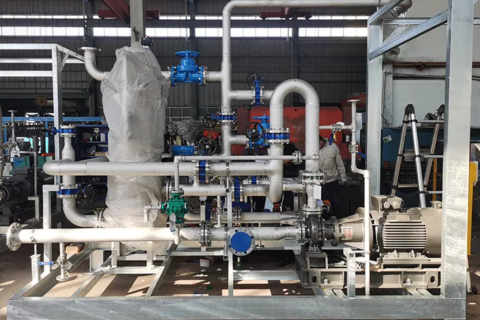
In conclusion, a chemical process pump skid is a masterfully integrated engineering solution that transcends the sum of its parts. It is a purpose-built, automated fluid handling system that delivers precision, safety, and reliability for the controlled management of industrial chemicals. By consolidating pumps, tanks, controls, and safety features onto a single, pre-fabricated platform, it eliminates the complexities and inconsistencies of field assembly. The result is a robust, code-compliant, and performance-guaranteed package that reduces project risk, accelerates time-to-operation, and ensures consistent process results. For industries where accurate chemical addition is vital to product quality, operational safety, and regulatory compliance, the chemical process pump skid is not merely a piece of equipment—it is a foundational component of modern, efficient, and responsible plant operation. It embodies the shift towards smart, modular, and off-site fabricated industrial systems that deliver certainty in an uncertain project landscape.
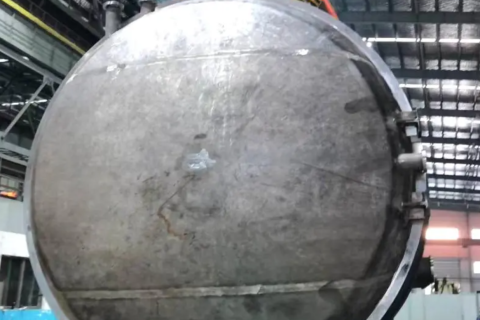
In summary, a carbon steel pressure vessel is far more than a simple metal tank. It is a precision-engineered, code-compliant containment system that forms a critical, reliable node in industrial fluid handling. Its design leverages the proven strength and workability of carbon steel to deliver a safe, durable, and cost-effective solution for operating under pressure. From its initial design calculations and meticulous fabrication to its final integration and safety validation, every aspect is controlled to ensure unwavering integrity. Whether functioning as a standalone storage unit or as the heart of a complex skid-mounted module, the carbon steel pressure vessel's role is indispensable. It safely enables the separation, reaction, storage, and conditioning of process media, providing the foundational infrastructure upon which countless industries rely for efficient, continuous, and safe operation. Its reliable performance is a testament to advanced manufacturing and a cornerstone of modern industrial plant design.
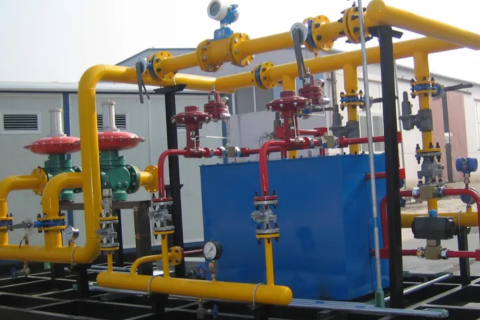
In conclusion, the shift from traditional field construction to prefabricated skid modules represents a fundamental advancement in project execution philosophy. It is a move from a high-risk, sequential, and labor-intensive site-based activity to a predictable, parallel, and quality-focused manufacturing process. The advantages are comprehensive and compelling: dramatic reductions in project schedule and financial risk, a quantum leap in built quality and worker safety, and the delivery of an operational asset that is easier to commission, more reliable to run, and inherently adaptable for the future. For plant owners and operators seeking a competitive edge, the decision to adopt skid modules is not merely an equipment choice; it is a strategic investment in predictability, efficiency, and long-term operational excellence. It embodies the modern industrial imperative of doing more, with higher quality, in less time and with less risk.
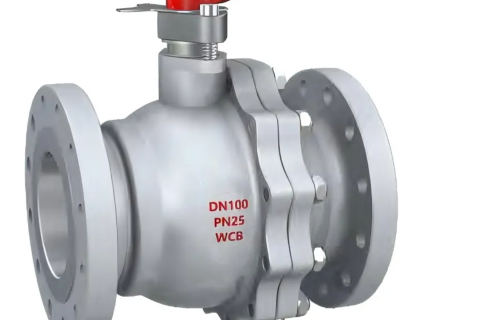
In conclusion, ball valves are far more than simple piping components within a skid-mounted system; they are fundamental actuators of control, enablers of efficiency, and guardians of safety. Their role spans from providing basic, reliable isolation to facilitating complex flow schemes and executing critical automated safety functions. The precision with which they are selected, specified, and integrated—based on exact process requirements and within a meticulously engineered skid layout—is a direct reflection of the system fabricator’s expertise. A skid equipped with correctly chosen, properly installed, and thoroughly tested ball valves delivers the operational reliability, safety integrity, and maintenance readiness that define a high-quality, professional fluid or gas control package. Their quiet, dependable operation is essential to the seamless functionality of the entire modular unit, solidifying their status as a cornerstone of modern industrial skid design.
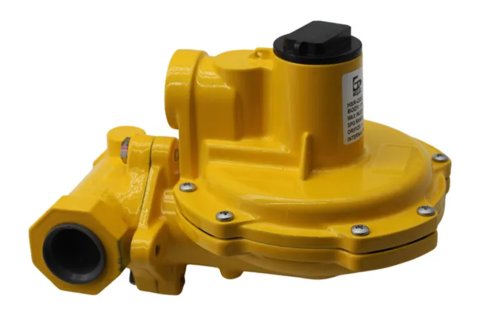
In summary, a dual-stage gas pressure regulator is a precision-engineered control device that achieves superior performance by dividing the pressure reduction task into two sequential, isolated stages. This architecture is specifically designed to deliver unmatched outlet pressure stability, enhanced safety, and reliable operation under demanding conditions involving high inlet pressure, large pressure drops, or wide flow variations. Far from being a standalone component, it functions as the critical control heart within larger, integrated systems. For engineers and operators specifying equipment for critical gas applications, understanding the function and benefits of a dual-stage regulator is key to selecting a solution that ensures process integrity, protects valuable assets, and guarantees long-term, trouble-free operation. Its role is fundamental in building robust and reliable industrial gas infrastructure.