

- Home
- >
News
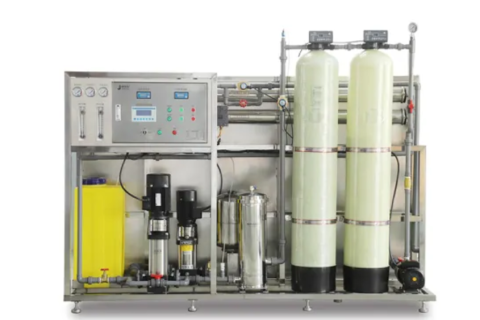
The most common mistakes in steam pressure reducing system procurement include incomplete steam data, price-only comparison, poor control valve selection, missing safety and layout details, and unclear testing requirements. These mistakes can lead to unstable pressure, excessive noise, temperature control problems, installation delays, and higher maintenance costs. A safer procurement process starts with complete technical information and a clear scope of supply. Buyers should work with a manufacturer that can review the full steam system, not only provide individual components. A well-specified steam pressure reducing system improves process stability, safety, and long-term reliability.
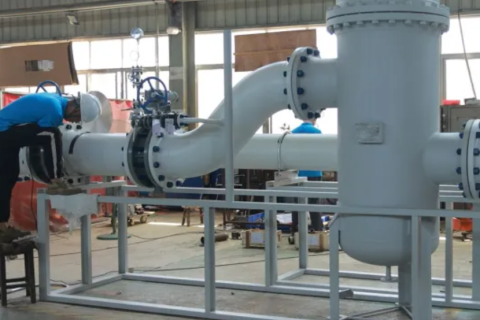
Control valve selection is one of the most important decisions in a steam pressure reducing system. The right valve can provide stable outlet pressure, accurate flow control, lower noise, reduced vibration, longer service life, and safer operation. The wrong valve can cause unstable pressure, excessive noise, erosion, maintenance problems, and poor system performance. For industrial projects, buyers should evaluate control valves based on actual steam pressure, temperature, flow range, pressure drop, valve trim, actuator, positioner, safety requirements, and full skid integration. A reliable steam pressure reducing system depends on correct engineering selection, not only component price.
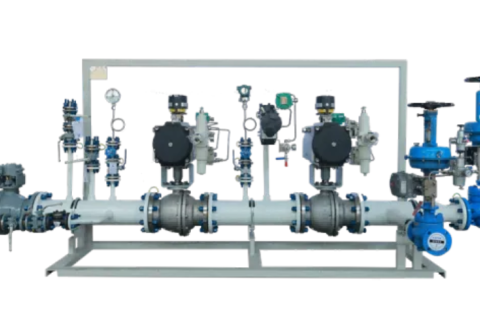
Before quoting a steam pressure control skid, the buyer should prepare complete technical information instead of only asking for a general price. Key data includes steam pressure, temperature, flow range, steam type, spray water conditions, control accuracy, safety requirements, scope of supply, site layout, and documentation needs. A complete inquiry helps the manufacturer select the right valves, desuperheater, instruments, control system, and skid structure. It also helps the buyer receive a more accurate quotation, compare proposals fairly, and reduce procurement risk before production starts.
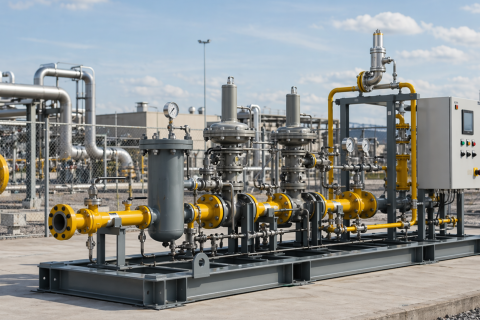
A gas pressure regulating skid specification should be a practical engineering document, not just a simple request for price. It should define the full working condition, equipment scope, design basis, material requirements, instrument needs, safety philosophy, test expectations, and documentation package. When the specification is complete, the supplier can provide a more accurate technical proposal, and the buyer can evaluate quotations more fairly and reduce project risk. For industrial projects, a detailed specification is one of the best ways to improve procurement efficiency, avoid change orders, and ensure that the final skid performs safely and reliably in real operating conditions.
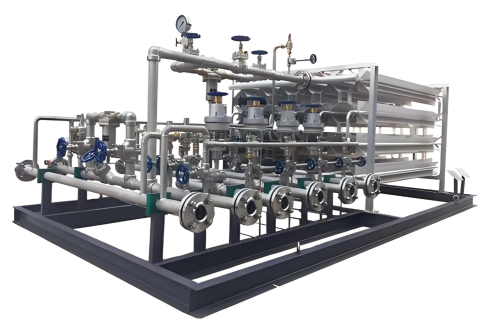
Selecting the right steam pressure control skid is a systematic process that balances precise process definition, rigorous technical evaluation, and a partnership with a capable manufacturer. It requires looking beyond a simple component list to understand the integrated system's design philosophy, safety integrity, and fabrication quality. By methodically defining your needs, scrutinizing the technical design for reliability and safety, and verifying the supplier's ability to deliver and support a fully validated package, you secure more than just equipment—you invest in a cornerstone of your plant's utility infrastructure that guarantees safe, efficient, and stable steam supply for years to come. Partnering with an expert integrator like Shenqi transforms this complex selection process into a streamlined path to operational excellence.
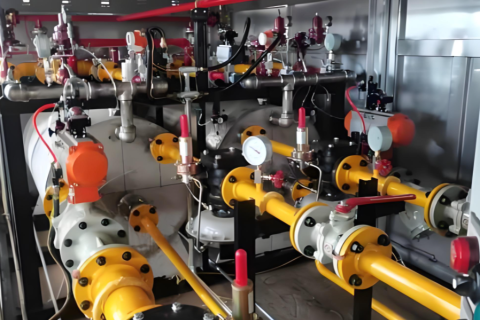
In summary, a Gas Pressure Regulating Skid is a cornerstone of industrial safety, not merely a utility. It ensures protection through a triad of critical measures: precise and stable pressure control, integrated multi-layered safety mechanisms, and the inherent reliability gained from controlled factory fabrication and exhaustive testing. For industries relying on gas, investing in a high-quality skid from a reputable supplier like Shanghai Shenqi Machinery is a direct investment in preventing costly downtime, protecting valuable assets, and, most importantly, safeguarding personnel and the plant environment.
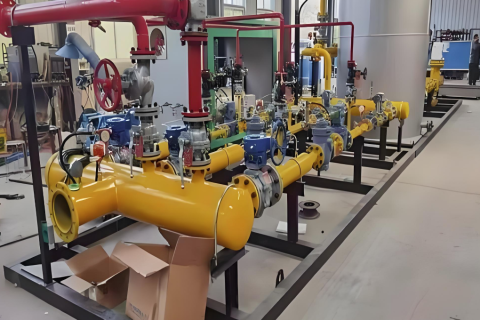
In industrial operations, unplanned downtime is the enemy of productivity and profitability. A single pressure surge or supply interruption can halt production for hours or even days. Gas pressure regulating skids serve as the first and most critical line of defense against these disruptive events. This article explores the three key ways these engineered systems act as silent guardians, preventing costly plant shutdowns.