



- Home
- >
News
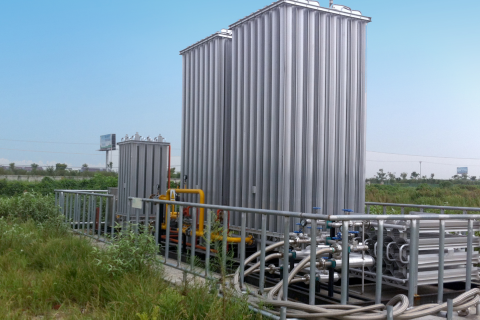
The right natural gas pressure regulator is the one that fits the actual pressure and flow duty, works safely with proper overpressure protection, and remains accessible for maintenance and inspection. Stable flow and safety usually come from correct system matching, not from brand name or nominal size alone.
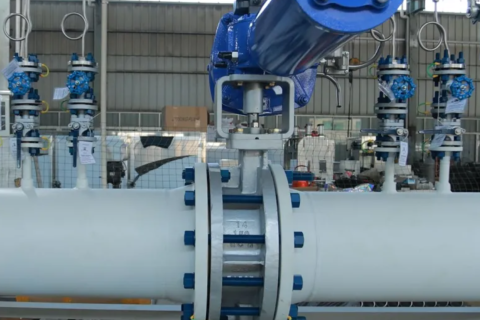
To ensure long-term stability in gas and steam control systems, the focus should be on the whole control environment rather than on one component alone. Correct regulator and valve sizing, sound piping arrangement, effective condensate management, disciplined commissioning, and planned maintenance all work together to protect control accuracy and operating reliability. When these points are confirmed early and managed consistently, gas and steam systems are much more likely to operate safely, efficiently, and steadily over the long term.
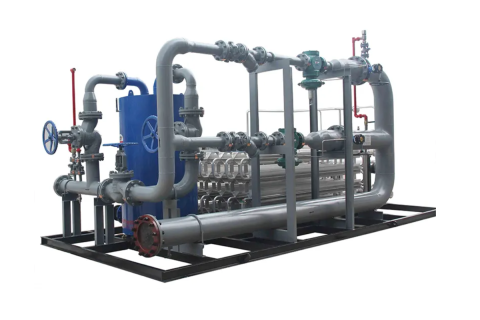
To reduce leakage risk in gas pressure regulator systems, the most effective approach is to work in layers: choose materials and venting arrangements that fit the gas, prevent contamination and pipe stress from damaging the regulator, add proper overpressure protection, and maintain the system before small seal problems become large release events. Leakage risk usually falls when the regulator is treated as part of a complete pressure-control system rather than as a single standalone component.
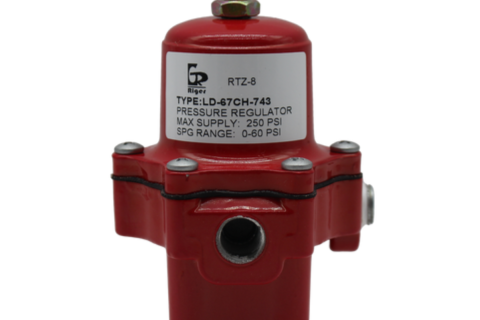
In summary, the main or primary gas pressure regulating valve is the intelligent, automated heart of a pressure control system. It is the dedicated component responsible for establishing and maintaining the target system pressure through continuous self-adjustment. Its design, selection, and integration are critical engineering decisions that determine the stability, efficiency, and safety of the entire downstream gas network. From a simple direct-operated valve to a sophisticated pilot-operated system, its proper application ensures that variable, high-pressure supply gas is transformed into a consistent, usable utility. When expertly incorporated into a prefabricated skid with appropriate safety redundancies and monitoring, it provides the dependable, precise, and safe pressure regulation that modern industrial and commercial gas applications fundamentally require. Understanding its function is key to specifying and operating effective gas pressure infrastructure.
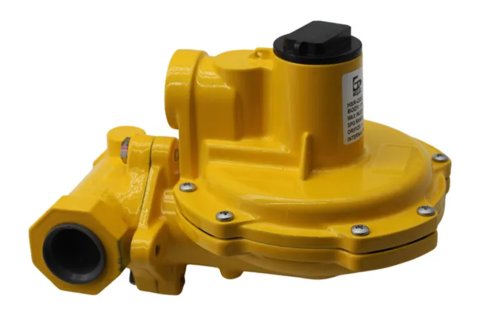
In summary, a dual-stage gas pressure regulator is a precision-engineered control device that achieves superior performance by dividing the pressure reduction task into two sequential, isolated stages. This architecture is specifically designed to deliver unmatched outlet pressure stability, enhanced safety, and reliable operation under demanding conditions involving high inlet pressure, large pressure drops, or wide flow variations. Far from being a standalone component, it functions as the critical control heart within larger, integrated systems. For engineers and operators specifying equipment for critical gas applications, understanding the function and benefits of a dual-stage regulator is key to selecting a solution that ensures process integrity, protects valuable assets, and guarantees long-term, trouble-free operation. Its role is fundamental in building robust and reliable industrial gas infrastructure.
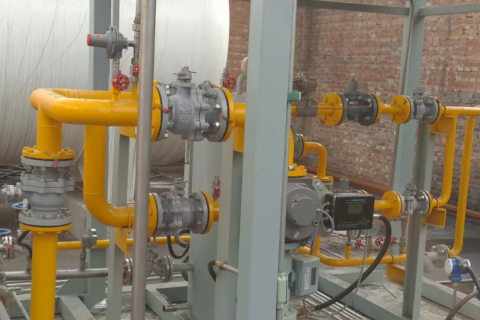
The gas pressure regulator is, unequivocally, the essential component within a complete NG regulation system. It is the primary actuator of stability, the guardian of downstream processes, and the focal point around which safety and ancillary systems are integrated. Its selection, specification, and integration demand expert consideration to achieve the desired balance of precision, reliability, and safety. A well-chosen regulator, expertly embedded within a professionally designed and manufactured skid package, provides the foundational control that enables industrial facilities to operate efficiently, safely, and economically. It transforms variable pipeline energy into a precise and dependable tool for production, embodying the critical role of specialized engineering in modern industrial infrastructure.
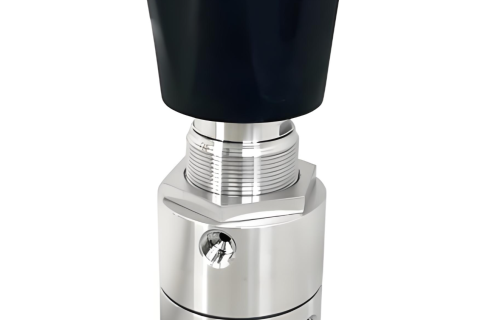
Choosing the correct type of gas pressure regulator is a foundational decision that dictates the performance, safety, and cost-effectiveness of the entire pressure control system. There is no one-size-fits-all solution. Direct-operated regulators offer reliable simplicity for general duties, pilot-operated regulators deliver the precision required for critical industrial applications, and specialized types like dome-loaded or monitor valves provide tailored control and safety functions. The expertise of an experienced integrator like Shanghai Shenqi Machinery lies in meticulously analyzing the application parameters—pressure ranges, flow rates, gas composition, accuracy needs, and safety standards—to architect a skid-mounted system that harmonizes the most appropriate regulator technologies. This engineering-led selection ensures a solution that is not only functionally robust but also optimized for long-term reliability and value.
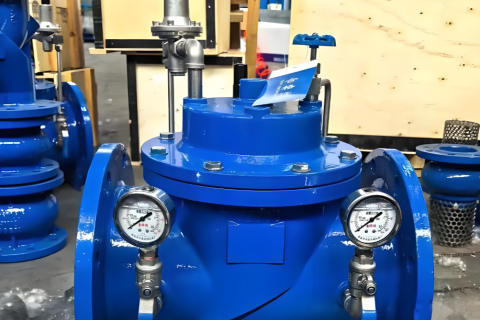
In conclusion, the choice between spring-loaded and dome-loaded pressure regulators is not about one being universally better, but about selecting the right technology for the application. Spring-loaded regulators offer a robust, economical solution for general duties, while dome-loaded regulators provide the high-fidelity control essential for critical, high-accuracy processes.