

- Home
- >
- News
- >
- Industry news
- >
News
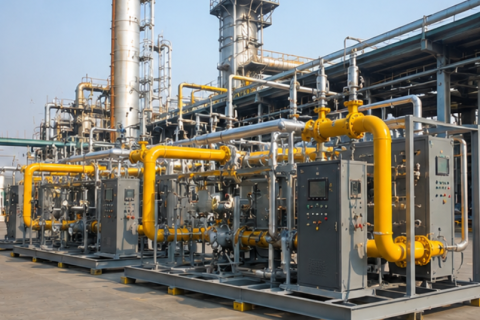
A custom skid-mounted system for energy and utility projects should be designed according to real working conditions, process requirements, safety logic, control needs, site layout, testing standards, and documentation requirements. For industrial buyers, choosing a qualified custom skid-mounted system manufacturer can reduce project risk, simplify installation, improve quality control, and support long-term operation for gas, steam, energy, and utility systems.
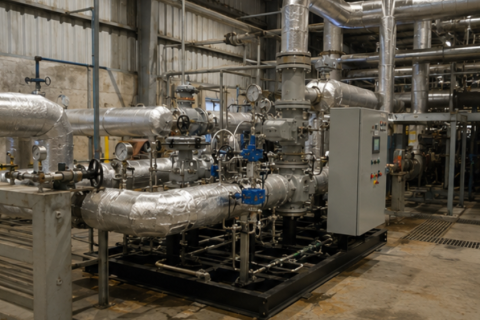
A Steam PRDS system for pressure and temperature control should be designed according to real steam conditions, outlet requirements, spray water conditions, downstream application, control accuracy, safety protection, piping layout, testing standards, and documentation needs. For industrial buyers, choosing a qualified Steam PRDS system supplier can help improve pressure stability, control outlet temperature, protect downstream equipment, reduce site installation risk, and support reliable long-term steam system operation.
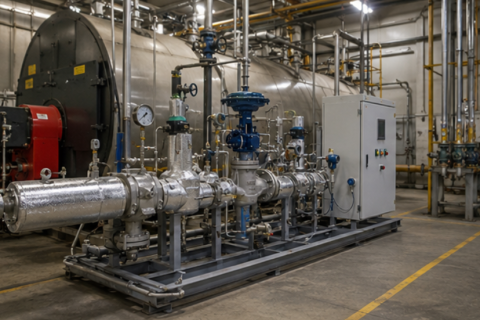
A steam pressure reducing skid for boiler room projects should be designed according to real inlet pressure, outlet pressure, steam temperature, flow range, downstream equipment, safety requirements, drainage design, site layout, testing standards, and documentation needs. For industrial buyers, choosing a qualified steam pressure reducing skid manufacturer can improve steam pressure stability, reduce installation risk, protect downstream equipment, and support reliable long-term boiler room operation.
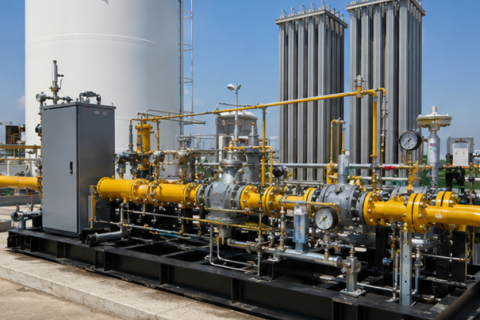
A gas regulating skid for LNG satellite stations should be designed according to vaporized gas pressure, required outlet pressure, gas flow range, downstream user demand, safety protection, outdoor installation conditions, testing standards, and documentation requirements. For industrial users, choosing a reliable LNG satellite station gas regulating skid supplier can help improve gas supply stability, reduce installation risk, protect downstream equipment, and support safe long-term natural gas operation.
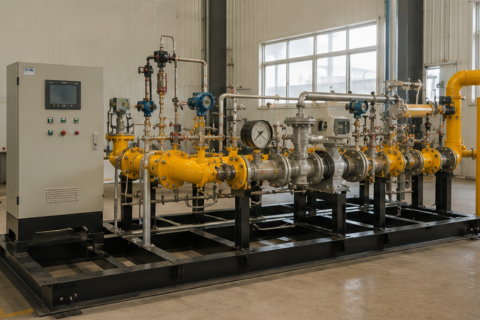
A natural gas metering skid for gas station projects should be designed according to gas medium, gas composition, pressure, temperature, flow range, metering accuracy, station layout, signal output, calibration requirements, testing standards, and documentation needs. For industrial buyers, choosing a qualified natural gas metering skid manufacturer can help improve measurement accuracy, reduce site installation risk, simplify project delivery, and support reliable long-term station operation.
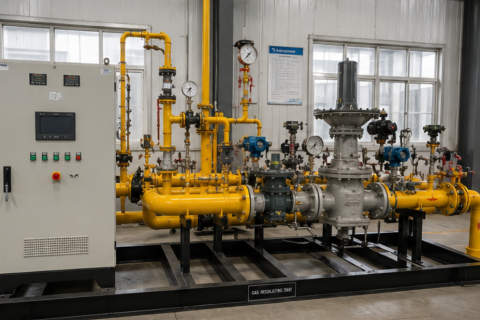
A gas regulating skid quotation for industrial projects should be based on complete working conditions, not only pipe size or a general product name. Buyers should provide gas medium, pressure, flow range, application, safety requirements, control requirements, site layout, testing requirements, and documentation needs. A clear quotation checklist helps reduce technical misunderstanding, avoid missing components, control project risk, and make supplier comparison more reliable. For custom gas regulating skid projects, accurate input data is the first step toward a safe and suitable solution.
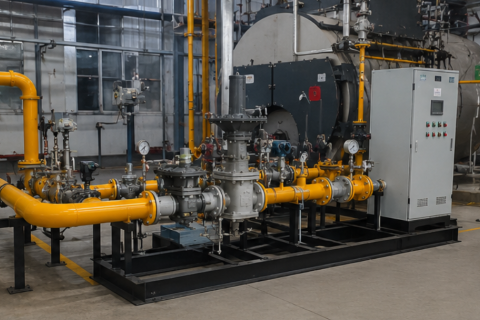
A natural gas pressure regulating skid for factory gas supply systems should be designed according to gas medium, inlet pressure, outlet pressure, flow range, factory equipment demand, safety protection, site layout, control requirements, testing standards, and documentation requirements. For industrial buyers, choosing a qualified natural gas pressure regulating skid supplier can help improve factory gas supply stability, protect downstream equipment, reduce installation risk, and support safe long-term operation.
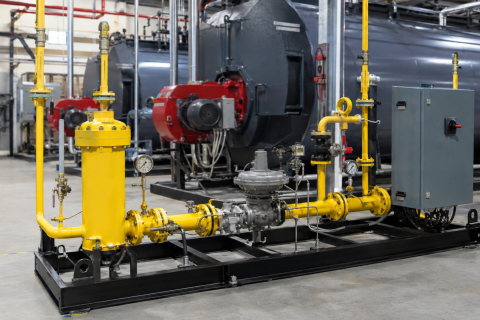
A gas pressure regulating skid for industrial boiler room projects should be designed according to real gas medium, inlet pressure, outlet pressure, flow range, boiler capacity, burner demand, safety protection, site layout, testing standards, and documentation requirements. For project buyers, choosing a qualified gas pressure regulating skid manufacturer can help improve boiler room gas supply stability, reduce site installation risk, protect downstream equipment, and support safe long-term operation.
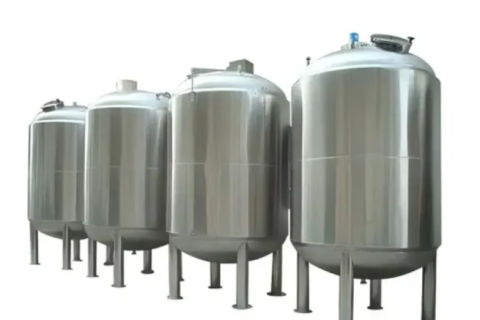
What matters most in ASME pressure vessel work is not one isolated detail, but the continuity between code basis, fabrication quality, inspection evidence, and final testing. A strong vessel project is one where all four stay connected from beginning to handover.
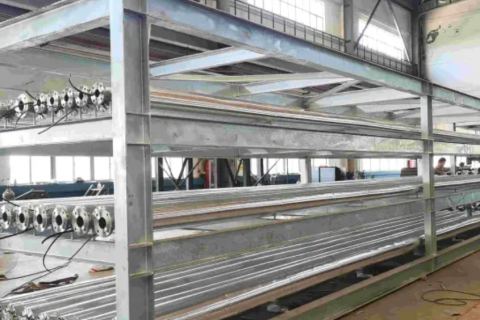
Prefabricated piping spools reduce installation time and site welding risk because they move more fabrication into a controlled environment, reduce field hot work, and make site assembly faster and more predictable. The value is not only speed; it is also reduced project uncertainty.
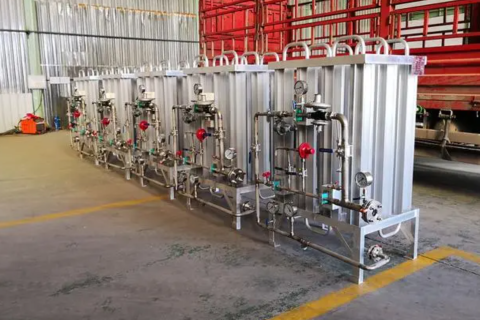
Before pressure regulation and metering, the most important things to remove or control are moisture, acid gases such as H2S and CO2, and solid or liquid contaminants that threaten equipment or measurement quality. Clean gas is not only a quality target; it is also a control and reliability requirement.
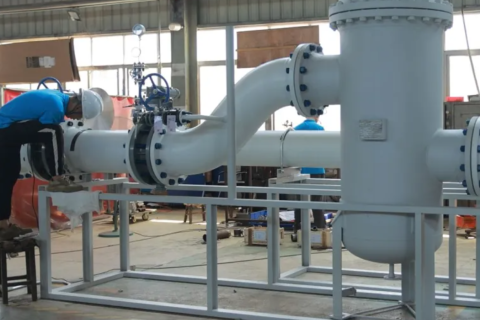
To improve steam temperature control, pressure reducing and desuperheating stations should match the desuperheater type to the duty, ensure proper atomization and mixing, and verify control performance across the full operating range. Good temperature control is a station-level result, not a nozzle-level feature.