

- Home
- >
News
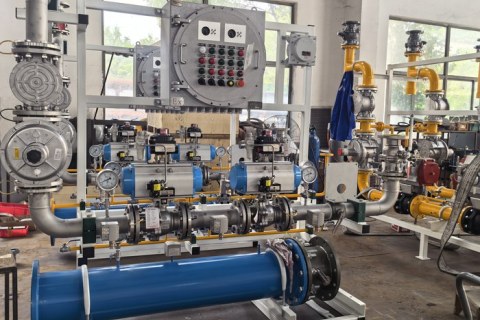
In September 2026, Shanghai Shenqi documented workshop production and quality checks for gas control skids, automated valve assemblies and a large industrial burner system.
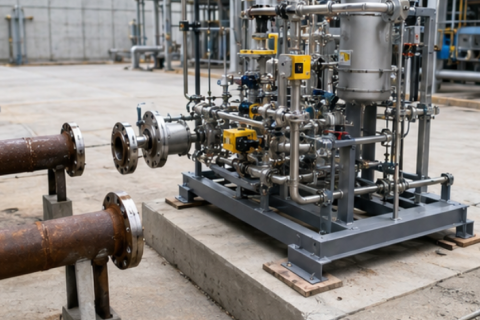
Why Custom Skid Systems Fail During Site Commissioning project guide covering Shenqi gas pressure steam pressure skid module valve commissioning and RFQ checks.
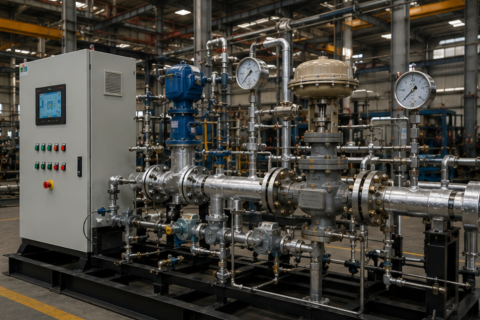
Common mistakes in custom skid-mounted system design include using pipe size as the only design basis, ignoring low-load and peak-load conditions, treating safety devices as optional items, leaving insufficient maintenance access, and separating mechanical layout from control logic. A properly designed custom skid-mounted system should be based on real working conditions, complete safety review, correct component selection, practical layout, factory testing, and clear project documentation.
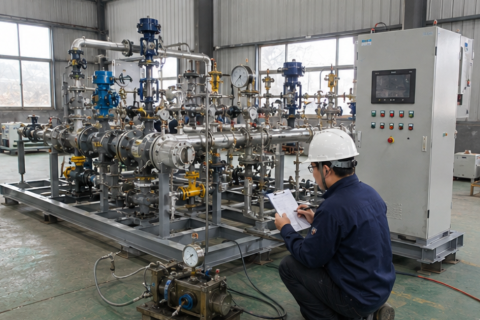
Preparing complete working conditions is the most important step before requesting a custom skid system quote. Buyers should provide medium type, pressure, temperature, flow range, application, control requirements, safety requirements, site layout, testing scope, and documentation needs. Clear project information helps the supplier prepare a more accurate quotation, reduce technical changes, avoid missing components, and design a skid-mounted system that fits the real project site.
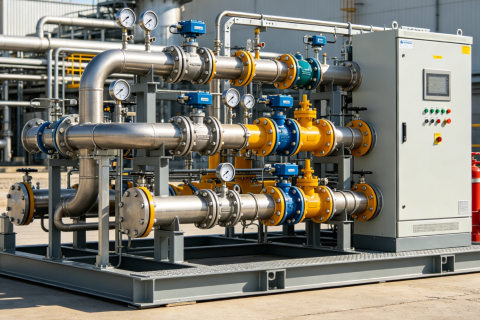
A custom skid-mounted system for energy and utility projects should be designed according to real working conditions, process requirements, safety logic, control needs, site layout, testing standards, and documentation requirements. It is not only an equipment package, but an engineered solution for reliable project operation. For industrial buyers, choosing a qualified skid system supplier can reduce project risk, simplify installation, improve quality control, and support long-term operation and maintenance for gas, steam, energy, and utility systems.
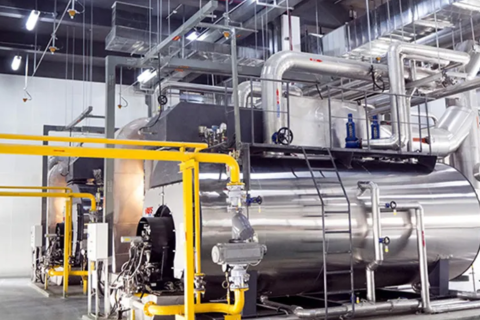
Comparing custom skid system suppliers beyond price alone helps buyers reduce procurement risk and avoid hidden costs. Price is important, but it should be evaluated together with engineering capability, scope completeness, component quality, safety configuration, manufacturing quality, testing capability, documentation, delivery control, and after-sales support. For industrial projects, the right supplier should provide more than equipment. They should provide an engineered solution that supports safe operation, stable performance, easier installation, and reliable long-term maintenance.