



- Home
- >
News
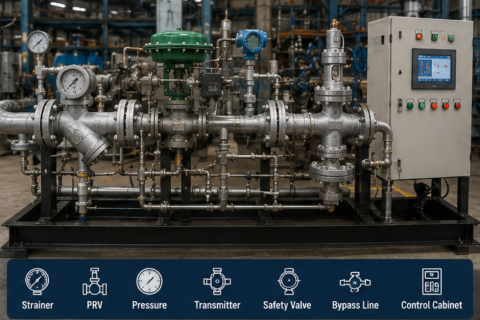
Why Steam Pressure Is Stable At Boiler But Unstable After PRV project guide covering Shenqi gas pressure steam pressure skid module valve commissioning and RFQ checks.
Steam pressure fluctuation in boiler room systems may be caused by sudden load changes, incorrect PRV sizing, blocked strainers, condensate accumulation, poor drainage, unstable boiler operation, undersized piping, or poor skid layout. A properly designed steam pressure reducing skid can help stabilize outlet pressure, protect downstream production equipment, reduce control valve hunting, improve monitoring, and support safer long-term steam system operation.
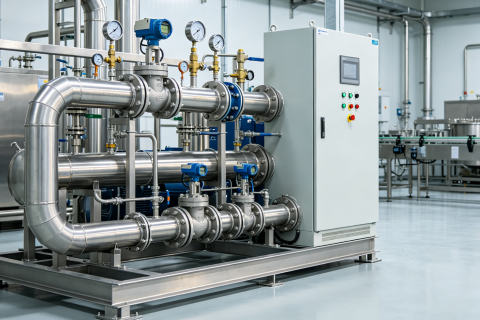
A steam pressure reducing system for food processing plants should be designed according to real steam pressure, temperature, flow range, downstream equipment, hygiene requirements, drainage design, safety protection, control accuracy, and documentation standards. For food industry buyers, a properly engineered skid-mounted steam pressure reducing system can improve steam stability, protect production equipment, reduce installation risk, and support reliable long-term plant operation.
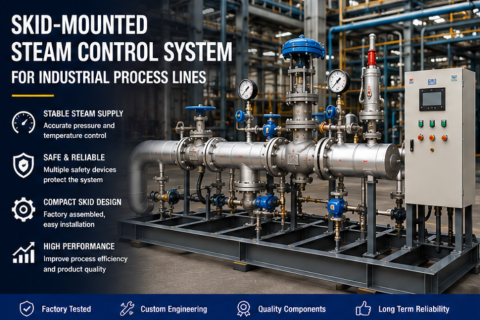
A skid-mounted steam control system for industrial process lines should be designed according to real steam pressure, temperature, flow range, downstream process requirements, control accuracy, safety protection, drainage design, automation interface, and documentation standards. For industrial buyers, a properly engineered skid-mounted system can improve process steam stability, reduce site installation risk, protect downstream equipment, and support long-term production reliability.
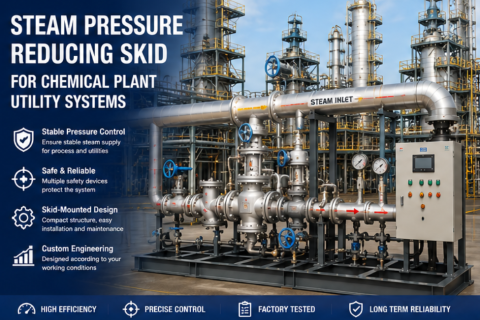
A steam pressure reducing skid for chemical plant utility systems should be selected according to real steam pressure, temperature, flow range, downstream process requirements, safety protection, drainage design, control accuracy, and documentation standards. It is not only a valve package, but a complete engineered steam control solution. For industrial buyers, the safest approach is to provide complete working conditions and work with a supplier that can design, assemble, test, and document the skid as an integrated chemical plant utility system.
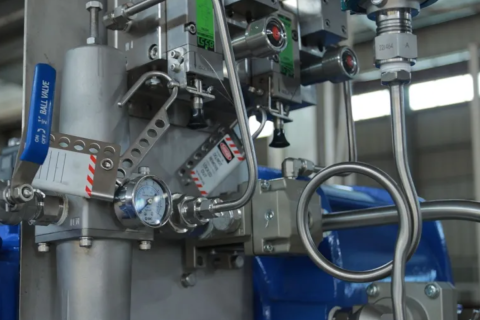
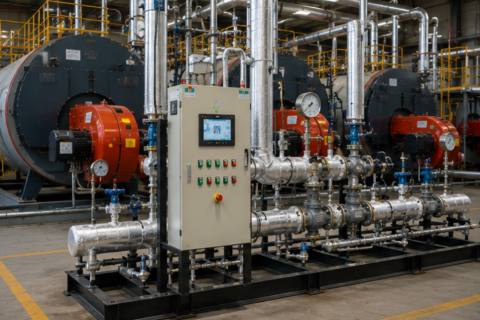
Selecting a skid-mounted steam control system for boiler rooms requires a complete review of steam parameters, downstream pressure requirements, control valve sizing, instrumentation, safety protection, drainage, layout, testing, and documentation. A good system should provide stable steam pressure, safe operation, easy maintenance, and reliable long-term performance. For project buyers, the best approach is to provide complete working conditions and work with a supplier that can design the steam control skid as a complete engineered package rather than a simple valve assembly.
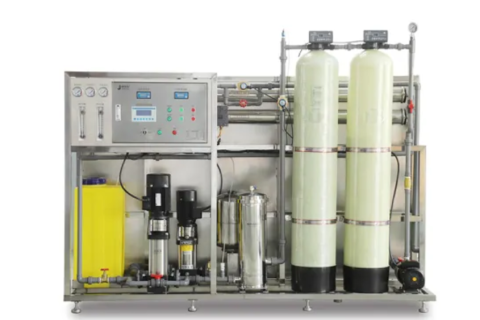
The most common mistakes in steam pressure reducing system procurement include incomplete steam data, price-only comparison, poor control valve selection, missing safety and layout details, and unclear testing requirements. These mistakes can lead to unstable pressure, excessive noise, temperature control problems, installation delays, and higher maintenance costs. A safer procurement process starts with complete technical information and a clear scope of supply. Buyers should work with a manufacturer that can review the full steam system, not only provide individual components. A well-specified steam pressure reducing system improves process stability, safety, and long-term reliability.
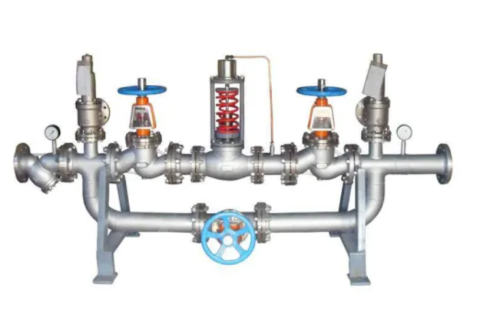
Stable steam pressure for industrial process lines depends on more than a single pressure reducing valve. It requires accurate steam demand analysis, correct control valve sizing, reliable instruments, suitable control logic, proper piping layout, safety protection, and thorough testing. For project buyers, the safest approach is to provide complete operating data and work with a manufacturer that can review the system as a complete steam pressure control skid. A well-designed system helps improve production stability, reduce energy waste, protect downstream equipment, and lower long-term maintenance risk.
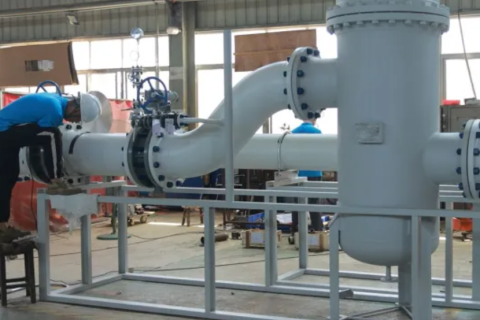
Control valve selection is one of the most important decisions in a steam pressure reducing system. The right valve can provide stable outlet pressure, accurate flow control, lower noise, reduced vibration, longer service life, and safer operation. The wrong valve can cause unstable pressure, excessive noise, erosion, maintenance problems, and poor system performance. For industrial projects, buyers should evaluate control valves based on actual steam pressure, temperature, flow range, pressure drop, valve trim, actuator, positioner, safety requirements, and full skid integration. A reliable steam pressure reducing system depends on correct engineering selection, not only component price.
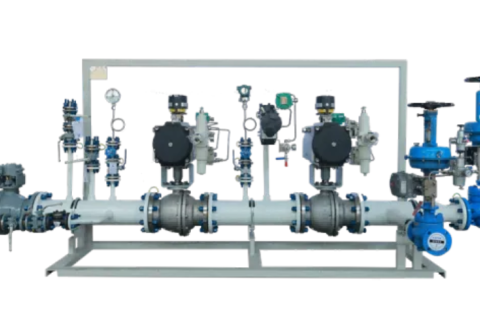
Before quoting a steam pressure control skid, the buyer should prepare complete technical information instead of only asking for a general price. Key data includes steam pressure, temperature, flow range, steam type, spray water conditions, control accuracy, safety requirements, scope of supply, site layout, and documentation needs. A complete inquiry helps the manufacturer select the right valves, desuperheater, instruments, control system, and skid structure. It also helps the buyer receive a more accurate quotation, compare proposals fairly, and reduce procurement risk before production starts.
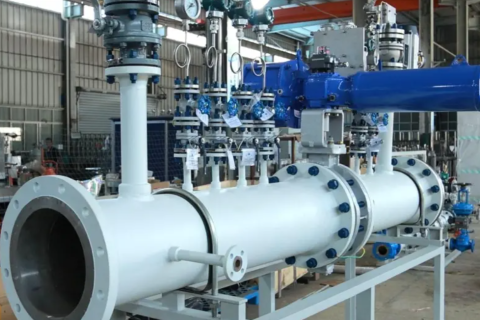
If pressure stability matters, the steam control system must be treated as a complete control environment rather than a single valve. Correct valve selection, proper piping and sensing arrangement, and dry steam with good condensate removal are the three factors that most often determine whether the system runs smoothly over time.
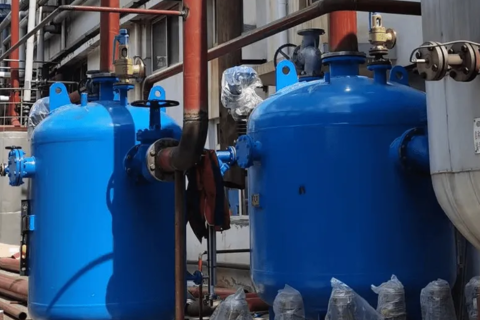
Pressure stability in a steam pressure reducing module is mainly affected by five things: whether the valve type matches the load pattern, whether the valve and piping are sized correctly, whether the sensing and installation layout is clean and stable, whether the steam is dry and free of damaging debris, and whether the module is properly commissioned and maintained. When those conditions are controlled together, the module is far more likely to hold steady downstream pressure over time instead of drifting into droop, hunting, or erratic response.