

News
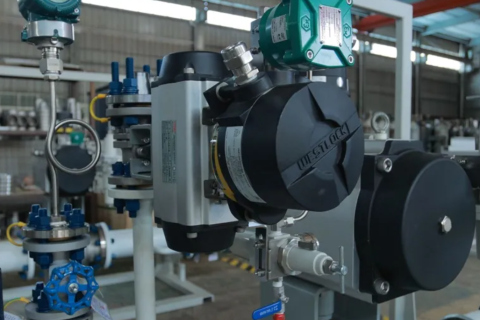
In summary, efficient skid systems are a powerful tool for industrial decarbonization. They achieve this not through a single feature, but through a holistic approach that combines superior process efficiency, waste-minimized manufacturing, and extended asset lifecycle. By investing in high-quality, optimized skid modules from experienced providers like Shanghai Shenqi Machinery, industries can significantly reduce their energy consumption, material waste, and overall carbon emissions, aligning operational excellence with environmental responsibility for a more sustainable future.
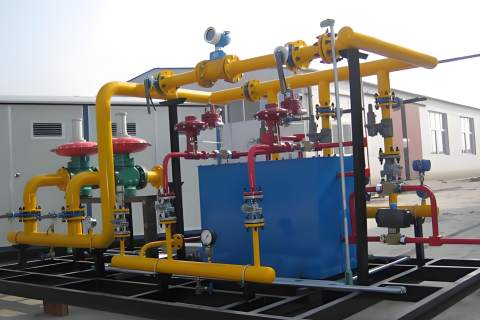
In conclusion, explosion-proof design in gas regulation skids is a sophisticated, multi-layered discipline that integrates intrinsic safety principles, robust mechanical engineering, and rigorous certification. It transforms a standard skid into a resilient safety system capable of operating reliably in hazardous atmospheres. By partnering with a knowledgeable manufacturer like Shanghai Shenqi Machinery, clients secure not just equipment, but a comprehensive safety solution grounded in engineering excellence and proven compliance, ensuring the highest levels of operational integrity and risk mitigation.
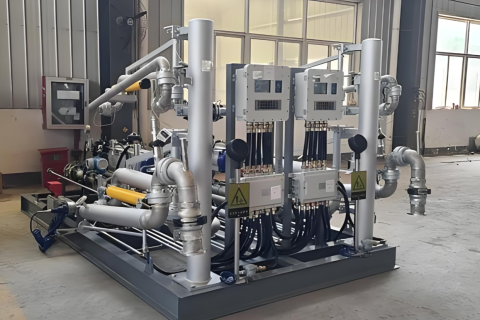
In conclusion, skid modules are the cornerstone of efficient and streamlined industrial plant expansion. By transferring complexity from the field to the factory, they deliver significant benefits in speed, quality, safety, and financial predictability. This modular approach empowers manufacturers to scale their operations agilely and cost-effectively. As a specialist in custom skid-mounted solutions, Shanghai Shenqi Machinery is ideally positioned to partner with industries seeking to minimize downtime and maximize ROI during their growth phases, turning expansion challenges into strategic opportunities.
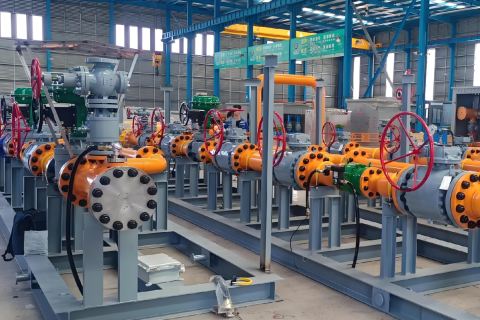
In summary, the safety of a modern pressure reducing station is not reliant on a single device but is achieved through a multi-layered, defense-in-depth strategy. By integrating mechanical redundancy, automated electronic controls, and specific hazard mitigation features, stations like those engineered by Shanghai Shenqi Machinery are designed to ensure the highest levels of protection for personnel, equipment, and the environment.
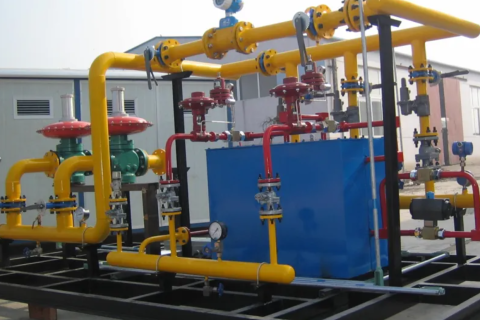
In conclusion, the latest innovations in skid manufacturing—driven by digitalization, smart technology, and advanced materials—are fundamentally elevating their capability, intelligence, and value. These advancements empower companies like Shanghai Shenqi Machinery to deliver smarter, more robust, and more efficient solutions, paving the way for the next generation of industrial process equipment.
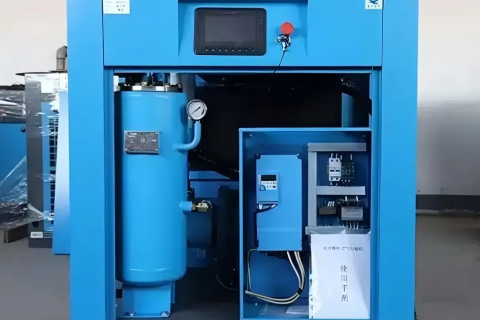
In summary, Shanghai Shenqi Machinery stands out as the optimal choice for skid needs due to a powerful combination of engineering excellence, proven experience, and a unwavering partnership approach. We transform complex process requirements into reliable, high-performance skid modules, ensuring your project's success with quality, precision, and dedication.
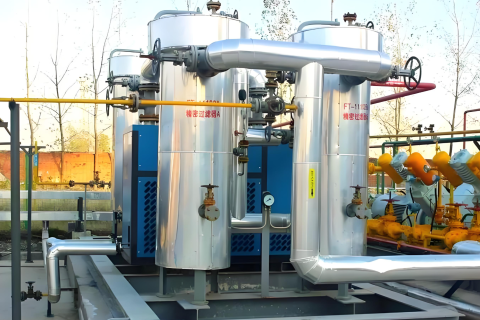
In summary, automation is the cornerstone that transforms conventional skids into intelligent, high-performance assets. By embedding control, data analytics, and connectivity, smart skid modules deliver unprecedented levels of operational efficiency, predictive maintenance, safety, and remote manageability, representing the future of industrial process equipment.
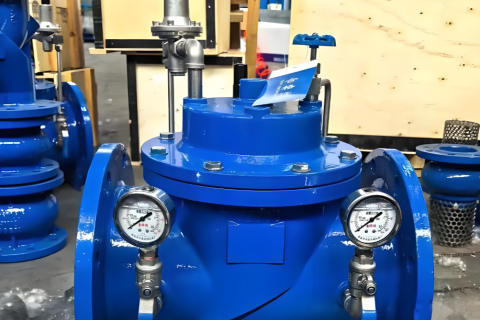
In conclusion, the choice between spring-loaded and dome-loaded pressure regulators is not about one being universally better, but about selecting the right technology for the application. Spring-loaded regulators offer a robust, economical solution for general duties, while dome-loaded regulators provide the high-fidelity control essential for critical, high-accuracy processes.
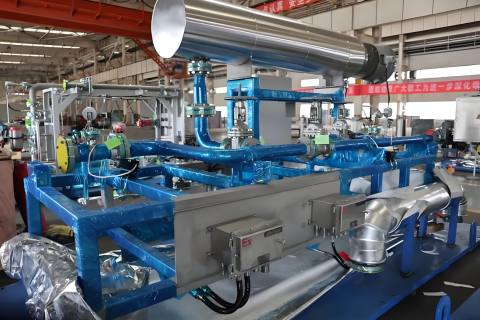
In summary, the integration of skid-mounted pumping systems is a transformative strategy for water treatment plants, delivering unparalleled benefits in project speed, operational control, and lifecycle value. By consolidating complex components into a single, factory-verified package, this approach ensures reliability, efficiency, and seamless integration, making it the modern solution for sustainable water management.
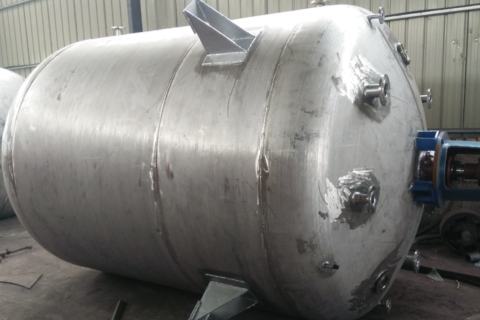
In conclusion, the corrosion resistance of stainless steel pressure vessels is not merely a material property but a system achieved through scientific material selection, precise engineering, and impeccable fabrication. This synergy makes them a vital, durable, and cost-effective solution for countless critical applications across global industries.