

- Home
- >
News
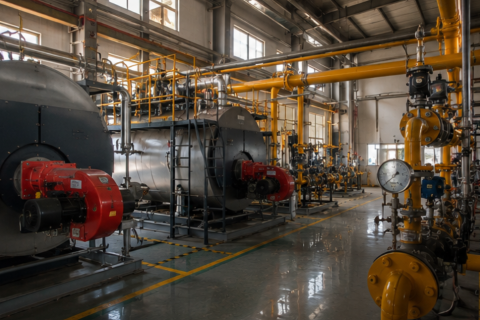
Gas pressure fluctuation in industrial boiler rooms can be caused by unstable upstream supply, incorrect regulator sizing, blocked filters, sudden load changes, poor piping layout, or incomplete safety and monitoring design. The solution should be based on real working conditions and a complete system review. A properly designed gas pressure regulating skid can help stabilize outlet pressure, protect boiler burners, reduce shutdown risk, improve maintenance access, and support safer long-term boiler room operation.
How to Choose Gas Pressure Regulating Skid for International Procurement: SEO/GEO buyer guide with quick answer, RFQ checklist, FAQ, two body images, internal product links and conversion CTA.
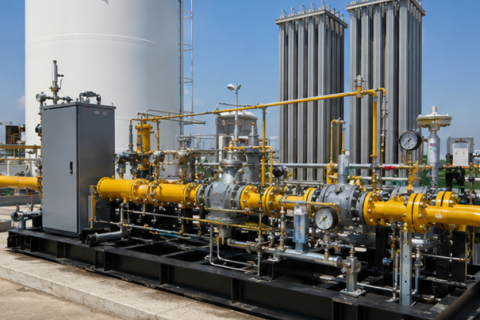
A gas regulating skid for LNG satellite stations should be designed according to vaporized gas pressure, required outlet pressure, gas flow range, downstream user demand, safety protection, outdoor installation conditions, testing standards, and documentation requirements. For industrial users, choosing a reliable LNG satellite station gas regulating skid supplier can help improve gas supply stability, reduce installation risk, protect downstream equipment, and support safe long-term natural gas operation.
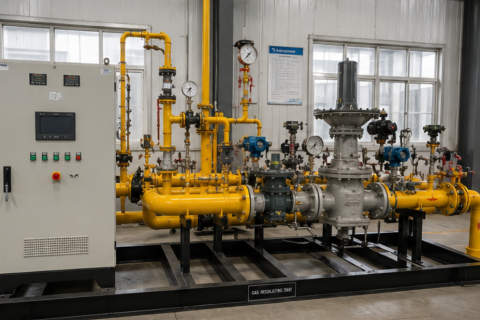
A gas regulating skid quotation for industrial projects should be based on complete working conditions, not only pipe size or a general product name. Buyers should provide gas medium, pressure, flow range, application, safety requirements, control requirements, site layout, testing requirements, and documentation needs. A clear quotation checklist helps reduce technical misunderstanding, avoid missing components, control project risk, and make supplier comparison more reliable. For custom gas regulating skid projects, accurate input data is the first step toward a safe and suitable solution.
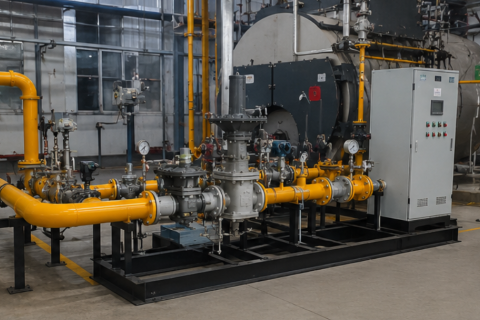
A natural gas pressure regulating skid for factory gas supply systems should be designed according to gas medium, inlet pressure, outlet pressure, flow range, factory equipment demand, safety protection, site layout, control requirements, testing standards, and documentation requirements. For industrial buyers, choosing a qualified natural gas pressure regulating skid supplier can help improve factory gas supply stability, protect downstream equipment, reduce installation risk, and support safe long-term operation.
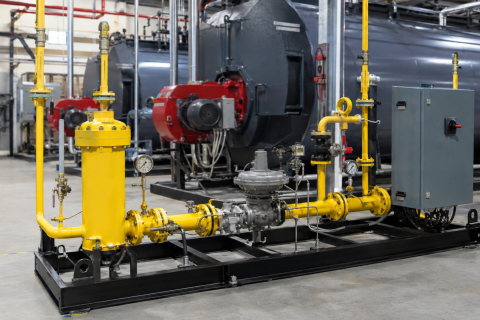
A gas pressure regulating skid for industrial boiler room projects should be designed according to real gas medium, inlet pressure, outlet pressure, flow range, boiler capacity, burner demand, safety protection, site layout, testing standards, and documentation requirements. For project buyers, choosing a qualified gas pressure regulating skid manufacturer can help improve boiler room gas supply stability, reduce site installation risk, protect downstream equipment, and support safe long-term operation.
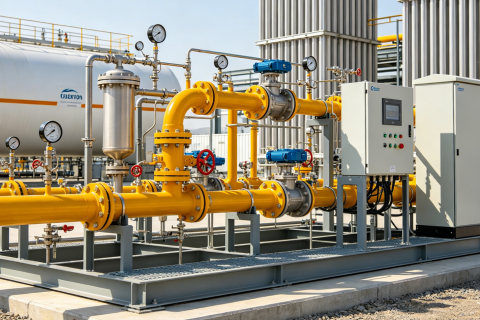
A gas regulating skid for LNG satellite stations should be designed according to vaporized gas pressure, downstream outlet pressure, flow demand, safety protection, control requirements, station layout, testing standards, and documentation requirements. For industrial buyers, a skid-mounted gas regulating system helps improve station reliability, reduce site installation risk, protect downstream users, and support stable natural gas supply after LNG vaporization.
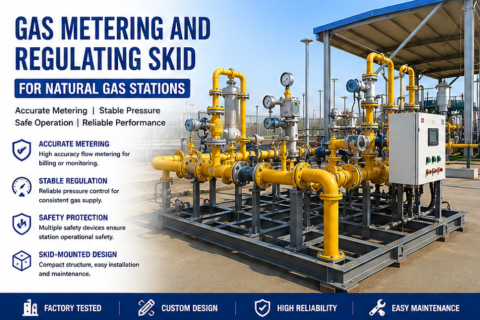
A gas metering and regulating skid for natural gas stations should be designed according to real gas conditions, station flow demand, pressure regulation requirements, metering accuracy, safety logic, control system, and site layout. It is not only a gas regulator package, but a complete station-side gas control and measurement solution. For industrial buyers, the safest approach is to provide complete project data and work with a supplier that can support engineering design, component selection, factory assembly, testing, documentation, and delivery as one integrated skid-mounted system.
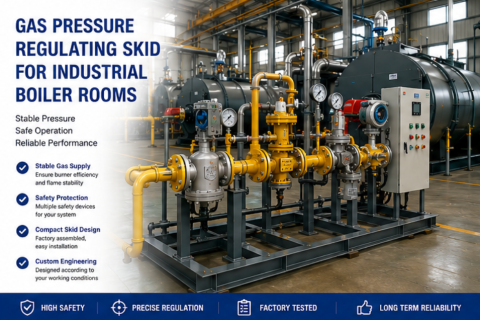
A gas pressure regulating skid for industrial boiler rooms should be selected according to real boiler gas demand, pressure range, flow conditions, safety requirements, control needs, and site layout. A complete skid solution helps stabilize gas pressure, protect the boiler burner system, simplify installation, and reduce operational risk. For industrial buyers, the best approach is to provide complete working conditions and work with a supplier that can design, assemble, test, and document the gas regulating skid as an integrated boiler room solution.
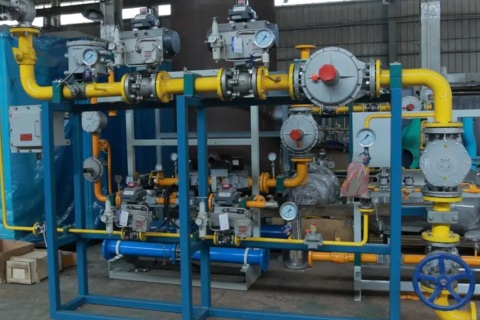
Choosing a gas metering and regulating skid for industrial projects requires a complete review of gas conditions, metering accuracy, regulator design, safety devices, instruments, layout, testing, calibration, and documentation. A reliable skid should not only reduce pressure but also measure gas flow accurately and protect downstream equipment. For buyers, the safest procurement approach is to provide complete working conditions and compare suppliers by system engineering capability, not price alone. A well-designed skid can improve pressure stability, metering reliability, installation efficiency, and long-term operational safety.
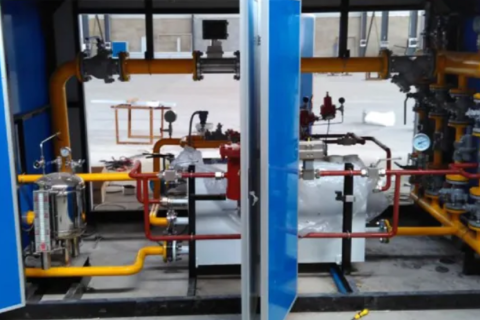
Reducing procurement risk when buying a custom gas skid system starts with clear technical requirements and continues through scope confirmation, drawing review, safety configuration, testing, documentation, and supplier evaluation. A gas skid is not just a collection of pipes and valves. It is an engineered system that must operate safely and reliably under real industrial conditions. Buyers who prepare complete data, review drawings carefully, confirm testing requirements, and compare suppliers by engineering capability can significantly reduce project risk and avoid costly problems after delivery.
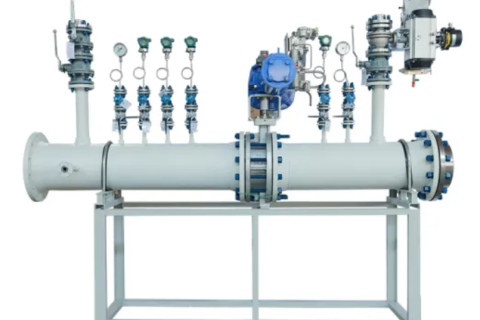
A gas pressure regulating skid should never be evaluated only by regulator size or flow capacity. The safety devices included in the skid are equally important because they determine how the system behaves when conditions become abnormal. At a minimum, most industrial gas pressure regulating skids should include a safety shut-off valve, overpressure protection such as a relief valve or monitor regulator, pressure indication, and filtration. For higher-risk or more automated projects, leak detection, emergency shut-off, alarms, and remote monitoring may also be required.