


- Home
- >
News
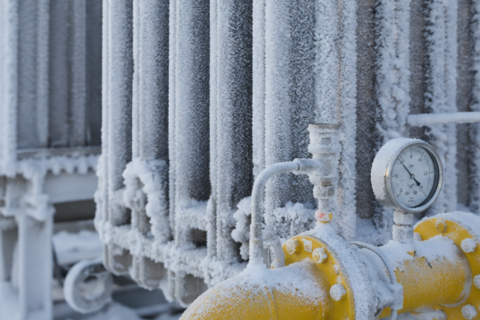
Why LNG Station Gas Supply Becomes Unstable In Cold Weather project guide covering Shenqi gas pressure steam pressure skid module valve commissioning and RFQ checks.
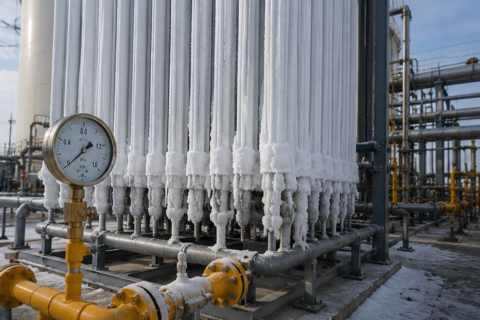
Why LNG Vaporizer Outlet Pressure Drops During Peak Gas Demand project guide covering Shenqi gas pressure steam pressure skid module valve commissioning and RFQ checks.
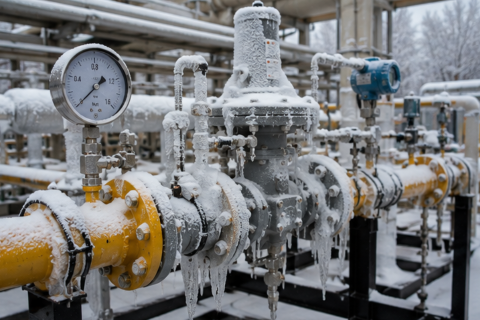
Freeze-up in gas pressure regulating systems is usually caused by moisture, large pressure drop, low gas temperature, cold outdoor environment, poor drainage, blocked filters, or missing heating protection. The solution should not focus on one frozen component only. It should start from gas quality, pressure reduction design, skid layout, heating, insulation, and maintenance planning. A properly designed gas pressure regulating skid can help reduce freeze-up risk, stabilize outlet pressure, protect downstream equipment, improve winter operation reliability, and support safer long-term gas supply.
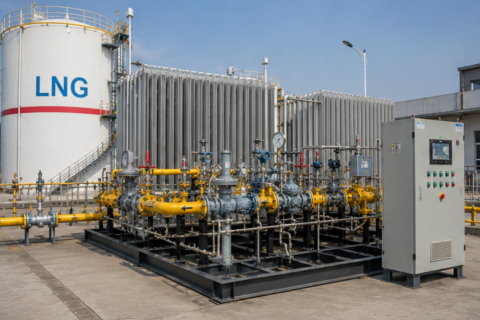
LNG satellite stations may have unstable outlet gas pressure because of vaporizer capacity mismatch, unstable vaporizer outlet conditions, blocked filters, wrong regulator sizing, sudden downstream load changes, pipe pressure loss, or incomplete safety and monitoring design. A properly designed gas regulating skid can help stabilize outlet pressure after LNG vaporization, protect downstream industrial users, reduce shutdown risk, improve monitoring, and support safe long-term station operation.
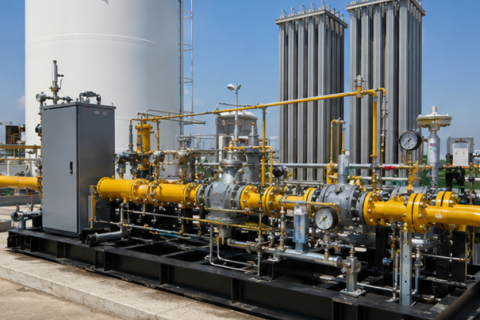
A gas regulating skid for LNG satellite stations should be designed according to vaporized gas pressure, required outlet pressure, gas flow range, downstream user demand, safety protection, outdoor installation conditions, testing standards, and documentation requirements. For industrial users, choosing a reliable LNG satellite station gas regulating skid supplier can help improve gas supply stability, reduce installation risk, protect downstream equipment, and support safe long-term natural gas operation.
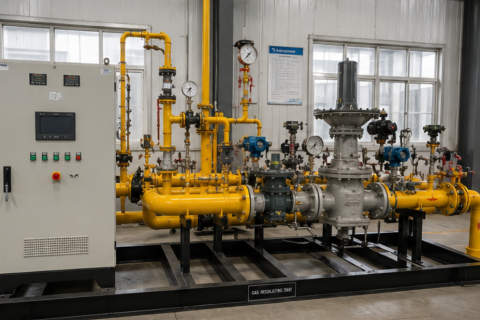
A gas regulating skid quotation for industrial projects should be based on complete working conditions, not only pipe size or a general product name. Buyers should provide gas medium, pressure, flow range, application, safety requirements, control requirements, site layout, testing requirements, and documentation needs. A clear quotation checklist helps reduce technical misunderstanding, avoid missing components, control project risk, and make supplier comparison more reliable. For custom gas regulating skid projects, accurate input data is the first step toward a safe and suitable solution.
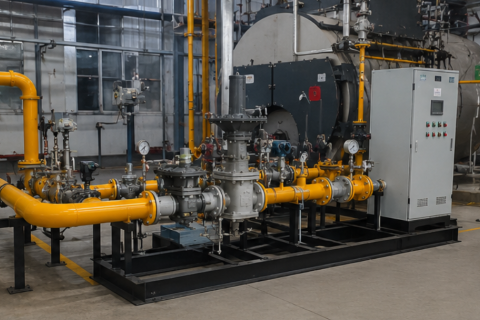
A natural gas pressure regulating skid for factory gas supply systems should be designed according to gas medium, inlet pressure, outlet pressure, flow range, factory equipment demand, safety protection, site layout, control requirements, testing standards, and documentation requirements. For industrial buyers, choosing a qualified natural gas pressure regulating skid supplier can help improve factory gas supply stability, protect downstream equipment, reduce installation risk, and support safe long-term operation.
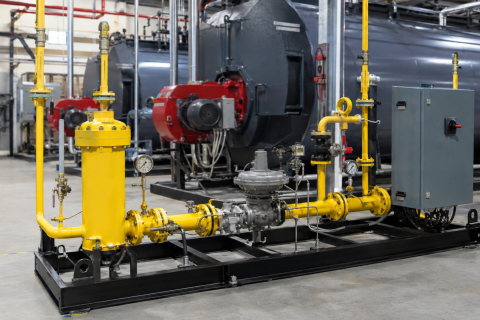
A gas pressure regulating skid for industrial boiler room projects should be designed according to real gas medium, inlet pressure, outlet pressure, flow range, boiler capacity, burner demand, safety protection, site layout, testing standards, and documentation requirements. For project buyers, choosing a qualified gas pressure regulating skid manufacturer can help improve boiler room gas supply stability, reduce site installation risk, protect downstream equipment, and support safe long-term operation.
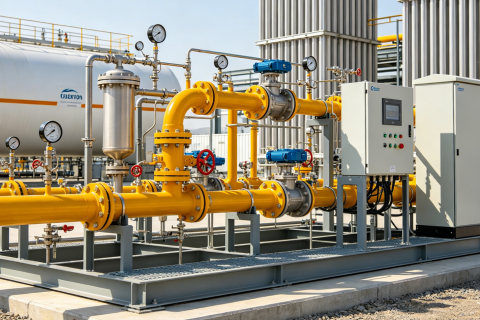
A gas regulating skid for LNG satellite stations should be designed according to vaporized gas pressure, downstream outlet pressure, flow demand, safety protection, control requirements, station layout, testing standards, and documentation requirements. For industrial buyers, a skid-mounted gas regulating system helps improve station reliability, reduce site installation risk, protect downstream users, and support stable natural gas supply after LNG vaporization.
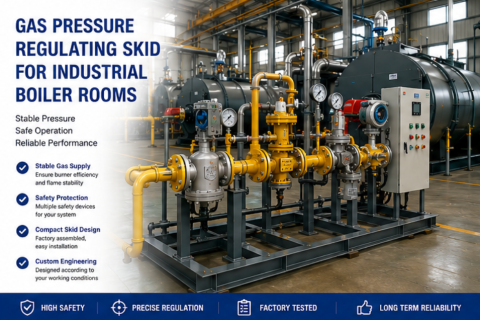
A gas pressure regulating skid for industrial boiler rooms should be selected according to real boiler gas demand, pressure range, flow conditions, safety requirements, control needs, and site layout. A complete skid solution helps stabilize gas pressure, protect the boiler burner system, simplify installation, and reduce operational risk. For industrial buyers, the best approach is to provide complete working conditions and work with a supplier that can design, assemble, test, and document the gas regulating skid as an integrated boiler room solution.
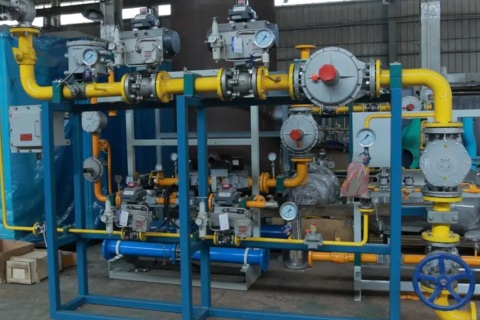
Choosing a gas metering and regulating skid for industrial projects requires a complete review of gas conditions, metering accuracy, regulator design, safety devices, instruments, layout, testing, calibration, and documentation. A reliable skid should not only reduce pressure but also measure gas flow accurately and protect downstream equipment. For buyers, the safest procurement approach is to provide complete working conditions and compare suppliers by system engineering capability, not price alone. A well-designed skid can improve pressure stability, metering reliability, installation efficiency, and long-term operational safety.
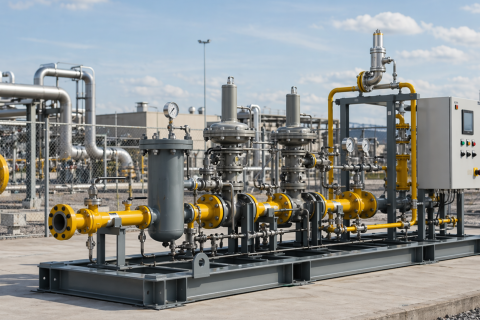
A gas pressure regulating skid specification should be a practical engineering document, not just a simple request for price. It should define the full working condition, equipment scope, design basis, material requirements, instrument needs, safety philosophy, test expectations, and documentation package. When the specification is complete, the supplier can provide a more accurate technical proposal, and the buyer can evaluate quotations more fairly and reduce project risk. For industrial projects, a detailed specification is one of the best ways to improve procurement efficiency, avoid change orders, and ensure that the final skid performs safely and reliably in real operating conditions.