

- Home
- >
News
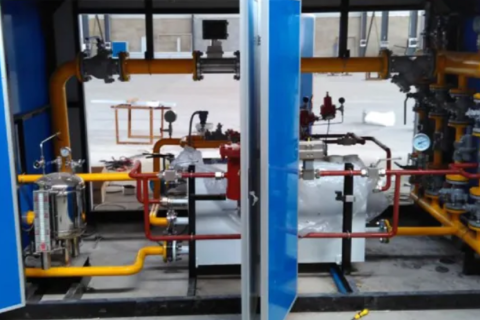
Reducing procurement risk when buying a custom gas skid system starts with clear technical requirements and continues through scope confirmation, drawing review, safety configuration, testing, documentation, and supplier evaluation. A gas skid is not just a collection of pipes and valves. It is an engineered system that must operate safely and reliably under real industrial conditions. Buyers who prepare complete data, review drawings carefully, confirm testing requirements, and compare suppliers by engineering capability can significantly reduce project risk and avoid costly problems after delivery.
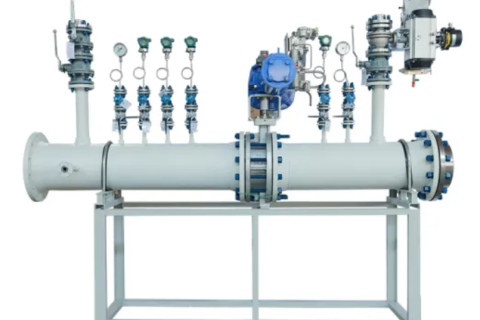
A gas pressure regulating skid should never be evaluated only by regulator size or flow capacity. The safety devices included in the skid are equally important because they determine how the system behaves when conditions become abnormal. At a minimum, most industrial gas pressure regulating skids should include a safety shut-off valve, overpressure protection such as a relief valve or monitor regulator, pressure indication, and filtration. For higher-risk or more automated projects, leak detection, emergency shut-off, alarms, and remote monitoring may also be required.
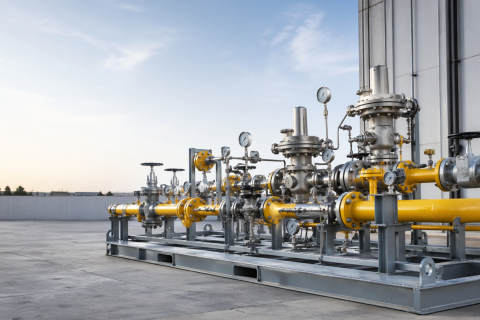
Single-stage and two-stage gas pressure regulation each have clear advantages. Single-stage regulation is compact, economical, and suitable for stable applications with moderate pressure reduction. Two-stage regulation provides better pressure stability, higher outlet accuracy, smoother operation, and stronger reliability for high-pressure or critical industrial projects. The best choice should be based on real working conditions, including inlet pressure, outlet pressure, flow range, pressure ratio, downstream process sensitivity, operating continuity, safety requirements, and maintenance expectations. A professional gas pressure regulating skid should be selected through engineering evaluation, not only by comparing equipment price.
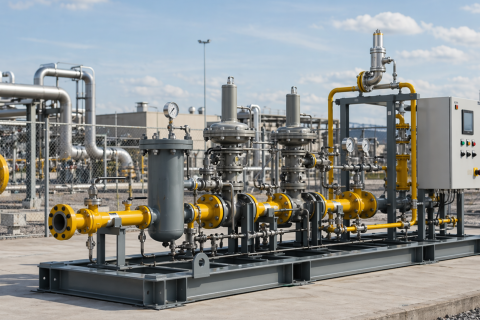
A gas pressure regulating skid specification should be a practical engineering document, not just a simple request for price. It should define the full working condition, equipment scope, design basis, material requirements, instrument needs, safety philosophy, test expectations, and documentation package. When the specification is complete, the supplier can provide a more accurate technical proposal, and the buyer can evaluate quotations more fairly and reduce project risk. For industrial projects, a detailed specification is one of the best ways to improve procurement efficiency, avoid change orders, and ensure that the final skid performs safely and reliably in real operating conditions.
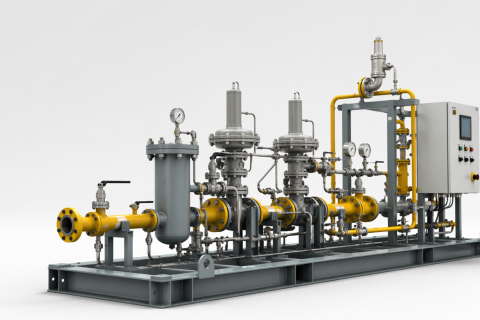
A gas pressure regulating skid is a critical modular system used to control, reduce, filter, monitor, and protect gas flow in industrial projects. Choosing the right skid is not only about price. It directly affects pressure stability, safety performance, installation efficiency, operating reliability, and long-term maintenance cost.
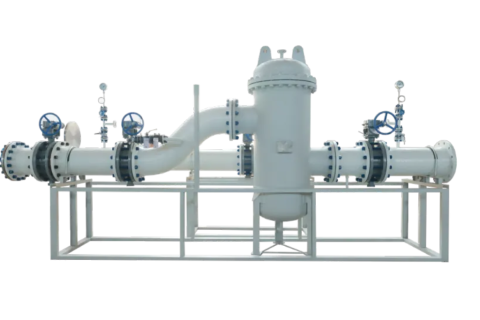
Ordering a custom gas pressure regulating skid is a significant technical and financial commitment. Asking the right questions—structured around process definition, supplier capability, and lifecycle management—is the most effective due diligence you can perform. It separates experienced, systematic manufacturers from mere assemblers. A comprehensive dialogue based on these questions ensures that the final skid is not only technically sound and code-compliant but also delivered on time, within budget, and backed by reliable support. It transforms the procurement process from a risk into a strategic investment in a cornerstone of your plant’s utility infrastructure.
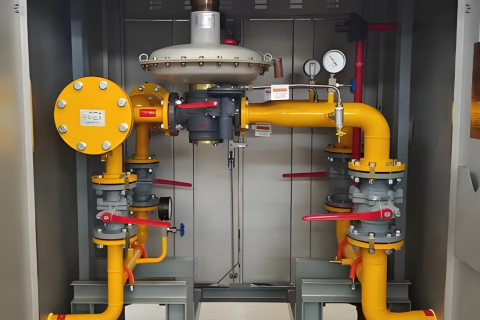
Ordering a gas pressure regulating skid is not only about selecting equipment with the right pressure range. It is about checking whether the skid is correctly designed for the actual gas conditions, whether the materials and safety configuration match the application, and whether testing, documents, and maintenance support are complete. The more clearly these points are reviewed before ordering, the lower the project risk will be later. A well-checked skid usually leads to smoother installation, safer operation, and better long-term value.
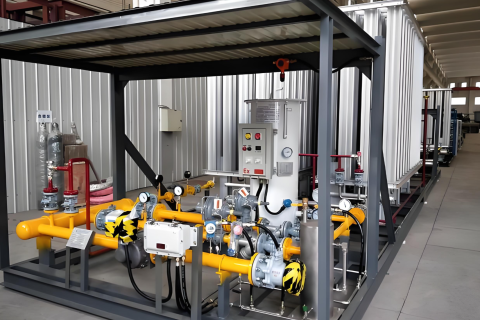
In essence, a Gas Pressure Regulating Skid is far more than a collection of pipes and valves. It is a sophisticated, self-contained pressure management system that embodies precision engineering, integrated safety, and operational readiness. For industries relying on controlled gas supply—from energy and chemicals to manufacturing and beyond—partnering with an experienced manufacturer like Shenqi Machinery for a custom-designed skid is the most reliable, efficient, and intelligent solution for ensuring a safe, stable, and optimized gas supply.
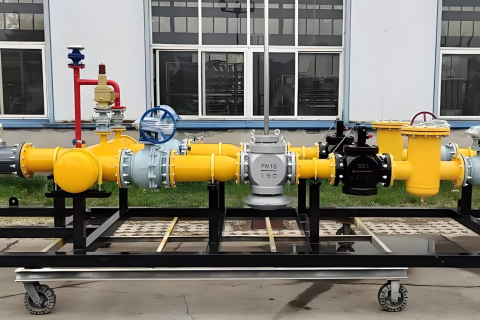
Modular skid designs are revolutionizing offshore wind farm gas supply by combining resilience, smart controls, and adaptability. Shanghai Shenqi Machinery’s expertise in customized skid solutions not only enhances operational reliability but also accelerates the transition to sustainable offshore energy. As wind farms expand into deeper waters, their innovations will play a pivotal role in ensuring safe and efficient fuel management.
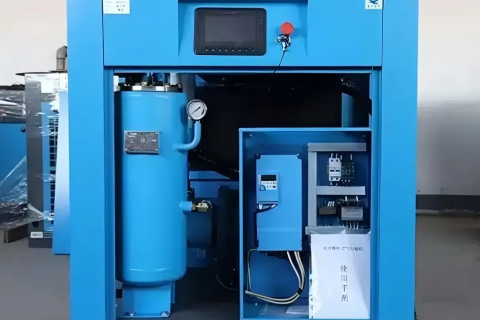
In summary, Shanghai Shenqi Machinery stands out as the optimal choice for skid needs due to a powerful combination of engineering excellence, proven experience, and a unwavering partnership approach. We transform complex process requirements into reliable, high-performance skid modules, ensuring your project's success with quality, precision, and dedication.
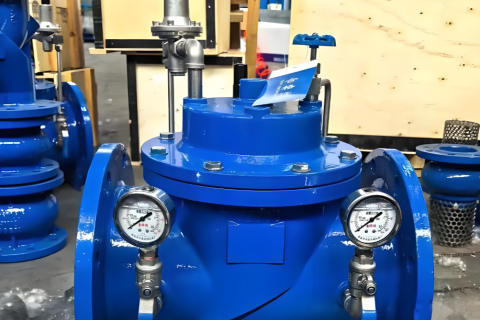
In conclusion, the choice between spring-loaded and dome-loaded pressure regulators is not about one being universally better, but about selecting the right technology for the application. Spring-loaded regulators offer a robust, economical solution for general duties, while dome-loaded regulators provide the high-fidelity control essential for critical, high-accuracy processes.
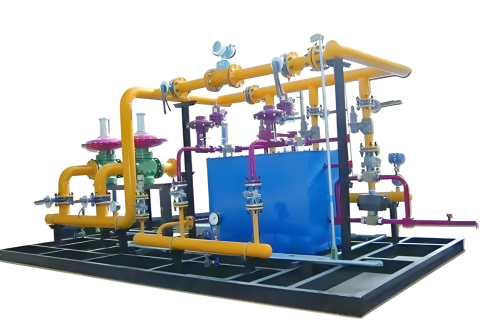
In summary, a Gas Pressure Regulating Skid is an indispensable engineered system that guarantees precise pressure control, operational safety, and process reliability. By integrating high-quality components into a single, pre-tested module, manufacturers like Shanghai Shenqi Machinery provide industries with a turnkey solution that enhances efficiency and protects valuable downstream assets.